Should the UK adopt an under-16s social media ban? Experts weigh in

The social media ban on people under the age of 16 in Australia will come into force on December 10, 2025. Young people’s accounts will be disabled and social media companies will be responsible for enforcing the ban.
In the UK, the government has committed to tackling young people’s internet use through the Online Safety Act rather than banning it outright.
However, children’s device use is often limited. The ban on smartphones in schools and parents’ pledges to delay their children’s use of smartphones has attracted a lot of attention in the UK. These are based on assumptions that smartphone use is addictive, distracting and causes children to perform worse in school.
On the other hand, research suggests that cause and effect may not be so clear. Research has found that banning phones in schools does not significantly increase academic achievement or improve well-being.
We are academics with decades of experience researching young people’s use of digital media. Our ongoing research shows that a complete ban on social media platforms aimed at those under 16 is problematic. Instead of targeting social media platforms, it disregards and punishes the rights and voices of young people.
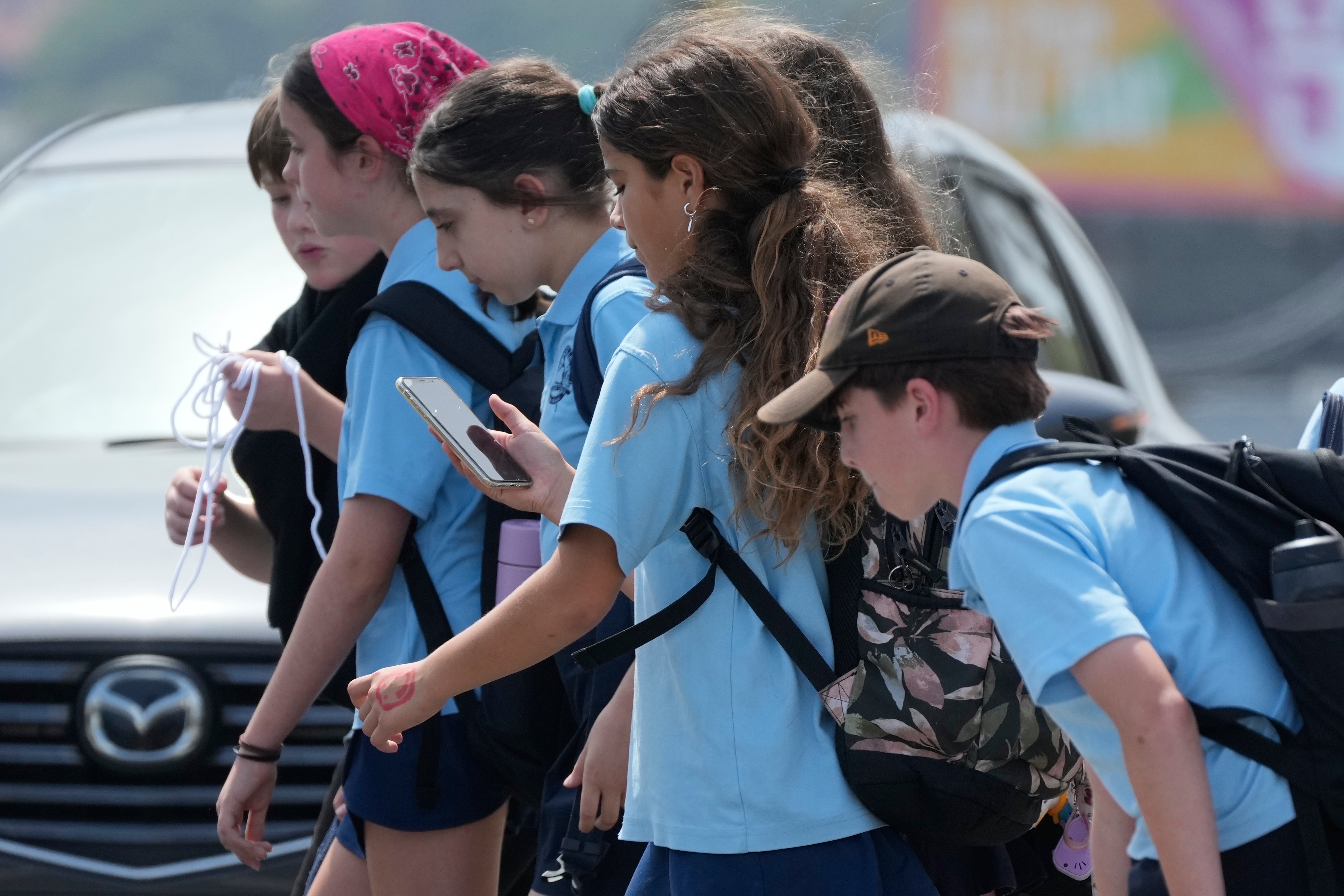
Bans can undermine trust in the lives of young people and adults. Children may be hesitant to tell adults about something harmful that they should not see. This may lead to them having less access to support.
Our ongoing study explores the consequences of banning smartphones in schools in England. Survey data shows that most schools in the UK do not allow phone use at all during the school day.
Previous research by one of us (Jessica Ringrose) explored young people’s experiences with smartphones and social media at school. This research revealed that girls in their schools were being sent nude pictures by boys and were exposed to misogynistic messages emanating from the manosphere.
However, our ongoing work shows that there is widespread opposition among young people to a phone-in-school ban. There’s a generational divide: 75% of teens oppose school phone bans, while most parents (88%) and teachers (87%) support them.
One problem with strict bans in school settings is that they distract from the problems and harm young people may encounter online, including those caused by classmates.
About the authors
Jessica Ringrose is Professor of Gender and Educational Sociology at the UCL Institute of Education.
Rebecca Coleman is Professor of Sociology at the University of Bristol.
This article is republished from: Speech It is under Creative Commons license. Read original article.
One of us (Jessica) had previously conducted research on the challenges of tackling digital harm in schools, which found victim support in schools was lacking and young people were afraid to report online abuse. “No phone” policies may cause this to continue. When teens know they shouldn’t pull out their phones, they may be hesitant to show teachers something online that upsets them.
For parents too, phone bans can be a way to de-escalate an issue they may feel ill-equipped or unsupported to deal with. Interviews with mothers in the US who vowed to delay giving smartphones to teenagers revealed this uncertainty.
Smartphone avoidance strategies delayed the need to engage in other, more subtle forms of parental mediation regarding digital devices. Simply postponing teens’ smartphone use may not alleviate the doubts and fears parents feel about their children’s technology use.
Interviews with parents and caregivers in our ongoing research show that they feel overwhelmed and unsupported when it comes to their children’s smartphone use. “When you’re a busy parent, keeping up with what they’re doing seems like quite a task,” one mother said. “Not enough guidance,” commented another.
What do young people think?
Our ongoing work focuses on listening to what young people have to say about phone bans. It argues that bans lead to young people losing autonomy and agency, and that they seek guidance from adults regarding smartphone and social media use.
This need for support is something research consistently finds young people want. They want to be able to talk to adults and be listened to without being judged.
We do not ignore parents’ or teachers’ concerns or their hopes for a safer future with smartphones. We also do not recommend that students use phones during classes when it is not appropriate. Rather, we argue that it is crucial to listen to young people’s and families’ views on and hopes for technology.
The House of Lords’ research shows there is an urgent need for critical thinking and analytical skills in accessing, evaluating, creating and acting on media for both children and adults. Teachers pointed out major gaps in media literacy education, especially regarding social media and artificial intelligence.
But online harms cannot be reduced without addressing this issue in school. Instead, their responsibility is handed over to parents who feel ill-equipped to handle children’s online lives.
Schools can address children’s experiences and views by focusing on media literacy in both policies and curricula. This may include addressing issues such as artificial intelligence and social media business models, algorithms, misinformation, surveillance, privacy and consent in the use of technology.
It is best if schools and parents can work together to address rapidly changing technology concerns such as artificial intelligence, rather than shifting responsibility back and forth. Parents and families need support to help children navigate issues such as responsible use of social media and artificial intelligence and consent.


