10 Used Premium SUVs That Are Shockingly Cheap to Maintain
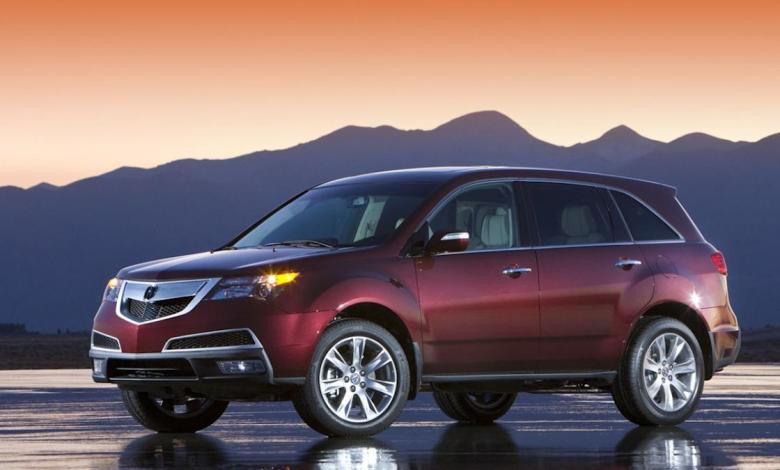
The term premium SUV often brings to mind complex engineering, custom parts and exorbitant dealership service bills. For this article, a premium SUV is defined as a vehicle that offers near-luxury or high-end features and style when new.
When we say one is “surprisingly cheap to maintain,” we mean that its ownership costs are higher than a mainstream economy vehicle, but significantly lower than its European or exotic rivals.
Finding the right used premium SUV means knowing which models offer strong value without hefty repair bills. These ten options are known for providing accessible maintenance and reliable performance.
Lexus RX 350 (Third Generation, 2010–2015)
Image Credit: Lexus.
The RX 350 is the gold standard for blending luxury features with renowned reliability. It offers a smooth ride and a luxurious cabin without the need for overly complex and specialized systems that increase repair costs. Used models are widely available, and clean examples are often listed in the teens to high teens, depending on mileage, condition and location.
Its low cost is due to its engineering: the V6 engine and automatic transmission are shared with many mainstream Toyota products, meaning parts are readily available and mechanical work can be done by almost any trusted mechanic, not just a specialist dealer.
Acura MDX (Second Generation, 2007–2013)

Image Credit: Acura.
When new, the MDX offered excellent performance and an advanced all-wheel drive system that rivaled its German rivals. It features Honda’s powerful 3.7L V6 engine; This engine is considered good for its durability when maintained, but any high mileage example can suffer from wear and age-related problems. This generation is usually found in the low to mid-teens, depending on mileage and condition.
Routine maintenance is moderate for a vehicle of this size, but major repairs are rare. The simple fact that it shares engineering DNA with the Honda Pilot keeps spare parts costs low and avoids big bills associated with bespoke European engineering.
Infiniti FX35/QX70 (2009–2017)

Image Credit: Infinite.
Later renamed the QX70, this crossover stood out for its unique, sporty styling and driver involvement. It uses Nissan’s widely used VQ-series V6 (VQ35HR in the FX35 years); This is a proven design that has been in Nissan’s product range for years and makes maintenance significantly easier. This model has gained a strong following among enthusiasts with its distinctive design and proven powertrain.
Its mechanical durability means that even high-mileage versions can be found at relatively accessible prices for a premium crossover; however, the VQ engine is generally reliable, although age/maintenance history still matters. This makes maintenance costs higher than mainstream cars, but nowhere near exotic cars.
Porsche Cayenne (First Generation, V8 Models)

Image Credit: Porsche.
First-generation Porsche Cayenne V8 models offer performance and prestige without the excessive ownership costs usually associated with high-end German SUVs, provided buyers start with realistic expectations. While maintenance is more extensive than on Japanese rivals, most routine servicing focuses on standard wear parts such as ignition coils, spark plugs and suspension components rather than exotic or one-off parts. Early V8 models were known to have problems with plastic coolant pipes that could deteriorate over time, but updated metal replacements solve the problem permanently.
Once these known weak points are addressed, the V8 Cayenne engines themselves are generally solid and have high mileage. For customers who want help from a knowledgeable, independent expert rather than relying solely on dealership service, the Cayenne can offer true Porsche performance and all-weather usability at a reasonable maintenance cost for its class, rather than being prohibitively expensive.
Lexus GX 470 / GX 460 (GX 470, 2003–2009)

Image Credit: Lexus.
The GX 470 is based on Toyota’s Land Cruiser Prado (J120) architecture, which is closely related to the 4Runner model of the same period, supporting its exceptional long-term reliability. The 4.7L V8 engine is known to last hundreds of thousands of miles with just basic maintenance; This is the main factor in low operating costs. This generation model has maintained a strong market value and is generally priced higher than many competitors; clean examples are often listed among the youth.
Owners should budget for periodic timing belt service, which is usually performed around 90,000 miles; It’s important work, but nowhere near the cost of a catastrophic engine failure seen in some sophisticated European rivals.
Lincoln Navigator (Third Generation, 2007–2014)

Image Credit:MercurySable99 – Own work, CC BY-SA 4.0/Wiki Commons.
The Navigator offers tremendous comfort and luxury using readily available, affordable truck components for repair. It uses Ford’s 5.4L three-valve Triton V8, which is widely supported but has known problems such as cam phaser noise and spark plug service complications.
This generation has been introduced steadily and is perceived today as a highly competent, value-oriented alternative to high-end European full-size SUVs. Secondhand pricing is very attractive; many versions are often sold at very affordable prices for a full-size luxury SUV.
Volvo XC90 (First Generation, 2003–2014)

Image Credit: Volvo.
The first-generation XC90 was successful in initial sales but later declined, but it gained a cult following for its safety and functional design. Common five-cylinder and six-cylinder engines may be durable, but ownership costs vary widely by year, engine choice and maintenance history. Pre-owned examples offer great value, with pricing that can be very affordable depending on condition and year.
It is important to note that the unusual V8 model and the first six-cylinder engines with internal oil problems require further inspection. Sticking to well-maintained examples and avoiding known problem years helps make service costs more predictable, although transmission problems are well documented on first-generation models.
Cadillac Escalade (Third Generation, 2007–2014)

Image Credit:IFCAR – Own work, Public Domain/Wiki Commons.
The Escalade stands out as a well-known premium ride based on GM’s durable full-size truck chassis. Thanks to the same V8 engine and use of most important parts found in the Silverado and Tahoe, average maintenance is required for something this big. While the interior feels luxurious, basic mechanicals are shared with GM’s full-size truck lineup.
The optional Magnetic Ride Control system adds expense as electronically controlled shock absorbers are costly to replace, but the engine setup remains simple and robust. Prices change a lot in the second-hand market; Cars with more mileage sell for just over ten thousand, while better-maintained ones sell for more.
Mercedes-Benz ML 350 (Second Generation, W164)

Image Credit:M 93 – Took his own photo, Attribution/Wiki Commons.
While restoring a Mercedes isn’t generally cheap, the 2006 to 2011 W164 ML 350 tends to be more wallet-friendly. The M272 V6 may last over time, but buyers should be aware of known problems with certain engines, such as oil leaks and premature balance shaft or idler gear wear.
In terms of performance, it keeps up with other European models, while being less tech-heavy than new luxury SUVs but still more sophisticated than most Japanese rivals. Repairs can be more manageable than on later Mercedes models because it eliminates newer complexities. You’ll typically find used ones priced between $8,000 and $16,000.
Still, drivers need to be aware of possible oil cooler gasket drips; This is an expected problem that requires careful fixes, but it is not fatal. Tackling minor glitches early prevents the car from facing major, expensive breakdowns down the road.
Toyota Land Cruiser (200 Series, 2008-2015)

Image Credit: Toyota.
The Toyota Land Cruiser holds a unique place in the world of premium SUVs, offering true luxury along with legendary durability. Although expensive when new, its reputation for reliability and overbuilt engineering makes it surprisingly affordable to maintain compared to similarly sized European luxury SUVs. Under the hood is Toyota’s 5.7-liter V8; This is a naturally aspirated engine known for its longevity rather than cutting-edge complexity.
Despite its superior interior design and advanced all-wheel drive system, the Land Cruiser relies on proven mechanical components shared across Toyota’s global truck lineup. This means parts availability is excellent and long-term ownership costs are much more predictable than competing luxury off-roaders. Routine maintenance and suspension wear are the primary expenses, not catastrophic drivetrain failures.
On the second-hand market, early examples of the 200 series generally represent strong value considering their original price and capacity. For buyers who want true luxury, serious off-road competence, and a platform designed to last hundreds of thousands of miles, the Land Cruiser offers a level of reliability that few premium SUVs at any price can realistically match.
Smart Money in the Second Hand Market

Image Credit: Lexus.
These SUVs can offer a top-notch driving experience without the worst-case ownership costs, especially when they share widely available parts, have predictable service schedules, and have known vulnerabilities that can be inspected in advance. Even the ‘cheaper to maintain’ options here are not economy vehicles, so the smartest purchases are those with documented maintenance histories and evidence that major problems have already been resolved.