Australia unveils stockpile plan for critical minerals

Miners have welcomed the government’s $1.2 billion plan to buy critical minerals to support defense and clean energy technologies.
Antimony, gallium and rare earth metals were announced by Resources Minister Madeleine King as the first elements to be included in the long-promised strategic reserve aimed at countering China’s dominance of high-tech supply chains.
The critical minerals strategic reserve is designed to break Beijing’s grip on supplies of metals needed for defense equipment such as warplanes and clean energy technology.
China, which has difficulties in the supply of many critical minerals and the technologies they produce, has increased its economic power by imposing export restrictions on its competitors in recent years.
Resources Minister Madeleine King said the stockpile would support high-tech manufacturing supply chains and help stabilize critical mineral markets, encouraging miners to invest in production.
The law, which will take effect this year, will give the government the authority to enter into purchase agreements with producers, contracts for difference and other financial instruments such as $185 million for stockpiling selected minerals.
Essentially, the government will enter into purchasing agreements with miners so that revenue is guaranteed even if prices drop.
Miners had previously supported a floor price for critical minerals to provide certainty to the volatile market, following the US government’s agreement with MP Materials to set a minimum price of US$110 per kg for the rare earth elements neodymium and praseodymium.
If prices rise above the agreed level, the government earns a windfall by selling the mines at a higher cost.
“We can encourage more investment, create stability in the market, but at the same time, as prices rise, and we think they will, Australian taxpayers also have an opportunity to see positive outcomes from that price rise,” Ms King said.
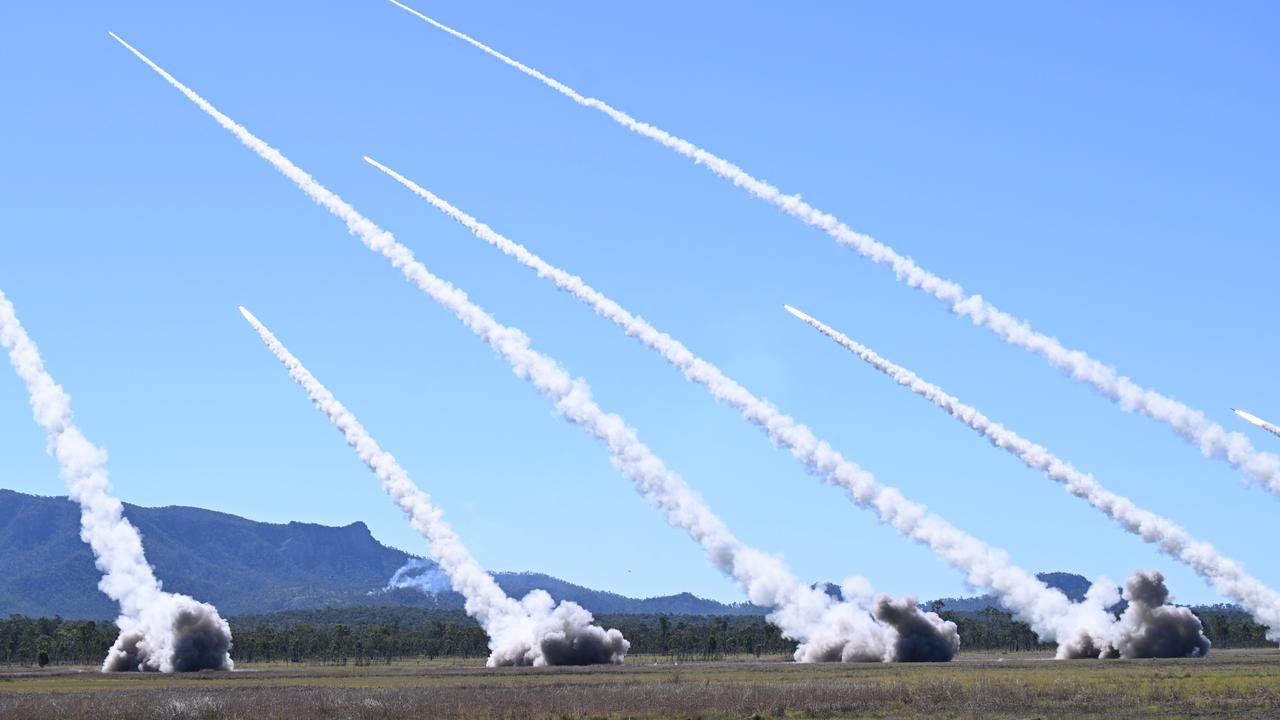
The first minerals added to the stockpile underscore the focus on military and renewable energy technology.
Gallium is used to produce advanced semiconductors, LEDs, solar panels and communications equipment, while antimony is a key component in batteries, night vision equipment, fire retardants and, increasingly, solar panels.
Rare earths are used to make magnets needed for technologies such as fighter jets and MRI machines.
Australia has one of the world’s largest rare earth reserves, and ASX-listed Lynas Rare Earths is the world’s only significant producer of dedicated rare earth materials outside of China.
The announcement coincides with Finance Minister Jim Chalmers’ visit to Washington DC, where he will discuss critical minerals in meetings with finance ministers from G7 countries, as well as India, Mexico and South Korea.
Dr Chalmers said the world needed critical minerals and Australia had plenty of them.
Shares of Lynas were up five percent on Monday afternoon, and fellow rare earths player Arafura was also up 6.8 percent.
Shares in ASX-listed antimony miner Larvotto Resources gained 5.5 per cent.
Managing director Ron Heeks welcomed the announcement, although Larvotto’s mine development near Armidale in NSW was highly affordable due to antimony prices at current levels.
“We see this as a positive for AUKUS and Australia,” he told AAP.
Minerals Council chief executive Tania Constable said the strategic reserve was an important tool in a wider set of productivity reforms that could deliver a more internationally competitive mining industry.
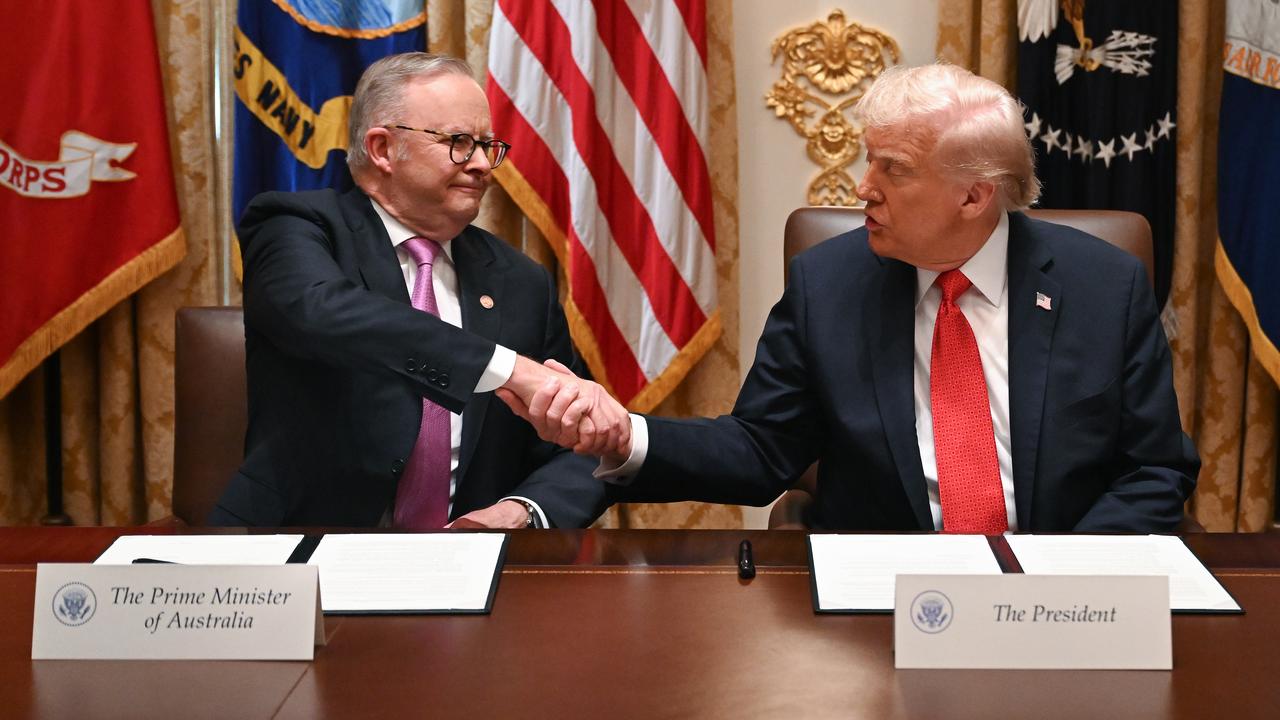
Canberra and Washington have signed a $13 billion rare earths deal in 2025 for a pipeline of projects to expand mining and processing in Australia.
The two countries have pledged to invest at least $1.5 billion to develop critical mineral projects over the next six months.

Australia’s Associated Press is the beating heart of Australian news. AAP is Australia’s only independent national news channel and has been providing accurate, reliable and fast-paced news content to the media industry, government and corporate sector for 85 years. We inform Australia.


