Nearly three-quarters of musicians fear AI will threaten their careers

Almost three-quarters of musicians in the UK believe unregulated generative AI threatens their ability to earn a living, according to a new report calling on the government to intervene.
The research also found that one in three creative jobs are at risk from GenAI, a type of artificial intelligence that can create original content, often trained on creators’ media and intellectual property.
Brave New World? The report suggests that GenAI is causing a “creative jobs crisis,” with GenAI replacing the employment of creators while also using their existing work to train new models.
He added that almost a third of illustrators reported losing commissions or having projects canceled due to GenAI, while 58 percent of photographers were affected. The authors report similar disruptions, with more than half of the jobs disappearing.
Additionally, 99 percent of creators said their work had been “scraped” without permission; This means that the creative output of training AI models increases without permission or fees.
It comes after Sir Keir Starmer announced his ambition for the UK to become a world leader in artificial intelligence. According to the report, the government launched a consultation on its relationship with copyright in 2025, with 95 per cent of respondents supporting licensing as the appropriate way to protect works.
According to the research, without copyright protection, creators risk losing their intellectual property rights and control of their work without receiving any compensation in return. He is calling on the government to change what he claims is a “controversial” approach to artificial intelligence and ensure tech firms cannot churn out creative work for free.
The report warns that without such protection the UK is “on the verge of losing an entire industry” and recommends a new “CLEAR” framework for artificial intelligence.
So: content first; licensing, non-scraping, ethical use of educational data; responsibility; wages and benefits. He said that as the technology evolves, his framework will develop clear rules that respect human creativity.
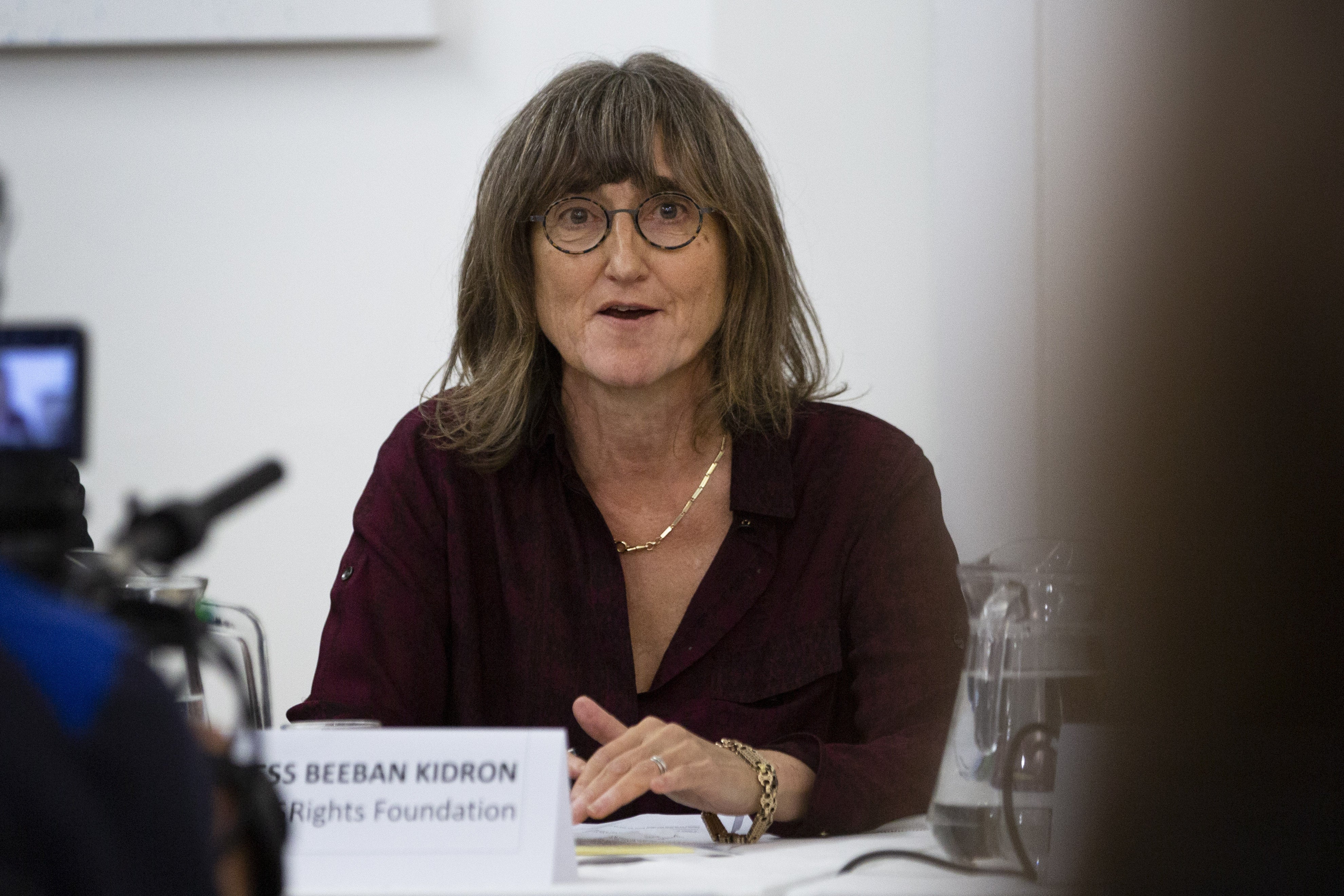
Filmmaker Baroness Beeban Kidron said in the report’s foreword: “This report calls for justice and that framing is crucial. There is no particular pleading here or any blindness to the opportunities inherent in artificial intelligence.”
“What is ostensibly being taken is the private property of UK citizens protected by UK law. It is not the government’s duty to give away. It is unfair to do so.”
He added: “The findings in this report are not just an indictment of policy failure, but a call to action. Creators must not accept controlled denial. They must organize, speak out, and use this report to engage government, media, and other creators to demand justice.”
The report was published in partnership with the Association of Independent Musicians, the Writers’ Association, arts union Equity, the Association of Illustrators and the Association of Photographers.
Rachel Hill, CEO of the Society of Illustrators, added: “The UK’s creative industries are one of our greatest strengths, underpinned by the skill and labor of creatives.
“This report shows how unregulated generative AI is harming that success, with work taken without permission, jobs lost, and creators being forced to compete with systems built on their own intellectual property.
“If the government is serious about supporting creative industries, it must act now to protect the rights of creators and ensure human creativity remains at the heart of our culture and economy.”
In response, a government spokesperson said: “Our work on copyright and AI has always focused on protecting human creativity while ensuring that UK citizens can enjoy the transformational benefits of AI. That’s why we continue to engage with creators to find a solution that will allow them to thrive.”


