50,000 families to gain nothing after two child benefit cap lifted, DWP’s own analysis reveals

Analysis by the Department for Work and Pensions (DWP) has found that around 50,000 low-income families currently affected by the two-child benefit limit will gain nothing when it is removed in April.
The official impact assessment reveals that the benefit cap, a separate policy that limits the total amount a household can receive, will prevent these families from earning more after the change is introduced.
It also adds that a further 20,000 people will see their incomes rise only partially from April due to their income being raised to the cap.
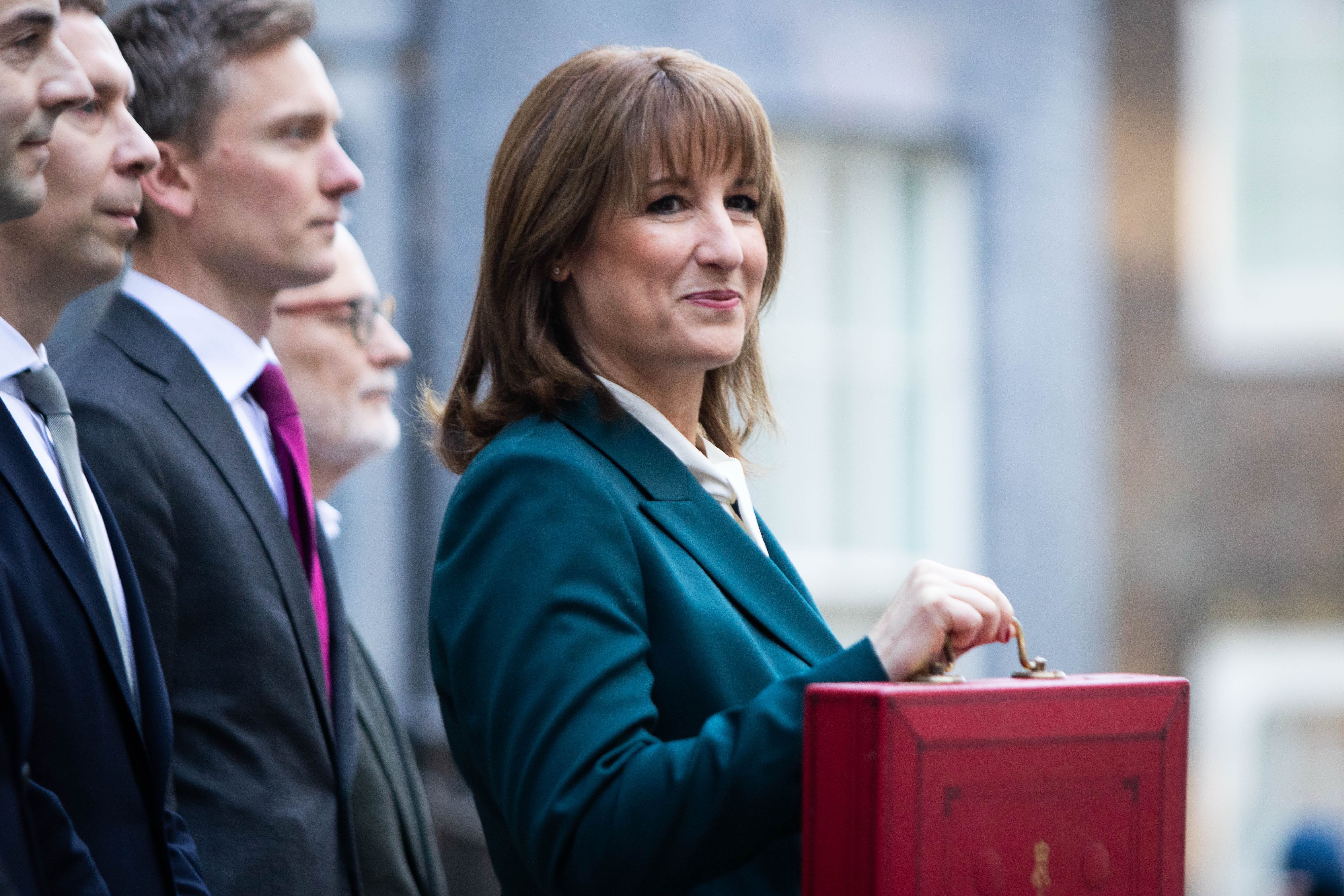
Chancellor Rachel Reeves has announced an end to the two-child limit in last year’s Labor Budget. The move will increase benefits for 560,000 families by an average of £5,310, according to the Office for Budget Responsibility’s (OBR) financial outlook.
The government estimates that this change will reduce the number of children living in poverty by 550,000 by 2030.

Meanwhile, the benefit ceiling will remain frozen in 2026/27, meaning it will not increase in line with inflation in the fourth year.
This level was last increased in 2023, to £1,835 per month or £22,020 per year for most couples or claimants with children. In Greater London the figure is £2,110.25 per month or £25,323 per year.
The government has a legal obligation to review the cap every five years, with the next review due in November 2027. However, this does not prevent ministers from making earlier decisions on this issue.
The official assessment follows the Joseph Rowntree Foundation warning last week that unless further action is taken, 4.2 million children will grow up in poverty by 2029, despite the end of the two-child benefit limit.
Iain Porter, senior policy advisor at the Joseph Rowntree Foundation, said: “It is good news that the Government has begun the process of reducing child poverty and removing the 2-child limit for Universal Credit is undoubtedly a step in the right direction.
“But that alone is not enough.
“Our analysis shows that child poverty will fall sharply in April, but then stall. Around 4 million children will still be in poverty by the end of parliament unless the government takes further action. An immediate and obvious step is to address the damage done by the benefit cap, which is leaving families struggling.”
The policy expert is repeating the charity’s call for a protected minimum floor under Universal Credit to limit how much payments can be reduced through debt cuts or benefit caps.
The foundation also called on the government to consider a ‘basic needs guarantee’ to ensure benefit payment levels are always sufficient to cover people’s living expenses.
A government spokesman said: “Our Child Poverty Strategy will lift 550,000 children out of poverty by 2030 – the largest reduction in a single parliament.
“Removing the two-child limit is just one of the ways we are helping to lift children out of poverty, alongside measures such as extending Free School Meals, increasing the national living wage, cutting energy bills by £150 and launching the £1bn Crisis and Resilience Fund to support families in need.”


