Spain looking at Aussie ban on social media for kids

Spain is planning to ban social media for children under 16 in a bid to protect young people from the harms of online content.
Prime Minister Pedro Sánchez has blasted the world’s biggest tech companies, saying they have allowed child sex abuse and non-consensual sexualized deepfake images to proliferate on their platforms.
Speaking at the World Government Summit in Dubai on Tuesday, he said governments should also “stop turning a blind eye”.
“Today, our children are faced with a space that they were never meant to navigate alone,” Sánchez said.
“We will not accept this anymore”
Spain joins a growing number of countries, including Australia and France, that have introduced or are considering measures to restrict minors’ access to social media.
In January, France passed a bill banning social media for children under 15, paving the way for the measure to come into force in September of the following school year. The bill also envisions banning the use of mobile phones in high schools.
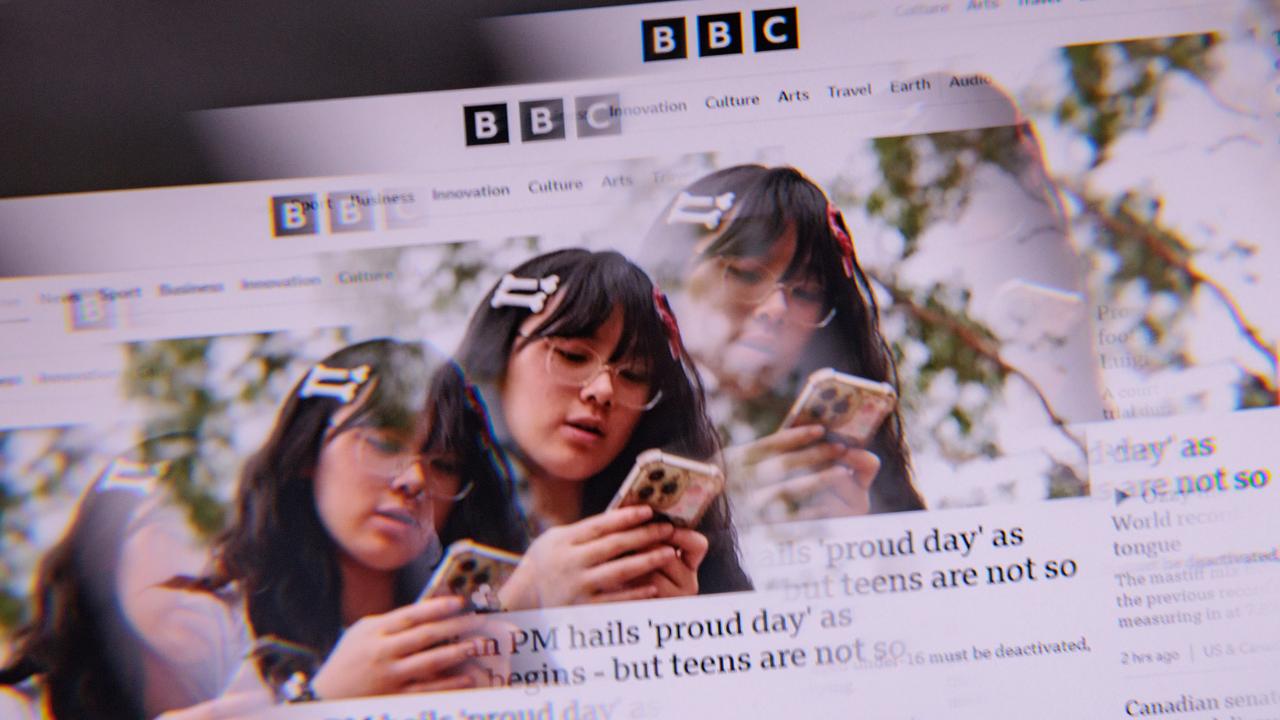
Australia has implemented the world’s first social media ban on under-16s after its government passed a measure holding platforms such as TikTok, Twitch, Facebook, Snapchat, Reddit, X and Instagram responsible for failing to prevent children from having accounts.
Denmark has introduced similar legislation to ban users under 15 from accessing social media, while the UK said last month it would consider banning young teenagers from social media as it tightened laws designed to protect children from harmful content and excessive screen time.
Sánchez said Spain would require social media companies to enforce the ban with age verification systems — not just checkboxes, but actual barriers that work.
Many social media apps require users to be at least 13 years old, although sanctions vary. Users are often asked to provide their age.
A government spokesman said Spain’s ban would be added to an existing measure focused on the digital protection of minors being debated in parliament. Sánchez said this could happen as early as next week.
It is unclear whether Sánchez’s left-wing coalition can win the necessary approval in parliament, where his government lacks a majority.
A spokesman for the far-right Vox party said the Sánchez government’s measure was aimed at “making sure no one criticizes them”, while the main opposition party, the centre-right People’s Party, said it had proposed similar restrictions last year and had apparently offered its support.
Meta and X, the social media companies that own Facebook and Instagram, did not immediately respond to a request for comment.
However, Elon Musk, the billionaire owner of X and the richest man in the world, wrote in his post, “Sánchez is the real fascist totalitarian,” referring to his speech.
Sánchez also said Spain had joined five other European countries in what the Spanish leader called a “coalition of digital bidders” to coordinate the regulation of social media platforms at a multinational level.
In addition, he said Spain would make it a criminal offense to manipulate algorithms to amplify illegal content and hold tech executives accountable for failing to remove criminal content from their platforms.
“There is no longer any need to claim that technology is neutral,” Sánchez said.
Both measures are expected to require parliamentary approval to change Spanish law.
Australia’s Associated Press is the beating heart of Australian news. AAP is Australia’s only independent national news channel and has been providing accurate, reliable and fast-paced news content to the media industry, government and corporate sector for 85 years. We inform Australia.


