The agonising wait disabled people face under Access to Work scheme

People with disabilities are enduring waiting times of more than 100 days on average for applications for crucial support designed to help them secure or maintain employment, a new report reveals.
A leading disability equality charity has condemned the National Audit Office (NAO) findings, describing the public spending watchdog’s report as “revealing the harsh reality for disabled people trying to get into and keep working”.
The NAO report highlights significant “delays and backlogs” in the Access to Work scheme, which has been operating in England, Scotland and Wales since 1994.
This vital program allows applicants with physical or mental health conditions or disabilities to apply for grants that cover practical workplace support, mental health management or communication assistance for job interviews.
According to the NAO, demand for the program has “increased significantly” in recent years. The total number of applications has more than doubled, from 76,100 in 2018/19 to an expected 157,000 in 2024/25.
While the Department for Work and Pensions (DWP), which is responsible for funding and administering the programme, says there is no definitive reason for this increase, it “believes the increase in demand is likely due to an increase in the identification of mental health problems and neurodiversity in society.”
DWP data supports this; It shows the number of people applying for support for mental health or learning conditions rose sharply from 11,200 in 2018/19 (30 per cent of all customers receiving payments) to 37,900 (51 per cent) in 2024/25.

The department also noted an increase in the number of applicants with conditions classified as “other”, which it suggested included neurodivergent individuals.
The average wait time for an application to be processed increased from 66 working days in 2024/25 and 28 working days in 2021/22 to 109 working days in November 2025, well above the department’s 25-day target.
The NAO said the delays had a “negative impact on individuals and employers”.
The report stated: “Four of the organizations we consulted said that application delays and late payments affected the job security of employees, while one noted that in some cases delays resulted in people withdrawing job offers.
“Late payments can also have an impact on employers. Three of the organizations we consulted noted that payment delays lead to cash flow problems, and delays are particularly damaging to small businesses.”
The NAO said the DWP was receiving a “growing number of complaints” from customers, mostly about the time taken to process applications.
The report said the department had increased the number of staff working on the scheme to handle the increasing number of cases and tackle the backlog, leading to an increase in spending on staff administering the scheme from £12.6 million in 2021/22 to £24.4 million in 2024/25.
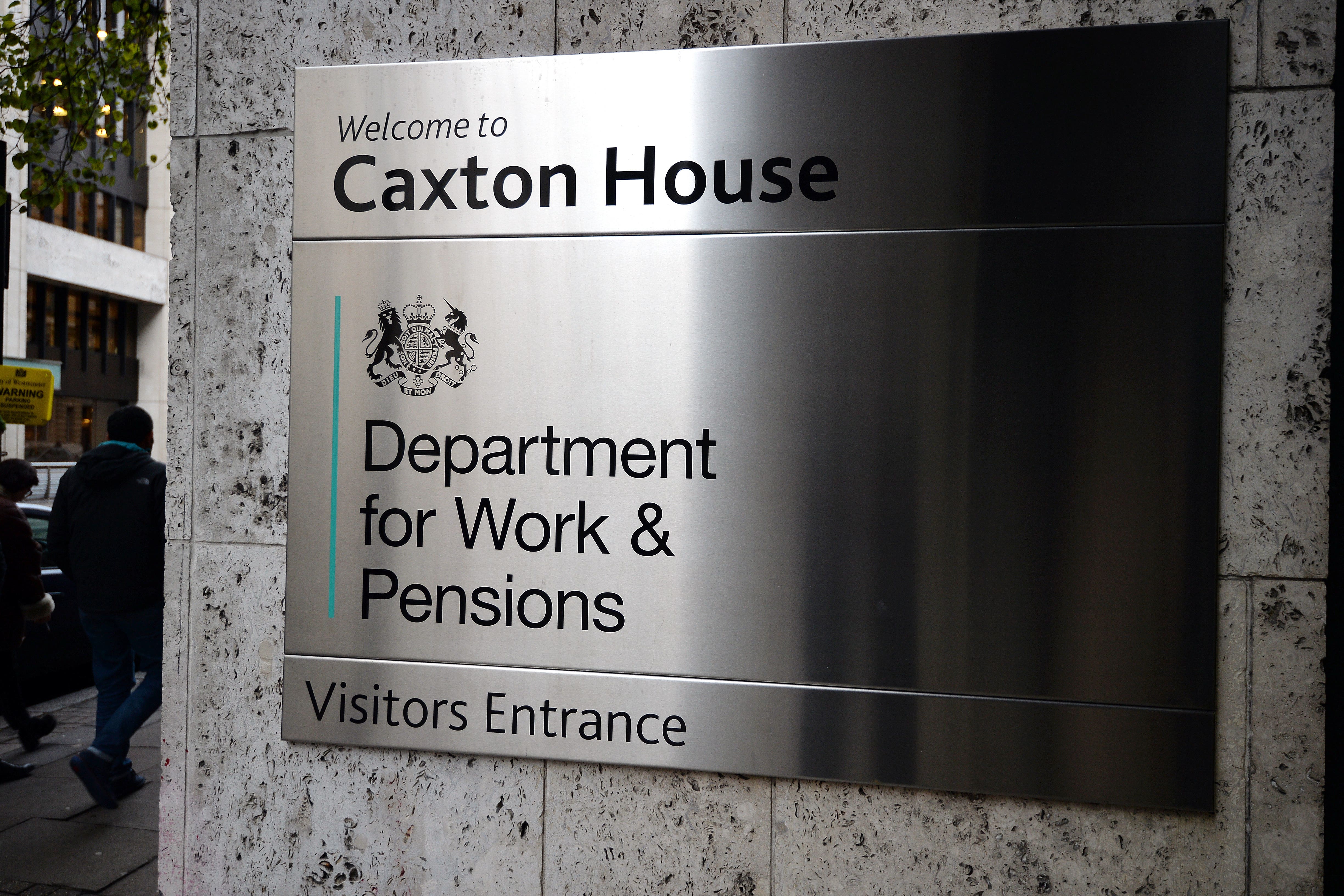
The NAO said the department “does not expect the backlog to reduce significantly in the short term” and is “waiting for the outcome of the Government’s consultation on the future of the scheme before embarking on further improvement plans”.
NAO chief executive Gareth Davies said: “The Access to Work scheme plays a valuable role in helping people with disabilities or long-term health conditions secure and maintain employment, and demand for the scheme has increased significantly.
“Maximizing the value for money of the scheme will require the government to improve the way it manages the current system, tackle backlogs and accurately assess the impact of the scheme.”
Sir Geoffrey Clifton-Brown, chairman of Parliament’s Public Accounts Committee, said the scheme “provides significant value for people who are disabled or have physical or mental health problems to secure or remain in work” but that increases in demand have led to “significant backlogs and delays in processing applications and payments, affecting both employees’ job security and employers’ cash flow”.
He added: “As DWP looks to get the most value from the programme, it must address the data gaps identified, align guidance with the Government’s objectives to support caseworkers and undertake work to ensure productivity targets can be met.”
James Taylor, strategy director at disability equality charity Scope, said: “This report reveals the harsh reality for disabled people trying to get into and keep work.
“Disabled people face constant obstacles, rejection and disappointment, and Scope’s employment services have supported clients who have had to quit their jobs altogether because Access to Work support did not arrive on time.
“Access to Work can be a lifeline, allowing people with disabilities to not only work but also thrive.
“But the Government must urgently address the backlog and properly understand the impact of the scheme on disabled people, employers and the wider economy.”
The DWP has been contacted for comment.


