Bowel cancer patient is first to have life-saving surgery by hospital’s new robot

A bowel cancer patient has become the first person to undergo life-saving surgery using a new multimillion-pound robot at a Kent hospital.
Mandy Lee, from Whitstable, who dismissed her bowel cancer symptoms as stress-related, had part of her bowel removed after doctors discovered a small growth known as a polyp was cancerous.
“It was a bit of a scary thought, I hadn’t even considered the possibility of robotic surgery, but I just wanted the cancer to go away and not be put off,” the 58-year-old said.
Ms Lee said surgeons assured her the robot had been used elsewhere in Europe with good results and was less invasive than other options.
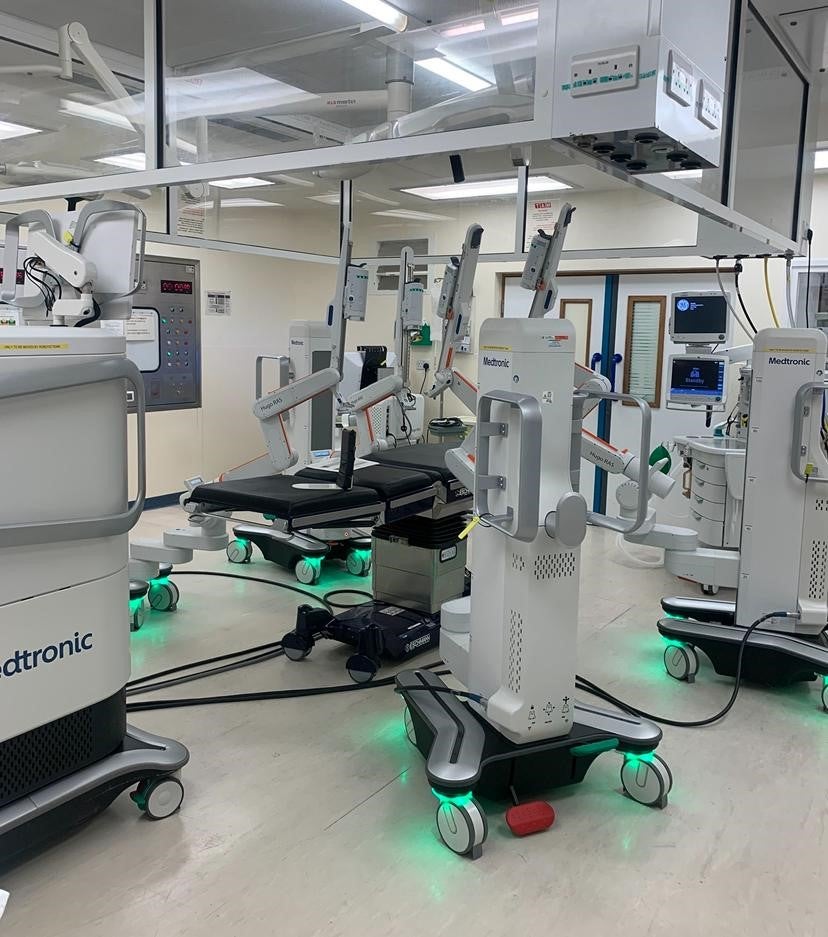
The surgical robot, called Hugo, has been installed at Queen Elizabeth The Queen Mother Hospital in Margate.
The robot has four arms that are operated remotely by the surgeon, who sees the inside of the patient’s body in 3D thanks to a camera on one arm. Others are used for surgical instruments and leave keyhole marks on patients.
The Hugo robot was first used by the NHS at Guys and St Thomas’s Hospital in 2023. Although East Kent Hospitals teams have used Da Vinci robots (surgical systems developed for improved precision and control) at Kent and Canterbury Hospitals for 15 years, this is the first time colorectal robotic surgery has been possible at the Trust.
Retired plasterer Stanley Russell, from Herne Bay, became the second patient to undergo a robotic procedure at the hospital after a routine screening test detected blood in his stool.
The 68-year-old grandfather had to have part of his intestine removed after a polyp turned out to be cancerous.
It was said that surgery using a robot would be “less painful than a more invasive surgery”. After the surgery, the patient said he was “feeling better every day.”
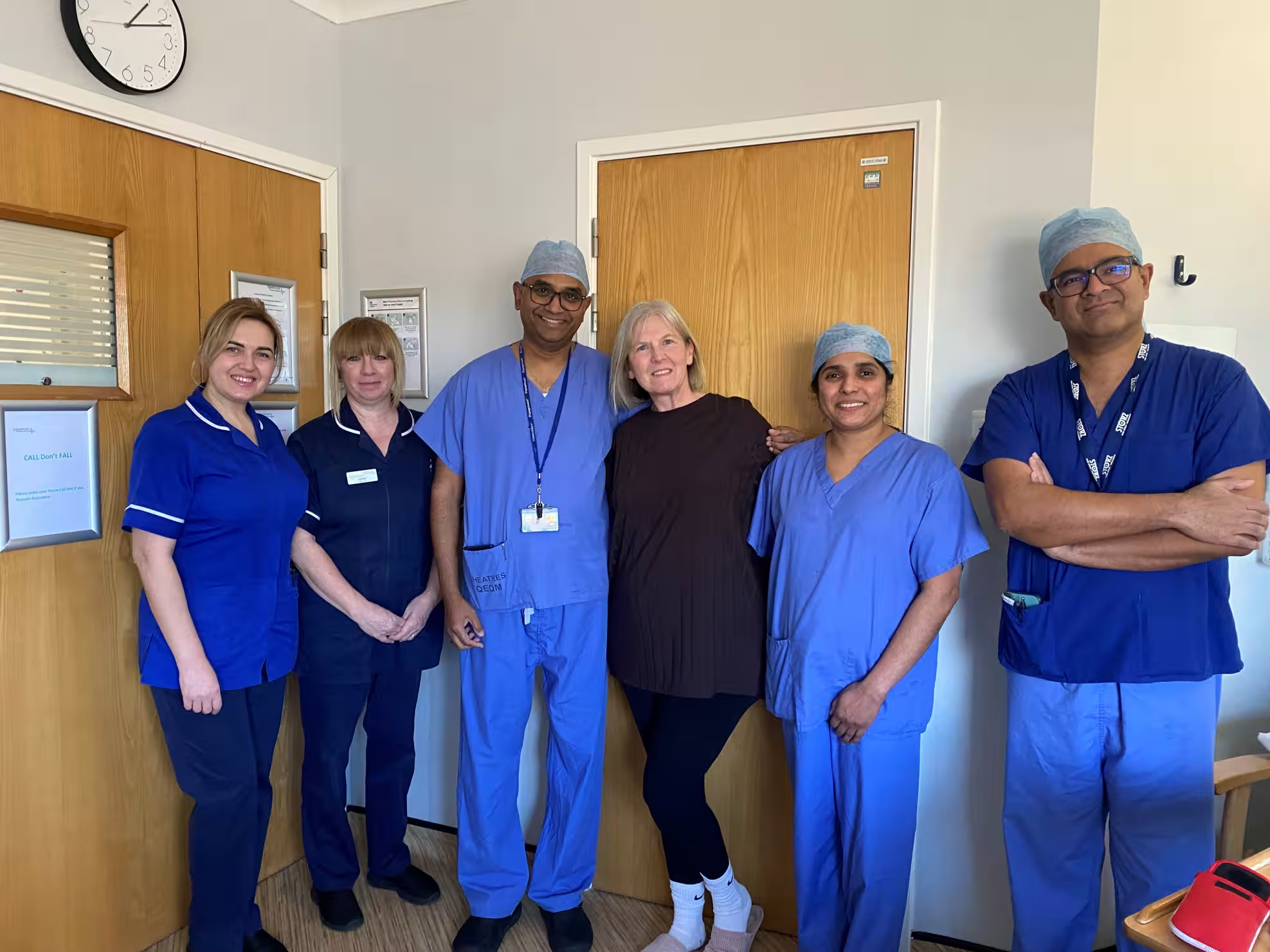
Consultant colorectal and general surgeon Sudhaker Mangam, who led the procedures along with consultant general surgeon Joseph Sebastian, said this was a significant milestone for the team.
He added: “This marks a major advance in surgical capability for East Kent patients, providing greater precision, better outcomes and faster recovery times.
“The introduction of robotics means we can offer people minimally invasive procedures, meaning less pain, shorter hospital stays and a quicker return to normal activities.”
The NHS National Cancer Plan promises to increase the amount of robotic surgery for cancer patients from 70,000 to half a million a year by 2035; This means more patients can benefit from less invasive surgeries and faster recovery times.
Consultant colorectal surgeon Nuha Yassin said robotics could improve precision but could not replace decision-making.
Ms Yassin, who leads the Royal College of Surgeons of England council on the future of surgery, robotics and digital surgery, said: Independent: “Robotic systems can support minimally invasive procedures, providing surgeons with greater precision, improved visualization, and improved dexterity. This can reduce complications, shorten hospital stays, and help patients recover faster.
“The NHS cancer plan sets out ambitions to expand access to robotic surgery, reflecting its potential to support high-quality, minimally invasive treatment for some patients. As adoption increases across the NHS, it is important that innovation is matched by robust evidence, high-quality training and strong clinical governance. Equity of access and consistent national standards will be vital as robotic surgery expands.”


