Starmer to pledge support for poorest homes to help with soaring energy bills amid Middle East crisis

Sir Keir Starmer will announce tens of millions of pounds will be set aside to support the poorest households with soaring energy bills as he seeks to ease the chaos triggered by the crisis in the Middle East.
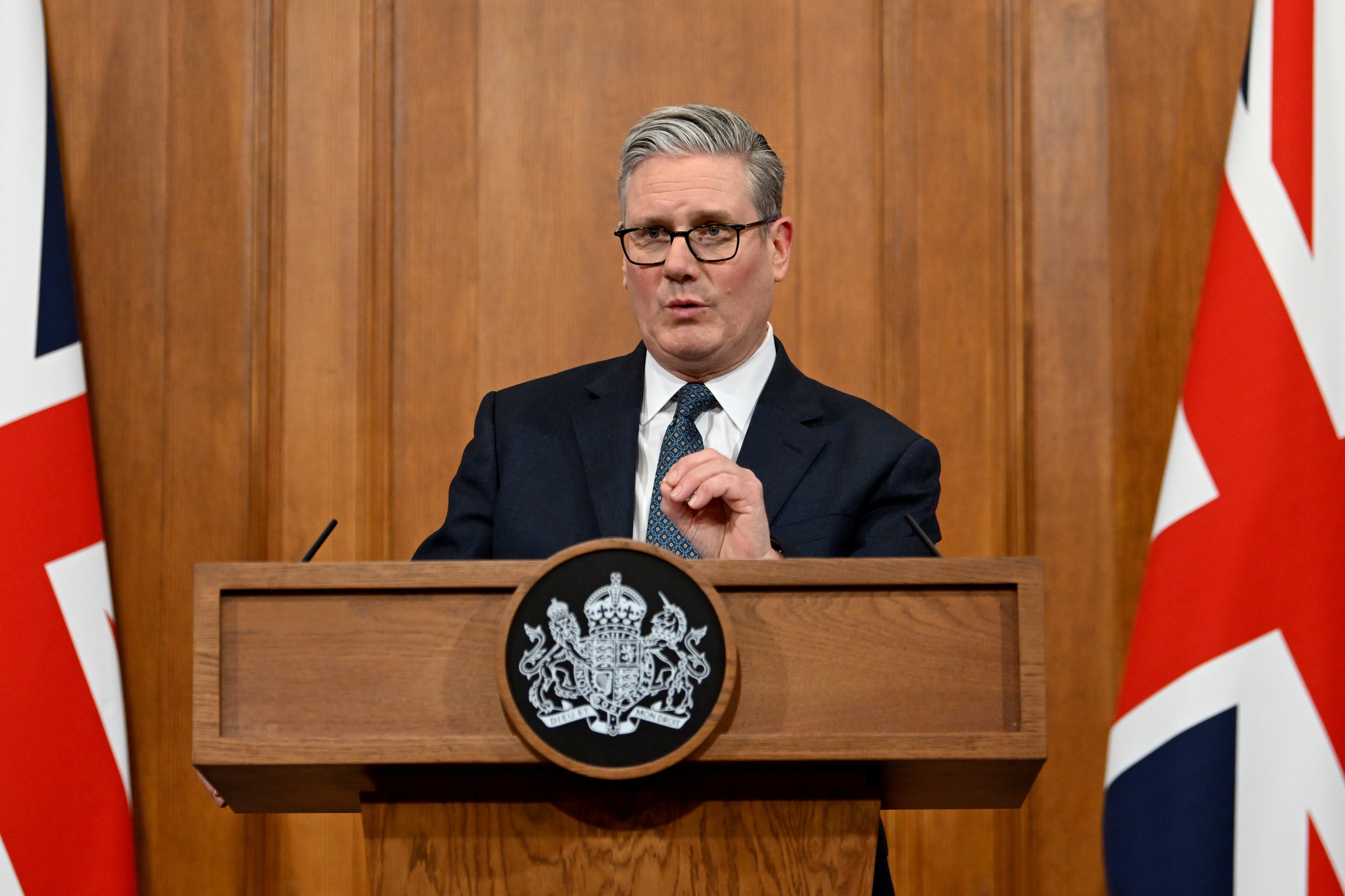
The prime minister, who has vowed to support working people “whatever the challenges ahead”, will hold a press conference on Monday to announce plans to help those dependent on heating oil that are not covered by the energy cap.
This comes after the government opened the door to canceling the planned fuel tax hike in response to the rise in energy prices caused by the US/Israeli war with Iran.
Energy minister Ed Miliband said on Sunday ministers would intervene on the bills if necessary and insisted the government would “stand by people through this crisis”.
Fears of another cost-of-living crisis like the one in 2022 as a result of Russia’s invasion of Ukraine have been compounded by oil prices rising by more than 20 per cent to more than $100 (£76) per barrel and gas prices rising by more than 50 per cent.
Vowing to protect working people in Britain from the effects of conflict, the Prime Minister will say: “Moments like this tell you what a government is all about. My answer is clear: No matter what challenges lie ahead, this government will always support working people.”
“That’s my first instinct, my first priority, is to help you with the cost of getting through this crisis.”
In a departure from the tone adopted so far, the prime minister will threaten legal action against energy companies following allegations that heating oil suppliers are canceling orders and raising prices to take advantage of the crisis.
Addressing these concerns, he will say: “I will not tolerate companies trying to exploit this crisis to make money from employees… If companies have broken the law, legal action will be taken.”
Gas and electricity bills are covered under regulator Ofgem’s price cap fixed until June, but households could face dramatic increases at that point if the conflict continues and Iran maintains its pressure on shipping in the Strait of Hormuz.
Meanwhile, approximately 1.5 million households dependent on heating oil, mostly in rural areas, are already facing rising costs; Since the start of the crisis the price per liter has jumped from around 62p to £1.73.
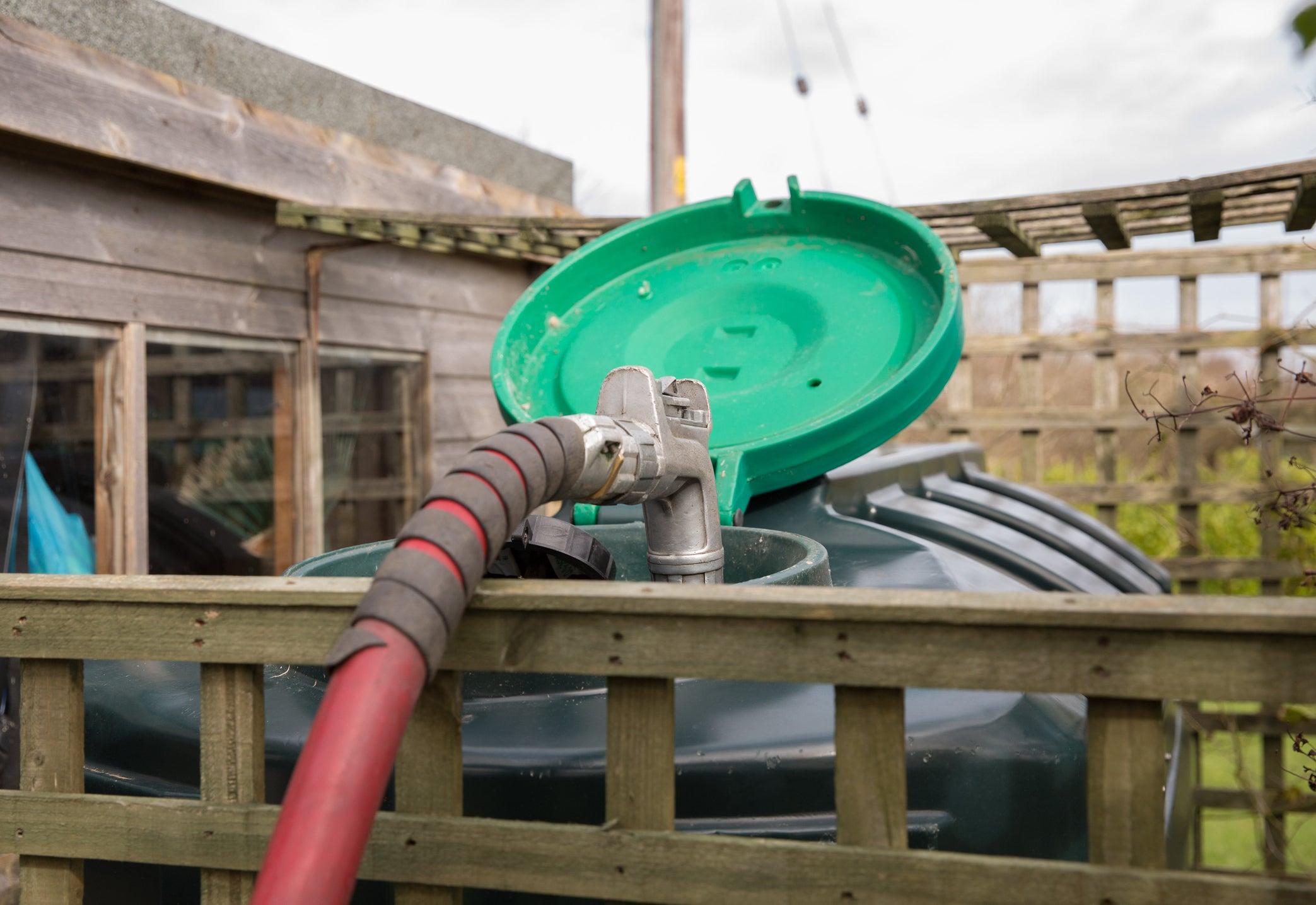
One consumer told the BBC he was quoted £315 for 500 liters of oil, but within two or three days of the dispute the quote rose to £653.
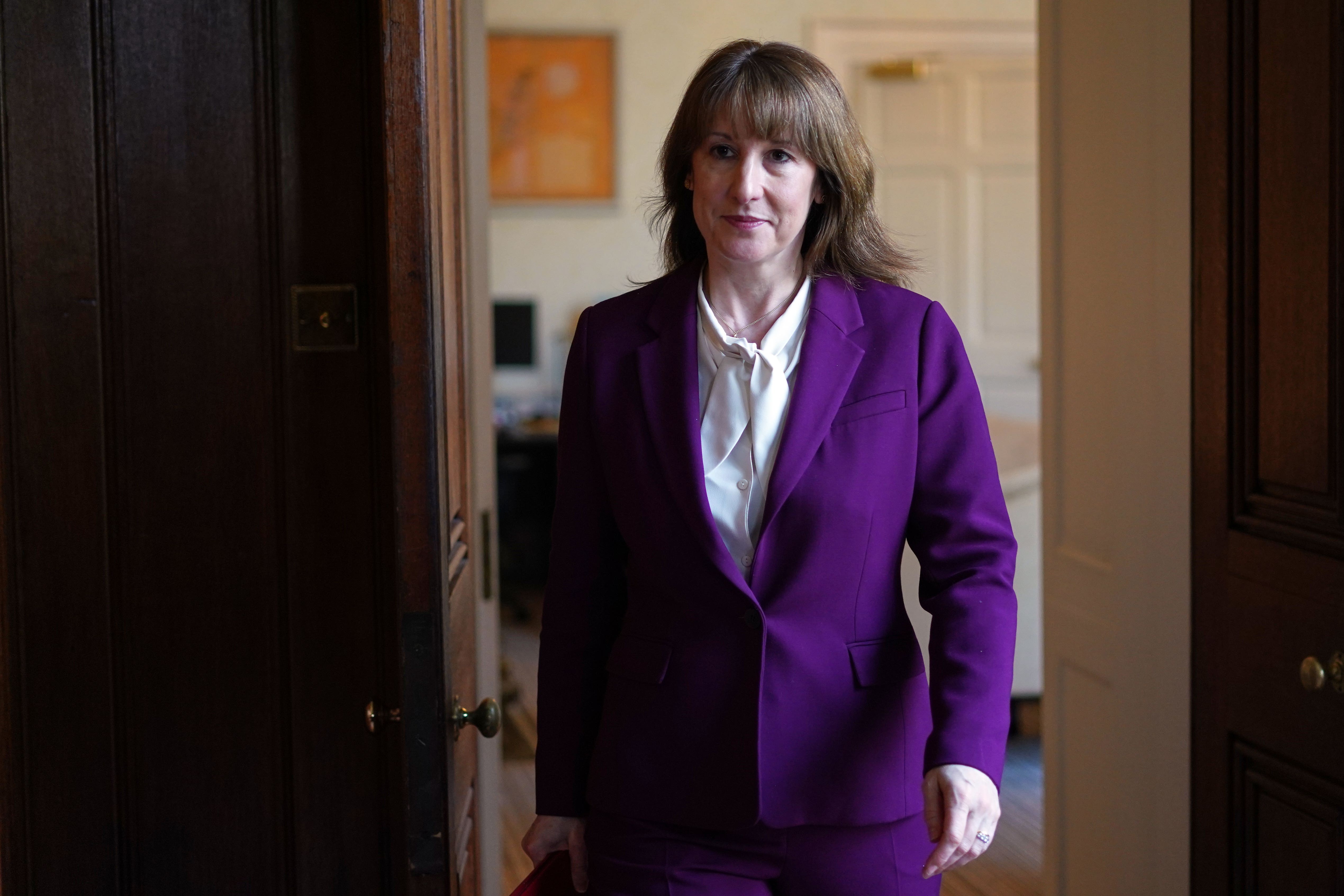
The chancellor is expected to announce full details of the support package for those dependent on heating oil next week. The package is understood to be worth tens of millions of pounds and will include direct payments to vulnerable households. It is not known exactly how many households will receive support.
It comes after the chancellor and energy minister met with fuel suppliers at the weekend to warn them against profiteering from the Iran war.
Ahead of the talks, Rachel Reeves has written to the Competition and Markets Authority (CMA), asking it to remain on “high alert” for “unfair” price rises and insisting it “will not tolerate” companies exploiting uncertainty in the Middle East for financial gain as concerns grow about the impact of war on the cost of living.
It is thought that if prices are still high when the ceiling price is lifted in June, the Treasury will consider other forms of support for those dependent on gas and electricity.
Analysts at Cornwall Insight predict household energy bills could rise 10 per cent from July following sharp rises in wholesale gas prices.
This means Ofgem’s price cap for July to September rises to £1,801 per year for a typical dual-fuel household; that’s an increase of £160, or 10 per cent, from the ceiling in April.
“We have some time and we are working on the Iran intervention board. [a group of Treasury ministers and officials] The Chancellor said there were different approaches we could take, including looking at more targeted options. Times throughout the weekend.
“We’re working through different scenarios at the moment and I don’t want to suggest that we’re going to do something that we know we can’t deliver on. I’m concerned given how high our debt is and the debt we’ve inherited and so I want to look at what the different options available might be.”
Ms Reeves downplayed the prospect of a blanket energy bailout for households, such as that which followed Russia’s invasion of Ukraine, which cost around £35bn over a six-month period.
“Even when there is an economic shock – or especially when there is an economic shock – it is important that you continue to be disciplined about your use of public money,” he said.
The Prime Minister will also insist in his speech on Monday that reducing tensions in the Middle East is the best way to protect household finances, saying: “We will continue to work to find a rapid solution to the situation in the Middle East. Because there is no doubt that ending the war is the fastest way to reduce the cost of living.”


