People were still complaining about potholes 300 years ago

If there’s one thing that annoys many British drivers, it’s potholes. But a recent study found that the problem is not just decades old, but centuries old.
Diarists between the mid-1600s and 1820, including Daniel Defoe and Anne Lister, recorded their experiences of the quality of the roads they traveled.
Academics at the University of Cambridge and the University of California analyzed the diaries of 100 people using mapping software that digitized journeys spanning nearly 350,000 miles. They then applied text analysis and a scoring system to the road descriptions.
The diarists used words such as “disgusting, intolerable, despicable, disgusting, destructive and dangerous” to describe their negative experiences of the roads.
“This is the first study to focus on road user experience,” said Professor Dan Bogart.
“The diaries give us a unique insight into how things changed on the roads, and with this information we can say with much more certainty that the turnpike system significantly improved road travel in the eighteenth century.”
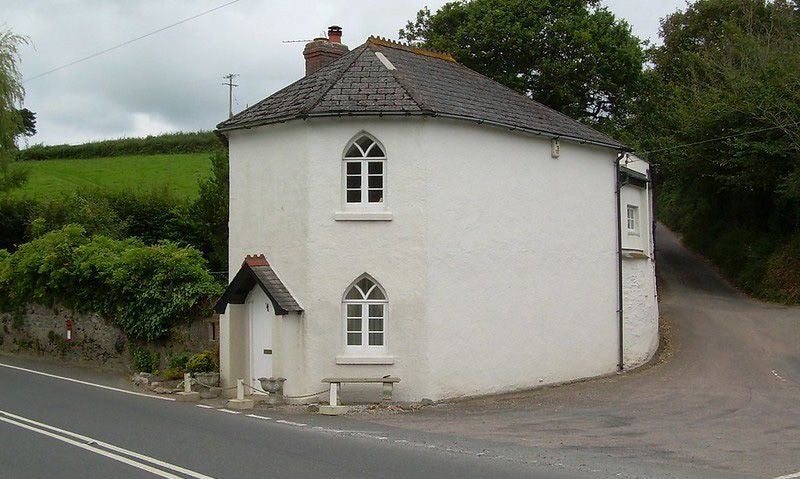
Turnpiking is a fee-funded system for maintaining and improving main roads in England and Wales.
The researchers found that roads were 78 per cent more likely to be rated as ‘at least acceptable’ in the period 1760-1820 than in the period 1660-1759.
Academics think the extent of progress is likely to exceed this, as road users become harder to please as they become accustomed to better roads.
Prof Bogart said: “People often think of railways as the Big Bang for domestic travel and forget about the road improvements that came before.
“But on the eve of the railway age, Britain had the largest toll road network that has ever existed. Approximately a fifth of major roads were tolled. And these toll roads were largely run by local people; community participation was key to their acceptance and ability to spread. This is remarkable.”
One of the most important findings of the research is that road users care about comfort and safety rather than speed.
They argue that the main reason for this was that most diarists took discretionary, shorter journeys in privately owned vehicles rather than the fast, long-distance stagecoaches whose use expanded in the nineteenth century.
Dr Alan Rosevear said: “So far historians have focused on speed as the key indicator of progress, but diarists rarely mentioned speed. They were much more concerned with safety and comfort.”
“People wanted to get to their cousin’s wedding in one piece and completely disheveled because their cars were knocking them around or sending them crashing into the river. Getting there a little faster wasn’t that big of a deal.”
Professor Leigh Shaw-Taylor, who is also a co-author, said: “Improvements brought about by toll roads reduced freight rates, allowing for a major expansion of internal trade and increased regional specialization – key features of the Industrial Revolution.
“At the same time, better roads not only made it possible to travel much faster by stagecoach, but also made it possible to travel 24 hours a day, because it became much safer to travel at night. As a result, Britain benefited from a much greater circulation of people, money and ideas.”


