Campaigners fight to save original Bramley apple tree cottage from private sale

A national campaign has been launched to secure the future of the original Bramley apple tree, a venerable example more than two centuries old, by purchasing the cottage it calls home.
Planted by Mary Ann Brailsford in her parents’ garden in Southwell, Nottinghamshire, between 1809 and 1815, this tree is the ancestor of millions of Bramley saplings grown worldwide.
Bramley Cottages, currently owned by Nottingham Trent University, is now on the market, raising fears that the historic site could be lost to private ownership.
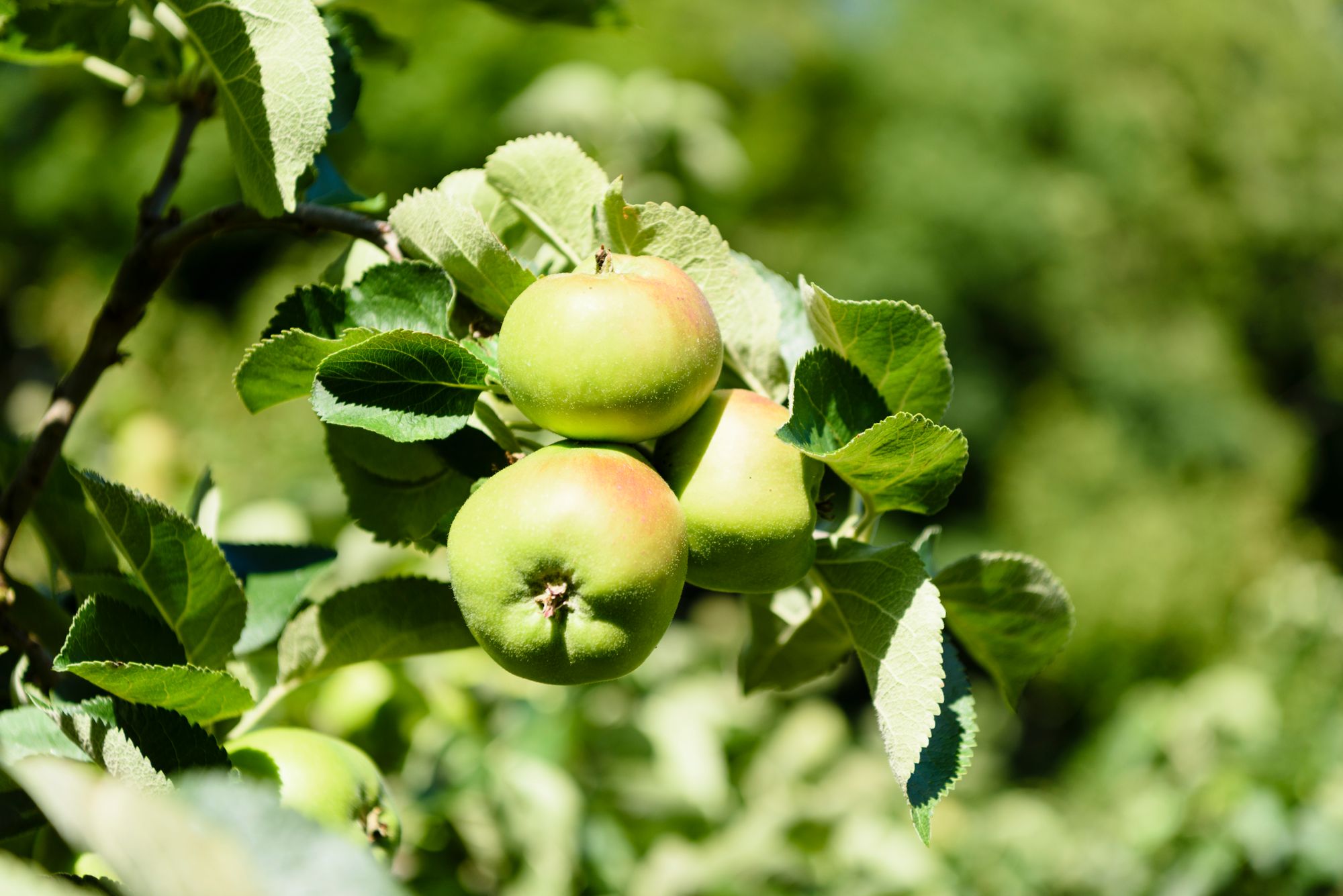
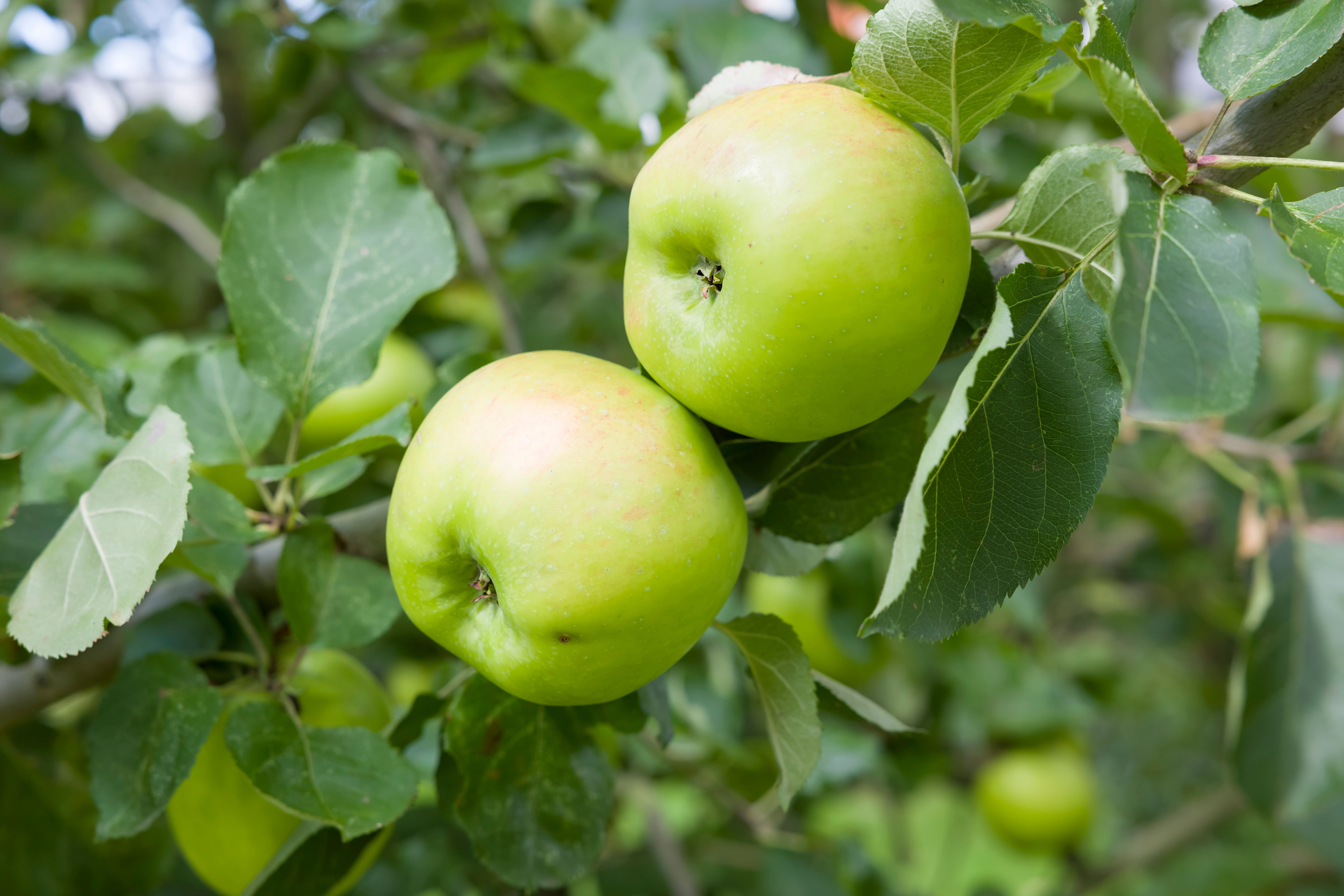
The Bramley apple has since become one of Britain’s favorite culinary delights; More than 300 growers in England contribute to the approximately 83,000 tonnes harvested across the UK each year.
Artist Dan Llywelyn Hall, who recently exhibited paintings of the tree, warned that its loss would be “a great travesty and a national shame”.
Hall, who co-founded the campaign, aims to purchase the cottage, provide public access to the tree and establish it as a heritage site and an educational facility for tourists.
Mr Llywelyn Hall, from Wales, said: “Saving this tree for the nation sends a much wider message about protecting our ancient heritage trees and appreciating them like any other cultural property.
“If we can buy paintings for huge sums of money for museums, why can’t we view these natural wonders as equals and give them due respect, care and dignity?”
The campaign, which is also backed by musician and broadcaster Cerys Matthews, aims to crowdfund £250,000 towards the purchase of the country house, with contributions from a local business.
Almost 50 years after Mrs. Brailsford planted trees in the cottage garden, a 17-year-old boy named Henry Merryweather encountered a gardener carrying some apples and asked where they were grown.
By this time the orchard containing the apple tree belonged to a butcher named Matthew Bramley, who allowed Mr Merryweather to take cuttings of the “Bramley Seedling” before the fruit became a staple in cooking.
Mr Merryweather’s granddaughter, Celia Stevens, said the original Bramley tree was “an important part of the history of the fruit”.
He said: “It would be very special for Southwell, so to speak, to be seen with public interest and commentary after so many years of service.
“It deserves recognition, and this venerable old fruit tree deserves the many accolades it has received over the years.”
Ms Stevens said it was “unique” that a tree affected by honey fungus was “alive and blooming” at this age.
The original Bramley tree was featured as one of 50 Trees of Great Britain at the Queen’s Golden Jubilee in 2002, and was one of 70 ancient trees to be dedicated to the Queen for her Platinum Jubilee in 2022.


