Woman wanted for 22 years over assault arrested in live facial recognition trial

A woman wanted by authorities for more than two decades was captured during a six-month live facial recognition trial in South London.
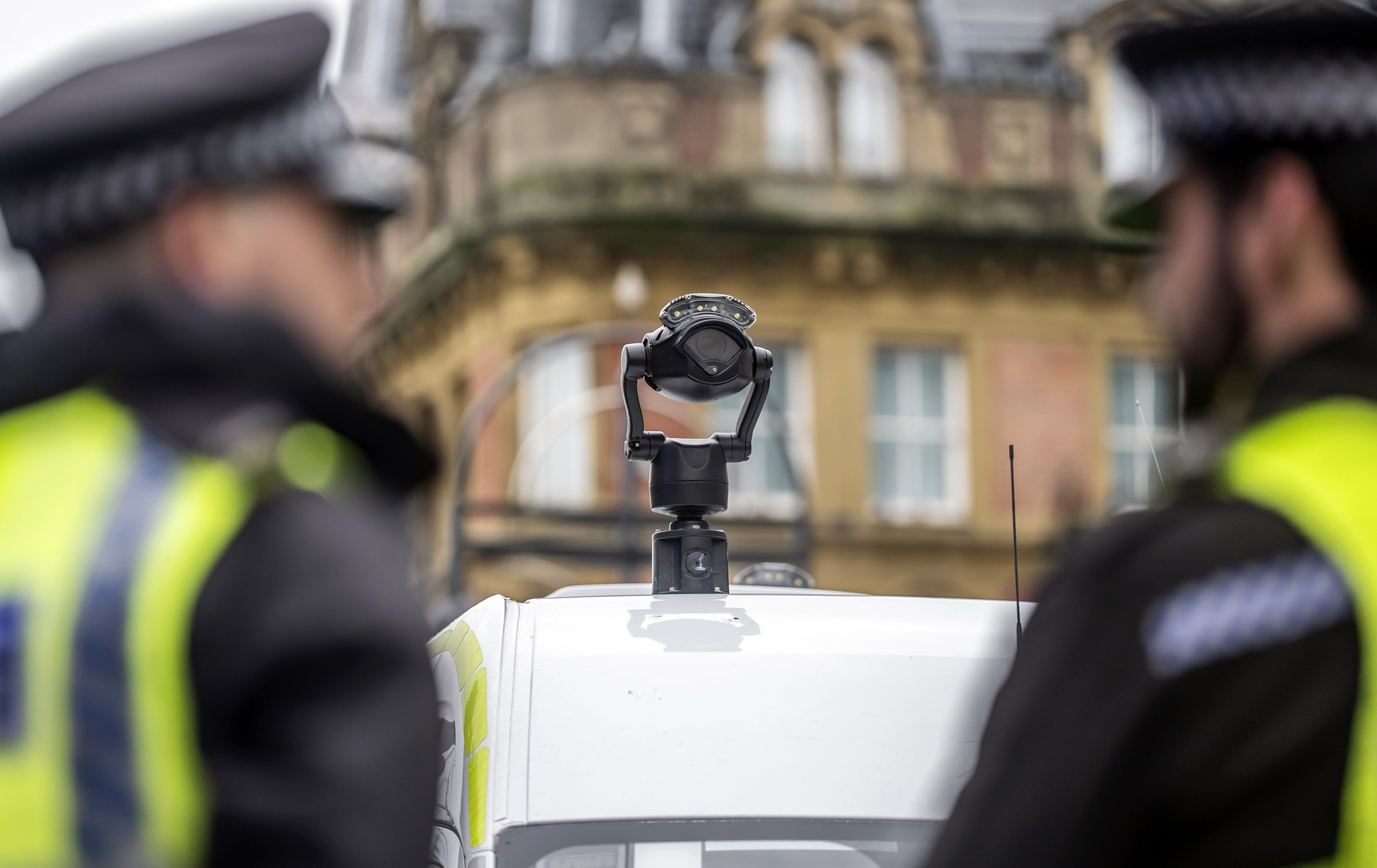
The pilot in Croydon led to the arrest of 173 people for serious offenses including kidnapping, rape and sexual assault; This marks the first time static cameras have been used instead of vans.
The Metropolitan Police reported a 10.5% reduction in local crime as well as a 21% reduction in violence against women and girls during the trial, which ran from October 2025 to March 2026.
Among 24 operations using static cameras on Croydon High Street, a 36-year-old woman was arrested on a warrant for failing to appear in court for a 2004 assault.
A 31-year-old man wanted for more than six months on a voyeurism charge was also arrested, as was a 41-year-old man wanted for rape in Croydon in November.
Lindsey Chiswick, national and Met lead on live facial recognition, said: “These results show why live facial recognition is such a powerful tool when used carefully, clearly and in the right places.
“Crime is down more than 10% in this area and the public can see the difference.
“This technology helps us find people wanted by the courts, quickly identify serious criminals and focus our resources where they will have the biggest impact with extraordinary accuracy.
“We will continue to use static cameras in Croydon as part of our regular live facial recognition deployments, which play a vital role in keeping London safe.”
With more than 470,000 people passing in front of the camera during the pilot, a false alarm was spotted and that person was spoken to by officers and then allowed to leave.
A High Court challenge against the Metropolitan Police’s use of live facial recognition (LFR) technology in London was rejected last month.
Youth worker Shaun Thompson, who was previously misidentified by the system, and Silkie Carlo from campaign group Big Brother Watch led the legal case.
They expressed concern that the LFR could be used in an arbitrary or discriminatory manner across the capital.
Lawyers representing the pair argued in court earlier this year that facial recognition data was “similar to a DNA profile” and warned that the proposed permanent installations would make it “impossible” for Londoners to move freely without their biometric data being routinely captured and processed.
Scotland Yard defended the legal challenge, telling the court in London that the policy was legal.
In their judgment on Tuesday, Judge Holgate and Mrs Justice Farbey said: “In the context of promoting law and order in a major metropolitan area, this policy provides claimants with a sufficient indication of the circumstances in which the LFR will be used and enables them to foresee, to a reasonable degree in the circumstances, the consequences of traveling in an area of London where the LFR is used.”
The judges also said Mr Thompson and Ms Carlo’s human rights had “not been violated”.


