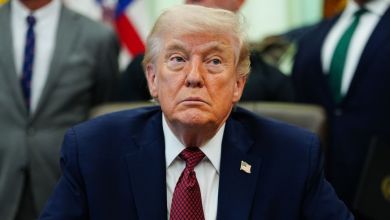
Trump backs down from idea of banks collecting citizenship information

By Nupur Anand and Tatiana Bautzer
May 19 (Reuters) – Non-U.S. citizens will face greater scrutiny over their banking activities following an executive order issued by President Donald Trump on Tuesday, but the order was less sweeping than the Treasury’s previous proposal requiring banks to collect citizenship information on their customers.
The order directs the Treasury secretary to issue an advisory to banks to identify red flags linked to payroll tax evasion, concealment of true account ownership, unregistered wage payments, labor trafficking, and the use of individual taxpayer identification numbers to open accounts or obtain loans without verification of legal presence in the United States.
The White House also said the Treasury and regulators should propose changes to the Bank Secrecy Act to make it easier to obtain information about customers and label consular identification documents as risky. News website Semaphore reported the contents of the executive orders early Tuesday.
Trump had previously announced he would issue an order requiring banks to collect data on their customers’ citizenship or immigration status; Senior industry executives had warned that this directive would be costly and disruptive.
Banks thought it would be too burdensome and nearly impossible to check the immigration status and citizenship of all existing customers, Reuters reported last month.
Trade groups said such an order could lead to the closure of millions of customers’ bank accounts and restrict Americans’ financial access. One executive at a large bank, who wished to remain anonymous, said management has shown that it is listening to him and is open to change.
Ed Mills, Washington policy analyst for Raymond James, said the changes are positive for banks.
“Obviously, the administration wants more control on immigration, but bank regulators have always wanted as many financial transactions as possible to go through traditional financial systems. That would drive many people away from the financial system, which could create a national security risk,” he added.
(Reporting by Nupur Anand and Tatiana Bautzer in New York and Chandni Shah in Bengaluru; Editing by Mark Porter and Lincoln Feast)