Albuquerque says taxpayer-funded guaranteed income program is working

NEWYou can now listen to Fox News articles!
Albuquerque city leaders are touting the controversial results of a taxpayer-funded guaranteed basic income (GBI) pilot program, arguing that direct, monthly cash injections have significantly stabilized struggling households.
Albuquerque City Councilwoman Nichole Rogers at a press conference Friday. highlighted that the city made history by operating one of the few GBI initiatives in the country funded directly by municipal tax revenues. Albuquerque Mayor Tim Keller noted that the vast majority of similar programs in the United States rely heavily on private charitable donations, but Albuquerque is charting a different path. The program was funded entirely through the city’s recreational marijuana tax and distributed through the Marijuana Equity and Community Reinvestment Fund.
Albuquerque is part of a small but aggressive group of municipalities that are placing the burden of guaranteed income on local taxpayers. Austin, Texas, previously made headlines by becoming the first major city in the Lone Star State to raise $1.1 million in taxpayer funding and pledge $500,000 in charitable donations to fund its own pilot program, which has since faced intense challenges at the state level.
SOME BLACK NEW YORKERS ARE JUST DEMANDING CASH PAYMENT AS A ‘REAL FORM OF JUSTICE’
Albuquerque Mayor Tim Keller. (Sam Wasson/Bloomberg via Getty Images)
These local initiatives emerged after Americans in more than 100 cities received localized guaranteed income through private donations and temporary federal American Rescue Plan Act (ARPA) funds. As those federal dollars dried up, mayors of cities like Evanston, Illinois, Newark, New Jersey, and Salem, Massachusetts, pushed to turn these pilots into permanent public policy, as did Illinois’ Cook County, the first local government to establish a permanent, budget-allocated GBI program.
According to local reporting from KRQE News 13, participating families universally expressed a dire need for cash assistance. Mayor Keller defended the program’s “no strings attached” architecture, claiming that traditional government subsidies routinely fail to achieve their goals due to bureaucratic hurdles.
“Instead of telling you what to do with the funding we’re going to give you or demanding all kinds of conditions to make sure you’re the right fit, we say, ‘Here’s some support, you decide what you do with it, because you know best,'” Keller said.
Keller argued that rigid qualification measures and administrative formalities often alienate the highly marginalized communities they were designed to help. There was no basic income requirement to qualify for Albuquerque’s pilot program, but organizers reported that the vast majority of participants earned an annual income of less than $40,000.
Data provided by town hall organizers shows that giving participants absolute freedom over how they spend money results in rapid, measurable increases in financial health. Specifically, household savings increased by an average of 26% across participants, with 18 people successfully advancing to higher credit score tiers. The pilot targeted a specific group of 42 youth, most of whom were single mothers, individuals experiencing homelessness, food insecure or formerly incarcerated youth.
DETROIT MOTHERS RUSH FOR THE ‘NO CONDITIONS’ CASH ASSISTANCE PROGRAM APPLIED SPECIALLY TO NEW MOTHERS
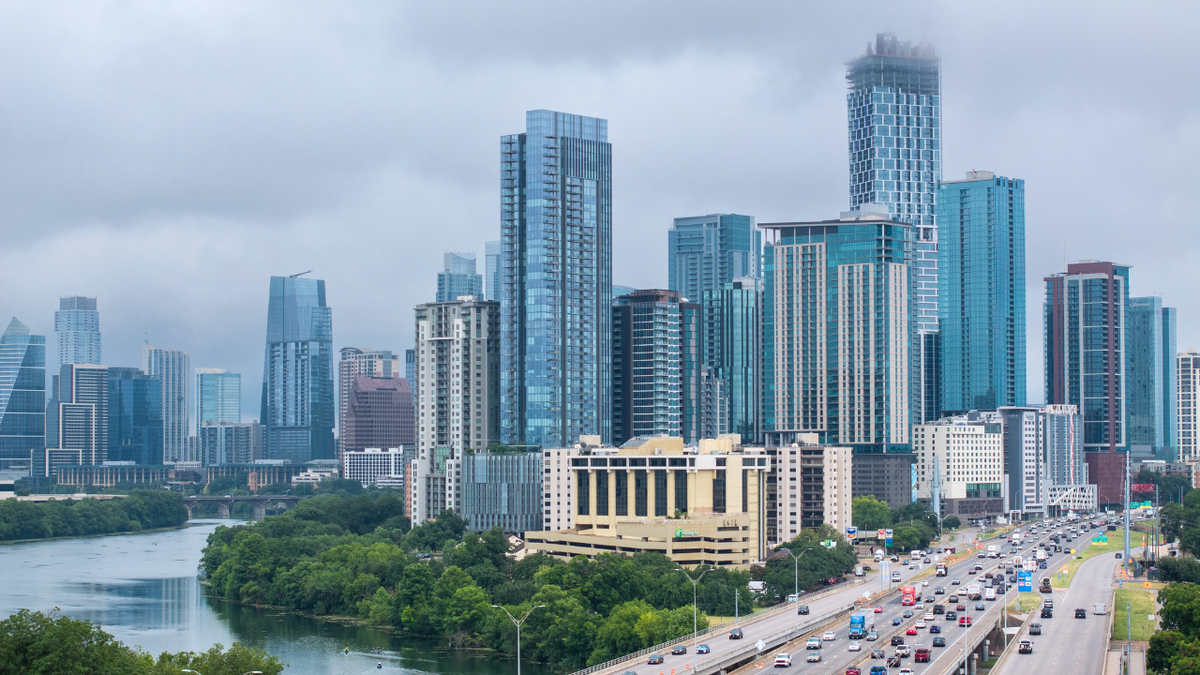
Austin became the first major city in the Lone Star State to fully fund its own guaranteed income pilot program, using $1.1 million in taxpayer funds and $500,000 in charitable donations. (Brandon Bell/Getty Images)
One participant, identified only as Marina, was receiving $750 a month when the program launched a year ago. He noted that the unrestricted funds allow him to directly cover his children’s critical health care, vision and dental care needs, as well as registration fees for youth sports.
Despite local praise, the program faces an uphill battle across the country as conservative lawmakers seek to eliminate the GBI model. Critics and free-market think tanks warn that unearned income programs discourage labor force participation, increase inflation and create long-term taxpayer liabilities.
Moreover, these programs face serious legal obstacles. In Texas, Republican Attorney General Ken Paxton led successful legal challenges to guaranteed income models, arguing that using public tax dollars to distribute cash directly violates state constitutional “gift clauses” that prohibit the redistribution of public funds to individuals without a direct public return. Similar legal bans on GBI programs have gained traction in many red states.
CHICAGO SUBURN LOCALS HOPE RESPECTIONS WILL RELIEVE ‘TOLERABILITY PRESSURE’ WHEN BLACK POPULATION DECREASES

Albuquerque, New Mexico, is using taxpayer funds for a guaranteed income program and recently released an update on its results. (GETTY)
Undaunted by the changing legal landscape, both Rogers and Keller said they plan to secure continued municipal funding to make Albuquerque’s pilot project a permanent feature of city government.
“This is the government’s job to remove barriers and give people hope again,” Rogers said.
Albuquerque officials did not respond to Fox News Digital’s request for additional comment on the program’s long-term financial impact.
CLICK TO REACH THE FOX NEWS APPLICATION