Europe to ramp up defence against Putin’s hypersonic missiles after Ukraine strike

Sir Keir Starmer and the leaders of France and Germany warned of the “urgent need” to increase production of defensive weapons against Russia’s hypersonic Oreshnik missiles after a midnight summit in Downing Street on Sunday.
The leaders, alongside Ukrainian President Volodymyr Zelensky, called on Vladimir Putin to ensure an “immediate and complete ceasefire” and said the “existing line of contact” between the two sides should be the starting point of any negotiations.
Ahead of the talks, President Zelensky vowed that Ukraine “will not die quietly” and warned that his country could continue its latest offensive deep into Russia if the war continues.
The renewed pressure on Russia follows a series of military defeats in recent months.
But in a sign of the continuing devastation of the conflict in Ukraine, the talks took place hours after a drone strike was carried out on a spent nuclear fuel storage facility near the Chernobyl power plant.
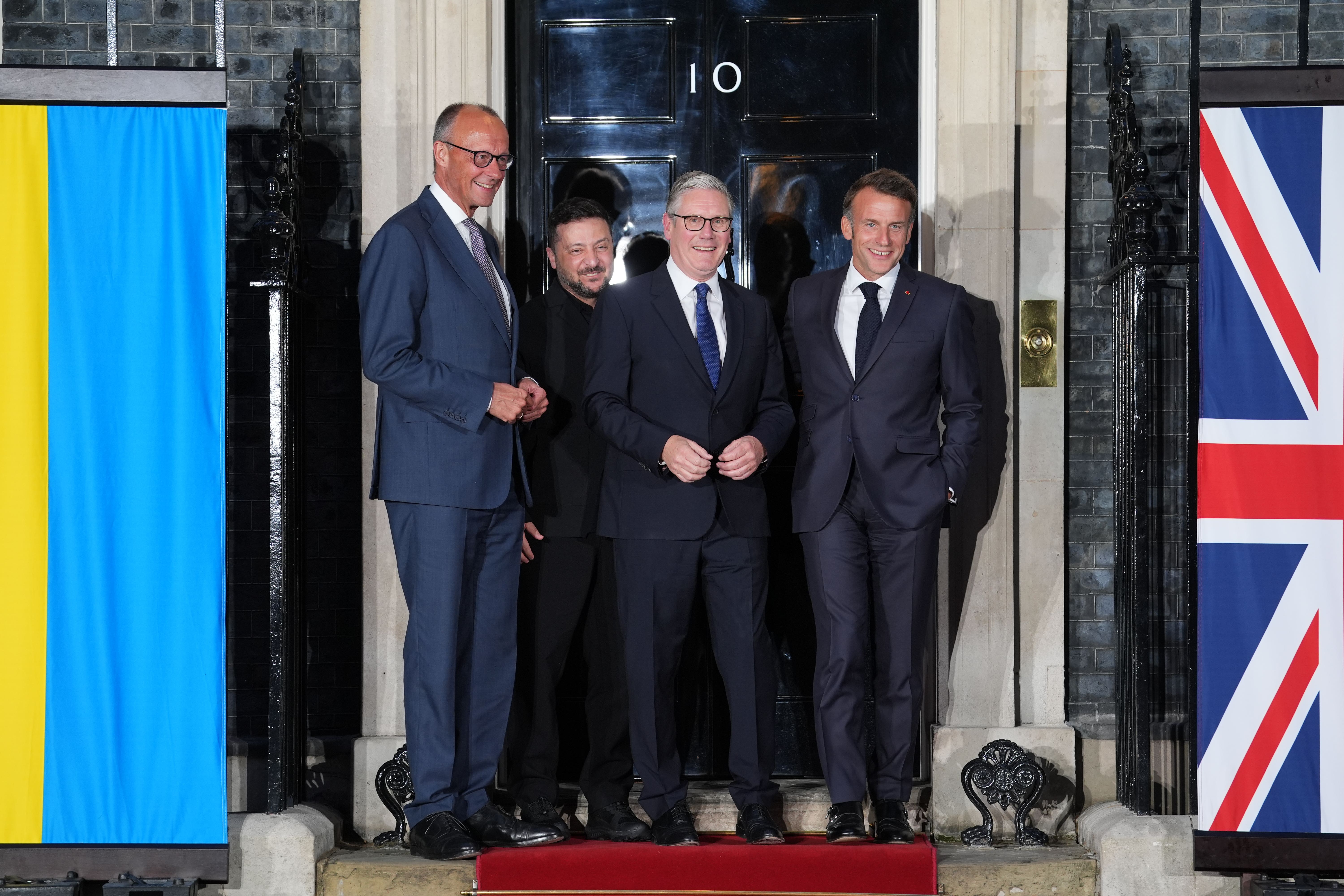
After the meeting, the leaders also announced plans for more military support to Ukraine and more economic pressure on Russia.
Earlier this week, President Zelensky proposed a face-to-face meeting with Putin, but the Russian leader has so far rejected the idea.
In May, Ukraine went on the offensive after Russia said it had deployed its powerful hypersonic Oreshnik ballistic missile during a large-scale drone and missile attack on Kiev.
This was the third recorded use of the Oreshnik missile in combat.
Putin declared that the weapon moved at Mach 10 and said that “there is currently no way to counter this weapon” in 2024.
Ukraine’s shortage of air defense systems is thought to leave civilians particularly vulnerable to ballistic missiles, in part due to depletion of U.S. stockpiles due to the Iran war.
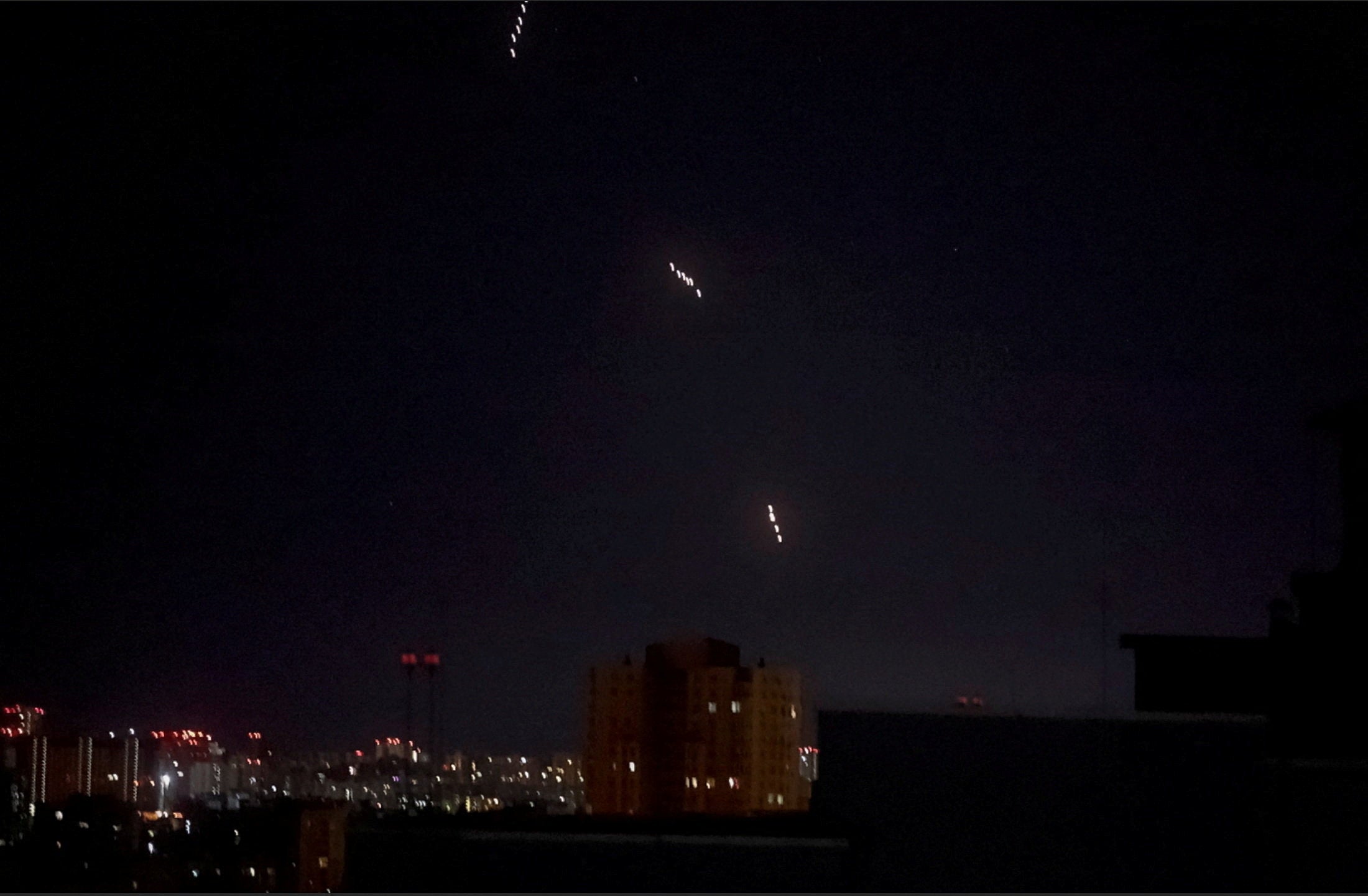
In the statement made after the meeting between Sir Keir, President Zelensky, French President Emmanuel Macron and German Chancellor Friedrich Merz, it was stated that they “condemned Russia’s large-scale missile and drone attacks, including the repeated use of Oreshnik missiles against Ukrainian cities, which caused tragic harm to civilians, as well as irresponsible and dangerous Russian drone attacks on NATO territory.”
The statement added: “The leaders underlined the urgent need to increase the production of interceptors, jointly develop anti-ballistic missile and deep strike capabilities, and support the future sustainability of the Ukrainian armed forces.”
The three leaders on Sunday also laid out five conditions for Russia to meet in any peace deal, including that Russia agree to an immediate and full ceasefire, that the “existing line of contact” be the starting point for negotiations and that there be firm guarantees on Ukraine’s security. The leaders said Russian assets would be frozen until war reparations were paid to Ukraine and that Europe should have a say in any deal.
A drone strike on Sunday damaged a storage center where spent nuclear fuel was stored, nine miles from the Chernobyl facility.
The attack sparked a fire that was extinguished within an hour and radiation remained at safe levels, officials said.
In a post on social media, Mr. Zelensky said the focus of Sunday’s meeting would be “our defense in war, greater cooperation in the field of air defense for the security of all of Europe” and discussing diplomatic prospects.
“Europe must be part of the negotiations and must be strong,” he said.
A large-scale Ukrainian drone strike targeting Russia’s second largest city, St Petersburg, on Saturday revealed Kiev’s increased ability to strike deep into Russian territory.
“We will not die quietly. We will respond,” Mr Zelensky told Sky News on Sunday. “We will become stronger every day”


