Water shortages could stall plans to build more than one million new homes

Britain doesn’t have enough water to build the 1.5 million homes the government has promised this parliament, according to a new report.
Housing has been declared one of Labour’s “five missions for government” ahead of the 2024 general election, with 1.5 million homes to be built over a five-year period under Sir Keir Starmer’s premiership.
But independent analysis commissioned by Water UK and published earlier this week found England only has enough water for 420,000 homes; That’s more than a million short of Labour’s target.
The trade body cites two main reasons for this shortfall: bureaucratic hurdles where planning rules continue to slow down new water infrastructure, and legislation that prevents companies from building to meet future demand.

David Henderson, chief executive of Water UK, stressed the importance of reducing the “future use” regulatory hurdle.
He said: “We would love to be able to provide enough water for new housing. But we are being held back by a regulatory system that makes building new reservoirs much slower than it should be and unrealistic optimism about how much water people will use in the future.”
The current rules he mentioned are based on government targets that assume business demand for water will fall 9 percent in real terms from 2037 to 2038.
Water UK insists this estimate is unrealistic. Instead, the report highlights that non-home water consumption will increase, especially in light of the proliferation of data centers across the country.
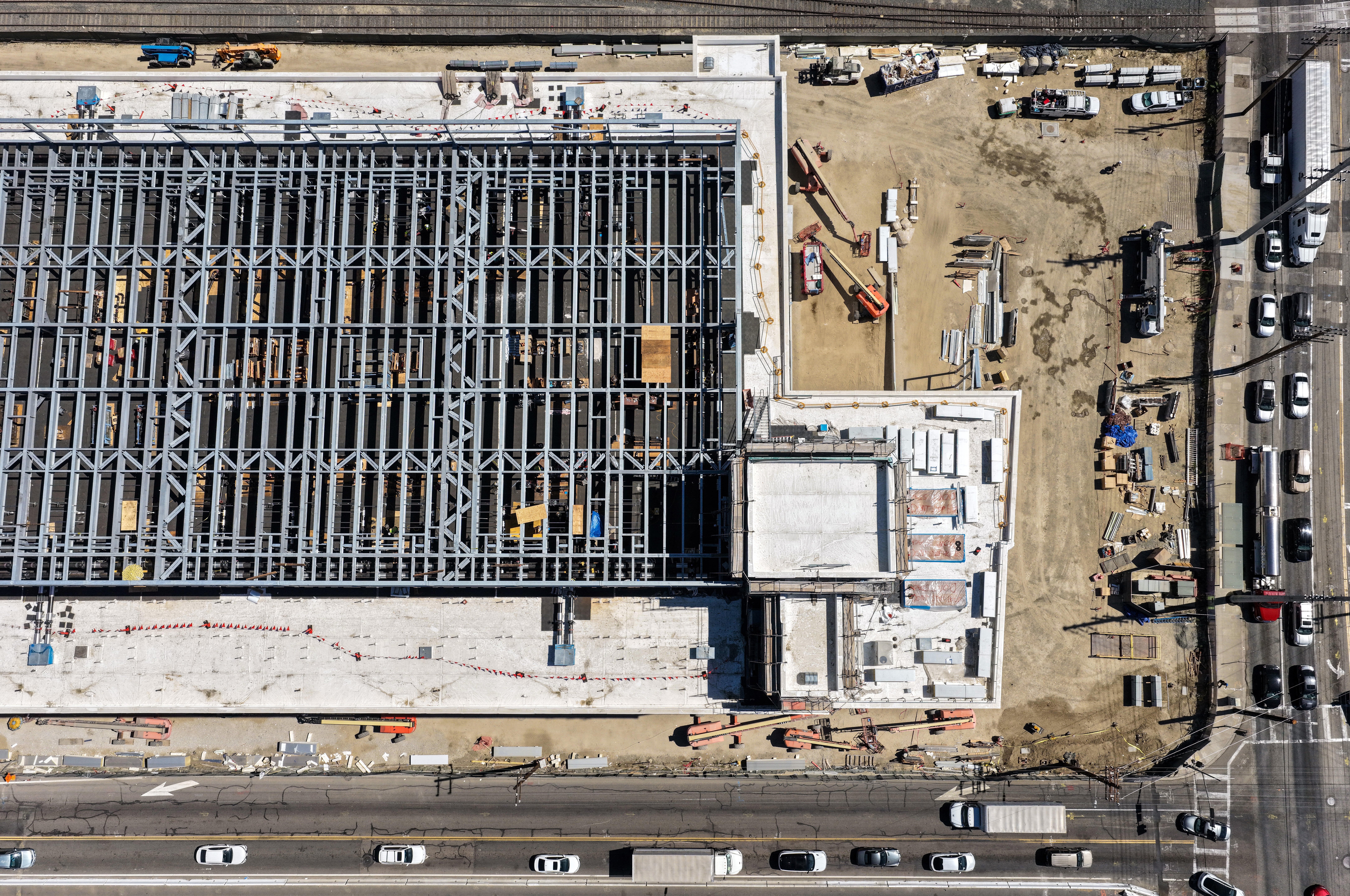
Currently data centers are expressly excluded from the Environment Agency’s national framework for water resources; this is an official document that sets out the national strategy for water infrastructure; This means that additional water demand is not currently taken into account in water supply planning.
However, with 563 established data centers across the UK and more than 100 in various stages of development, a report presented to parliament by Water UK earlier this year estimated that data centers currently use 6.6 million liters of water per day; This is equivalent to the water used by an average of 20,000 homes.
This figure is expected to reach 19.8 million liters, or 60,000 homes, by 2030.
Water UK has warned that both new and existing homes will “face increasingly frequent restrictions on water use, such as hose bans”, by excluding these centers from national calculations of water use.
Under UK law, before developers can build new homes, local planning authorities and water companies must confirm that the regional water network has the capacity to provide water to residents living in those homes after they move in.
If there is not enough water in the area, water companies cannot provide connections and local councils can freeze planning permission.
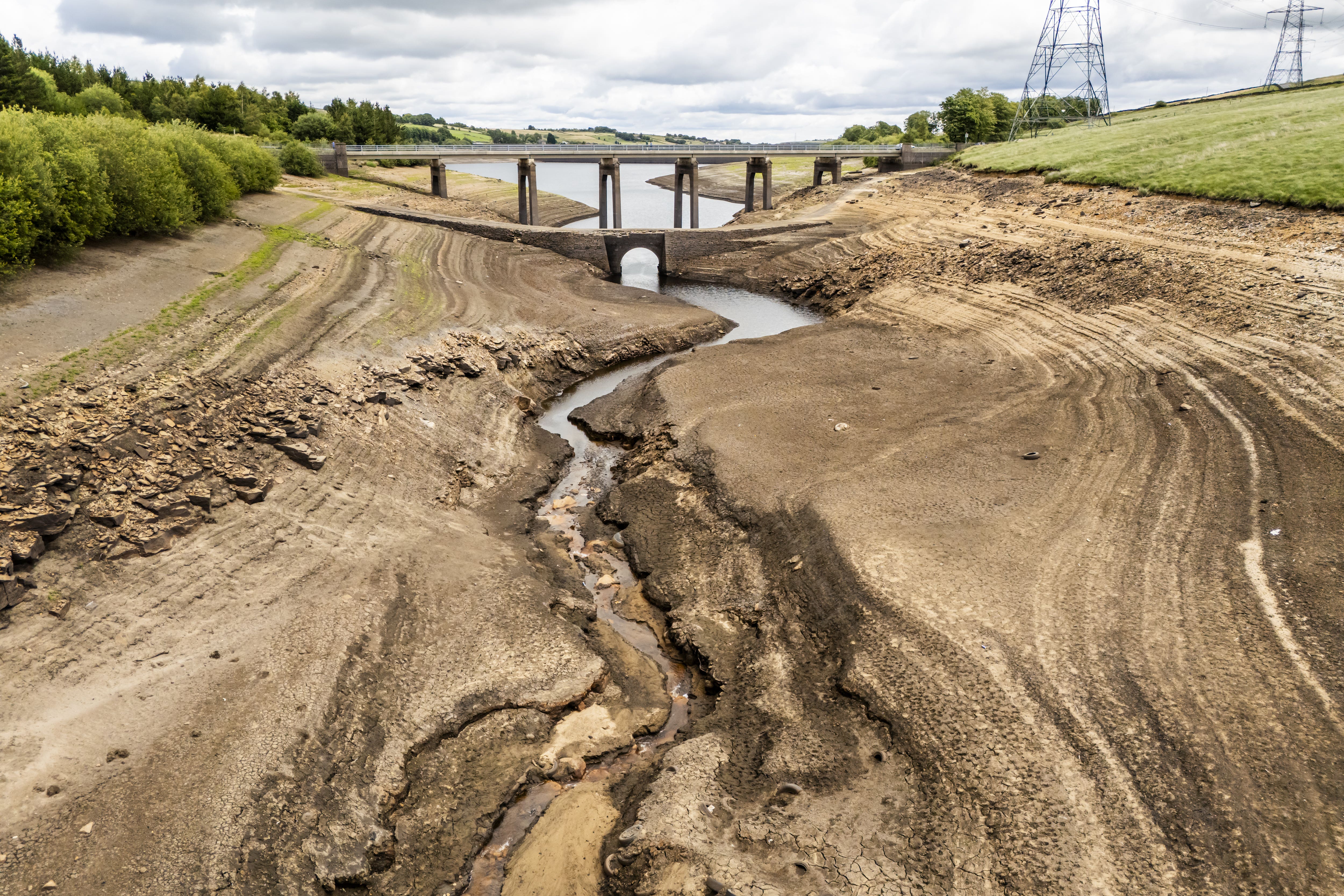
To increase the number of water supplies available, the trade body has called for the national framework for water supplies to be changed to reflect the UK’s actual water use and the risk of additional demand from businesses such as data centres.
By doing this, companies responsible for building water resources such as reservoirs will be able to bypass the “red tape” that prevents them from building to meet future demand.
The report also highlights the impacts of climate change on future water consumption, with the UK facing a potential water deficit of 5 billion liters per day by 2055, according to the Environment Agency.
A Department for Environment, Food and Rural Affairs (Defra) spokesman said the government had taken action to address water shortage concerns and all registered water companies were now working with regulator Ofwat, Natural England and the Environment Agency on water resource management plans for 2025-2030.


