What coffee and energy drinks are really doing to your heart

A new study has revealed the impact of coffee and energy drinks on adults’ hearts.
Researchers from the American Heart Association found that caffeine, the most widely used stimulant in the world, is safe for most adults at up to 400 mg per day.
New scientific analysis of various data sets has been published. AHA Journalssuggests that “most adults can safely consume five 8-ounce cups of regular black caffeinated coffee per day.”
This level of consumption may even be associated with a lower risk of cardiovascular disease, such as stroke and heart failure, in some adults.

Gregory Marcus, chairman of the scientific statement volunteer writing group, said: “Caffeine consumed in coffee is an essential part of daily life for millions of people, and the latest research shows that for most adults, intake of up to 400 mg of caffeine per day, the equivalent of up to five cups of caffeinated coffee per day without added sugar or fillers, is safe and does not increase cardiovascular risk.”
However, high caffeine intake may pose greater risks, especially when consumed from high-dose sources such as energy drinks, which can contain three to four times more caffeine than regular coffee.
He added: “However, high doses of caffeine found in energy drinks, including energy shots, can have harmful effects on the heart and should be avoided.”
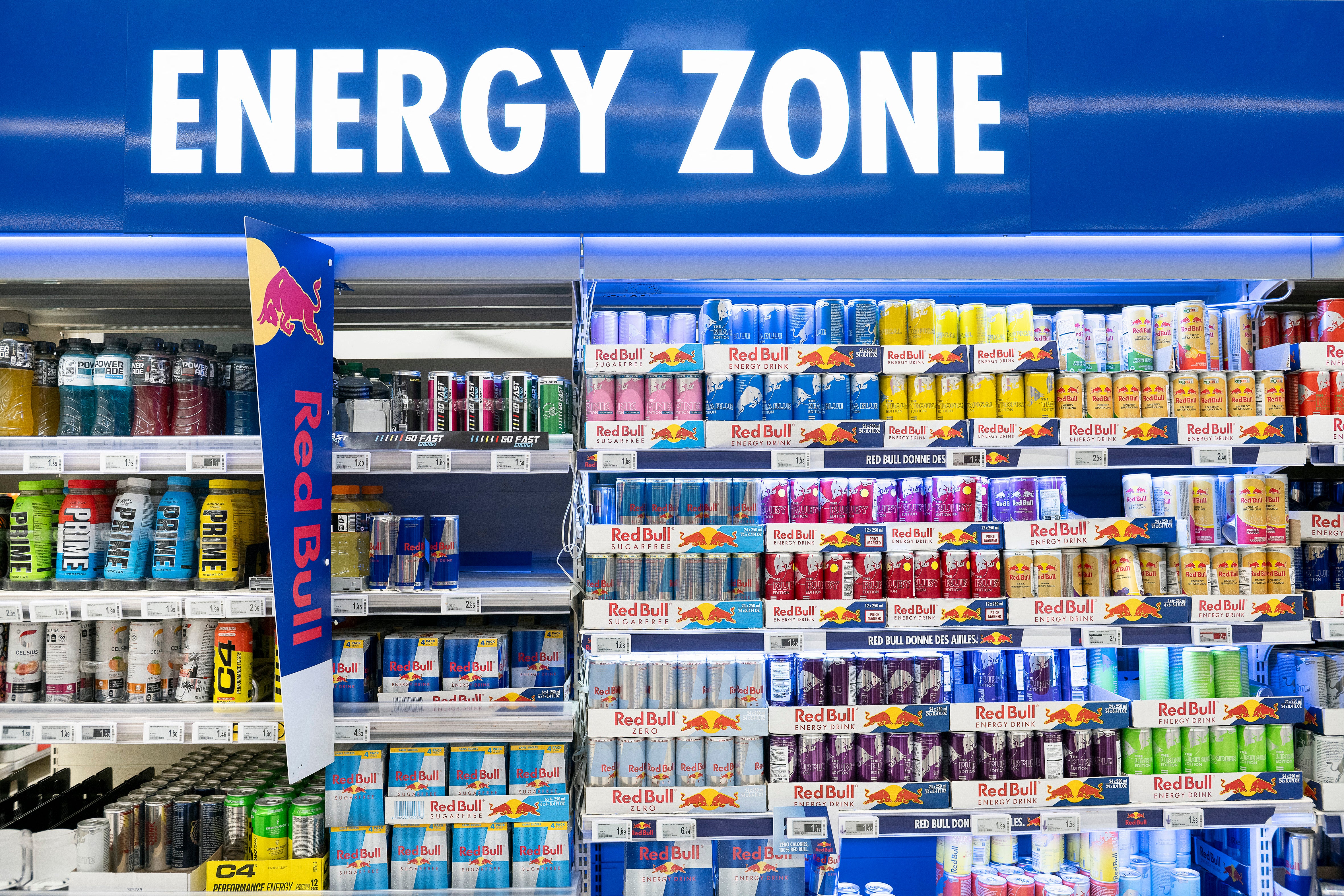
A typical cup of coffee contains 9.5 to 20.6 mg of caffeine per fluid ounce, compared to 40 to 69 mg of caffeine in some energy drinks.
Caffeine from coffee is processed in the body by the liver and reaches its highest concentration within an hour; here it can cause short-term increases in blood pressure, heart rate, blood sugar, and alertness.
Participant-reported health information suggested that consuming one to three cups of caffeinated coffee per day was not associated with a higher risk of atrial fibrillation (an irregular heart rhythm that increases the risk of stroke) or an abnormal heart rhythm.
But very high doses of caffeine, such as those from energy drinks and energy shots, have been associated with abnormal heart rhythms in people normally considered at low risk for cardiovascular disease.
The researchers called for more trials examining coffee and other caffeinated products and warned that not all products should be considered interchangeable because the amounts of caffeine in them vary.
They say that although caffeine may benefit some people, “it is important to remember that there is no ‘one size fits all’ strategy for safe caffeine consumption” and people may respond differently depending on individual factors such as age, genetics and health conditions.


