Britain facing one of the largest shocks from Iran war energy crisis, warns IMF

Britain faces one of the biggest shocks from the conflict in the Middle East, the International Monetary Fund (IMF) has warned, saying the UK economy is “particularly exposed” to rising prices due to its dependence on gas-fired energy.
Comparing the impact of rising prices to a “massive sudden tax on a family’s income”, the IMF warned that “the de facto closure of the Strait of Hormuz and the damage to regional infrastructure has caused the largest disruption in the history of the global oil market.”
The IMF, which advises on policy and provides financial assistance to member countries, said it was increasing support, especially to the most vulnerable economies.
In a blog post published on Monday, it said that the impact of the war was “both global and highly unequal” and that some countries could face cost of living shortages again.
Major energy importers in Asia and Europe are bearing the brunt of rising fuel prices and input costs due to the effective closure of the Strait of Hormuz, a key shipping route, causing oil and gas shipments to grind to a halt.
According to the IMF, countries such as the UK and Italy were particularly affected by this situation, while France and Spain were relatively protected by greater use of nuclear and renewable energy sources.
The organization also warned that concerns are growing about the increase in food prices due to disruptions in fertilizer shipments from the Middle East.
“The disruption of crop-nutrient supplies from the Gulf comes just as the planting season begins in the Northern Hemisphere, threatening crops and harvests throughout the year and causing food prices to rise,” the report said.
The most vulnerable countries will “bear the heaviest burden”, with people in low-income countries spending a greater share of their income on food.
“While war can shape the global economy in different ways, all paths lead to higher prices and slower growth,” the IMF warned.
The ultimate impact depends on how long the war lasts and how much damage it does to infrastructure and supply chains, but the world “could land somewhere in between; tensions remain, energy remains expensive, and inflation looks hard to rein in,” he wrote.
The warnings came after Sir Keir Starmer told business and military leaders at a meeting in Downing Street on Monday that his priority was to work on a “workable plan” to end the Middle East conflict and reopen the Strait of Hormuz.
Downing Street said the aim of the meeting, which included representatives from energy firms Shell and BP, shipping giant Maersk, marine insurance specialist Lloyd’s of London and banks HSBC and Goldman Sachs, was to discuss how the government and private sector could work together to respond to the situation.
Sir Keir told bosses that dealing with the effects of war needed to be a “joint effort”, adding: “The government cannot do this alone. You cannot do this alone. We will need to work together on this.”
A Cobra meeting is expected to be held on Tuesday where senior ministers will discuss the ongoing economic blow caused by the war.
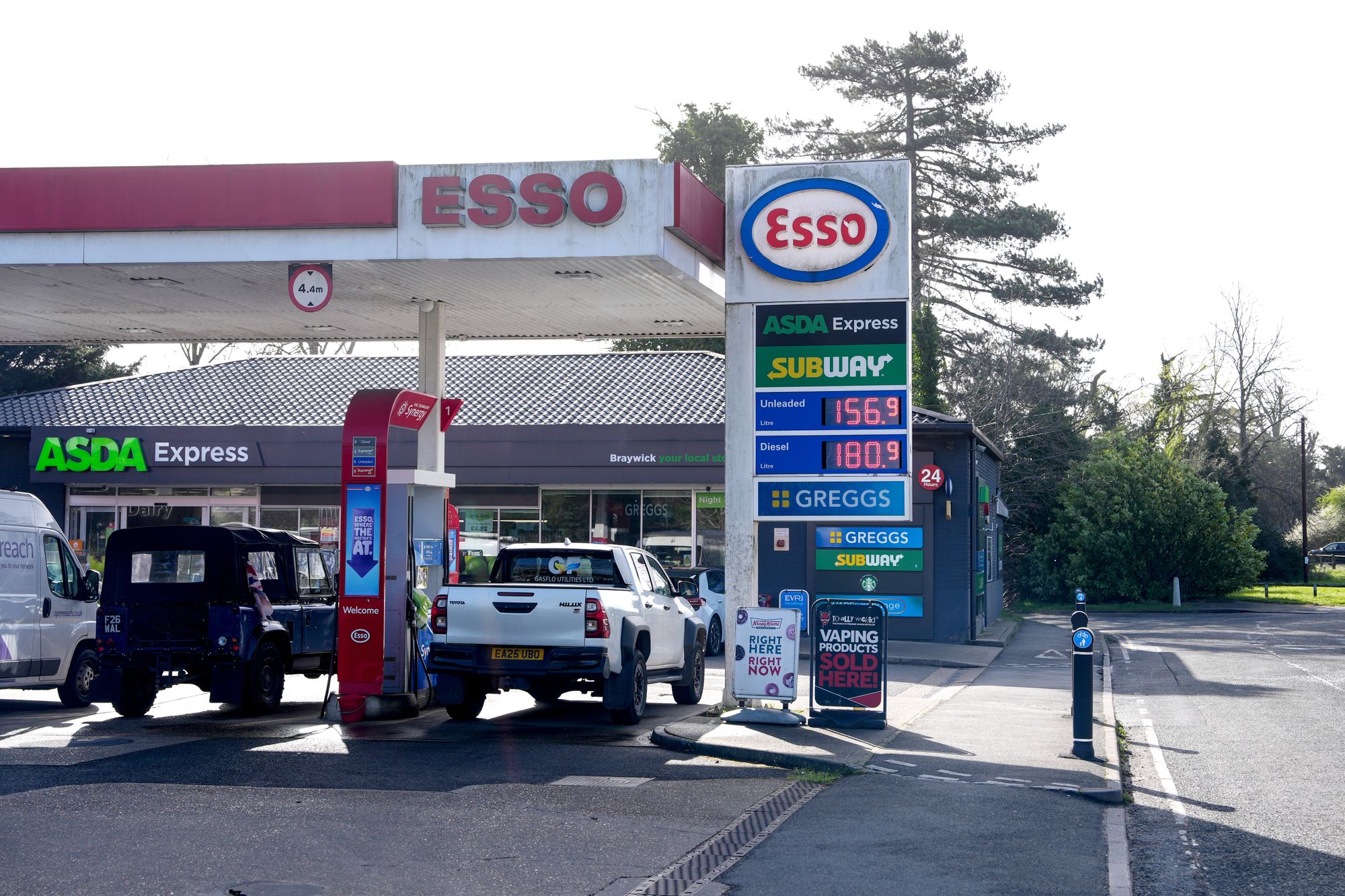
Meanwhile, Rachel Reeves faces growing pressure to follow European countries and take action to protect consumers from skyrocketing fuel prices.
Oil prices, which have a significant impact on the wholesale cost of fuel, have risen in response to Iran’s crackdown on tankers passing through the Strait of Hormuz, raising pump prices and increasing pressure on the government to abandon a fuel tax increase planned for September.
The Chancellor announced in his November budget that the fuel duty cut introduced by the Conservative government in March 2022 following the outbreak of the Ukraine war would be extended until the end of August 2026, with rates gradually returning to previous levels over the next five years.
But it now faces growing calls to abandon a fuel duty increase planned for September and instead follow European allies who have taken significant steps to keep prices low as the war continues.


