Data centres urged to BYO clean energy, train workers

Unions and green groups want data centers to meet their massive power needs by building more renewable energy capacity.
Providing mandatory apprentice training to prevent workforce loss and using water resources responsibly are also included in the eight-point plan approved by the Electrical Union, Australian Conservation Foundation, Clean Energy Council and other groups.
Their requests were submitted to the federal government ahead of the expected release of data center development guidelines on energy, water and other issues within weeks.
Australia has emerged as a favored destination to host the AI boom, but questions remain over the massive energy and water usage required for computing power.
ETU national secretary Michael Wright said without the right policy settings, data centers risk “pulling” skills away from national priorities such as housing and the energy transition.
“Australia needs tens of thousands more electrical workers to take our nation into the 21st century, including building data centres,” Mr Wright said.
To protect the grid, the plan calls for data centers to be powered by 100 percent additional renewable energy.
According to projections prepared in the Clean Energy Finance Corporation and Baringa report, demand is expected to increase from the current 1.35 gigawatts to between 5-8 GW by 2035.
Climate Energy Chief Financial Officer Tim Buckley said new approvals must come with social benefits.
“Ultimately, data centers can only be built by leveraging existing publicly funded water and grid infrastructure that we all pay for,” Mr. Buckley said.
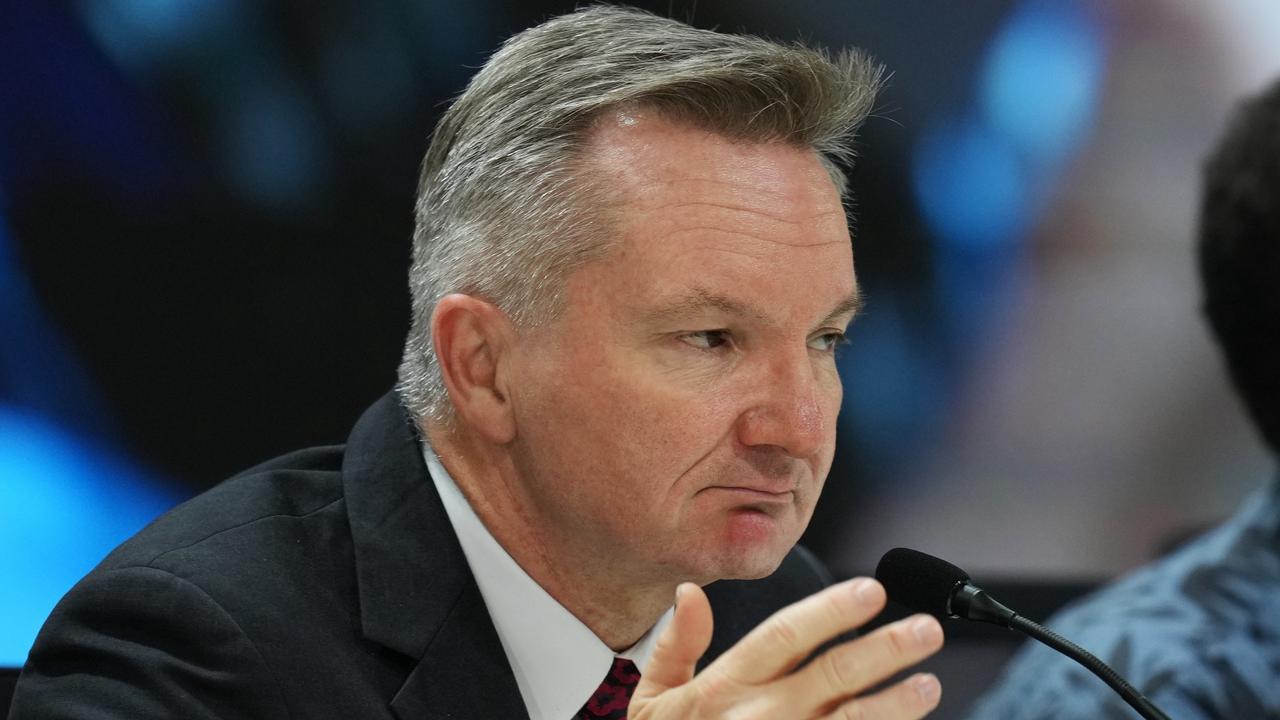
Climate and Energy Minister Chris Bowen said data centers should build new solar and wind capacity and have built-in “resilience and redundancy” to protect the network.
“People building data centers need to generate new energy to match, and that energy will be renewable,” he told reporters on Wednesday.
He said state and federal energy ministers were “on the same page” and updates on the issue could be expected in May.
The plan, drawn up by the Carbon Zero Initiative, says that without the right policy architecture, extra electricity demand could raise energy prices, undermine national climate targets and slow the development of emerging green industries.
“Transparent guardrails will now benefit households, communities and the grid,” said Alexander Hoysted, project leader of the initiative.

Australia’s Associated Press is the beating heart of Australian news. AAP is Australia’s only independent national news channel and has been providing accurate, reliable and fast-paced news content to the media industry, government and corporate sector for 85 years. We inform Australia.


