Pay boost for half a million workers as real living wage to rise

Nearly half a million workers will receive a pay rise as the real living wage, paid voluntarily by 16,000 companies in England, rises to £13.45 per hour.
The real living wage differs from the national living wage, which is the legal minimum wage in the UK. It is calculated based on the cost of basic needs each year and is currently paid by more than half of the companies in the FTSE 100.
The 6.7 per cent increase will come into force in April and will add 85p per hour to the discretionary pay rate. Pay for workers in London will rise by 6.9 per cent, by 95p, to £14.80 an hour.
The Living Wage Foundation, which sets rates, said this year’s increase means a full-time worker earning the real living wage will take home £2,418 more a year than someone earning the Government minimum wage, and £5,050 more in London.
The foundation said that despite economic difficulties in the UK, the number of employers signing up to pay the real living wage continues to rise, with nearly 2,500 new accreditations last year.
Employers commit to paying at least a real living wage to all their employees and third-party contractors, such as cleaners and security guards. One in seven employees across the UK now works for an accredited living wage employer.
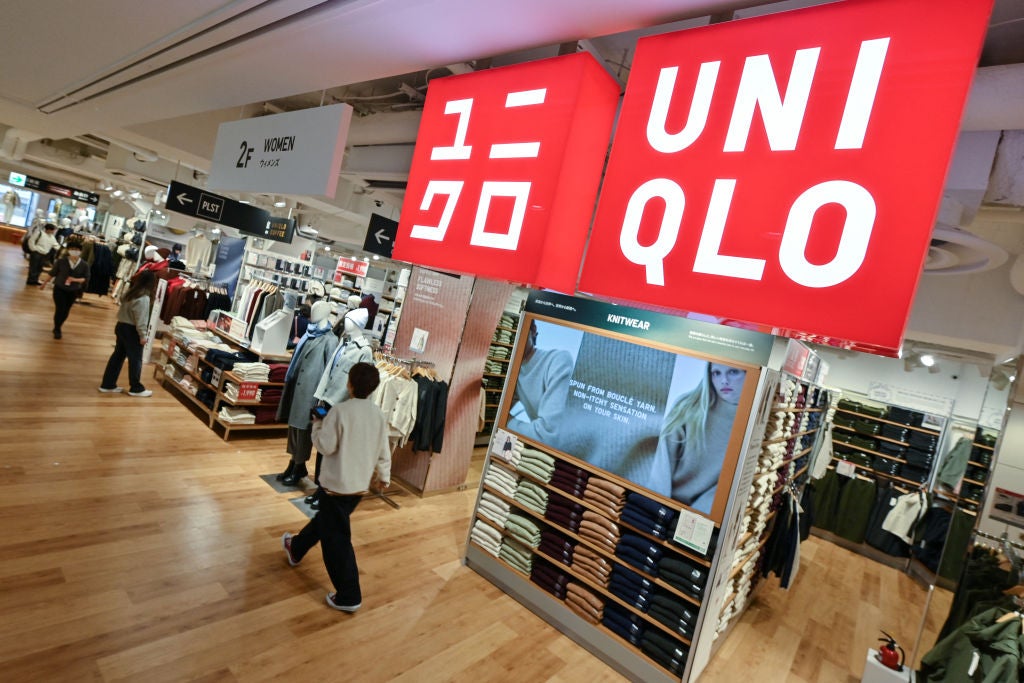
Living wage employers include Ikea, Oxfam, Lush, Uniqlo, Aviva, Linklaters, KPMG and thousands more.
A recent study by the Living Wage Foundation found that rising inflation has left many of Britain’s 4.5 million low-paid workers struggling to meet basic needs in the past 12 months. About 42 percent resorted to using the food bank; this rate increased to 56 percent of households with dependent children.
Katherine Chapman, chief executive of the Living Wage Foundation, said: “We all need a wage that covers the basics of living, and the real living wage is the only wage rate in the UK that is independently calculated based solely on what is needed to cover rising living costs.
“The new rates announced today will make a huge difference for workers and their families, helping them better cope with rent, bills, food and other basic needs and live in stability and security.”
Uniqlo UK chief operating officer Alessandro Dudech said: “Uniqlo is delighted to be accredited by the Living Wage Foundation in the UK. We believe ensuring our employees receive a fair wage for their hard work is crucial to fostering a motivated and productive workforce.”
The statutory minimum wage has also seen significant increases in recent years and is expected to rise from the current level of £12.21 to £12.71 in April, depending on the Low Pay Commission’s final recommendations to Chancellor Rachel Reeves.
Unlike the real living wage, this minimum wage is also reduced for those under 21. But Labor said in its manifesto that it planned to gradually equalize pay brackets so young workers would no longer be paid less.


