Undersupply, oil supply crisis fuel more housing pain

Buyers and renters are in for a “very difficult situation” as rising inflation and interest rates interact with low housing supply in markets across Australia.
While conflict in the Middle East will dampen price growth somewhat, Australia’s chronic housing undersupply continues to support property values across the country.
Cotality’s home value index rose 0.7 percent in March, reaching a record median property price of $933,137, the data firm reported on Wednesday.
It follows the 0.8 percent increase in February, bringing the annual growth rate to 9.9 percent.
However, the differences between the major capitals Sydney and Melbourne, which fell 0.1 percent and 0.2 percent respectively in March, and the mid-sized markets where growth continues rapidly, are widening.
In Perth, the third market to break the seven-figure club with a median home value of $1,017,698, house price growth rose to 2.5 per cent.
Mid-tier markets have been outperforming Melbourne and Sydney for several years, but the gap was widening due to the size of the supply gap in Perth, Adelaide and Brisbane.
“Sydney and Melbourne are now seeing above average postings so there is more choice,” Cotality research director Tim Lawless told AAP.
“Buyers have less urgency. They can negotiate.
“Whereas in Perth, listings are still around 40 per cent below average.”
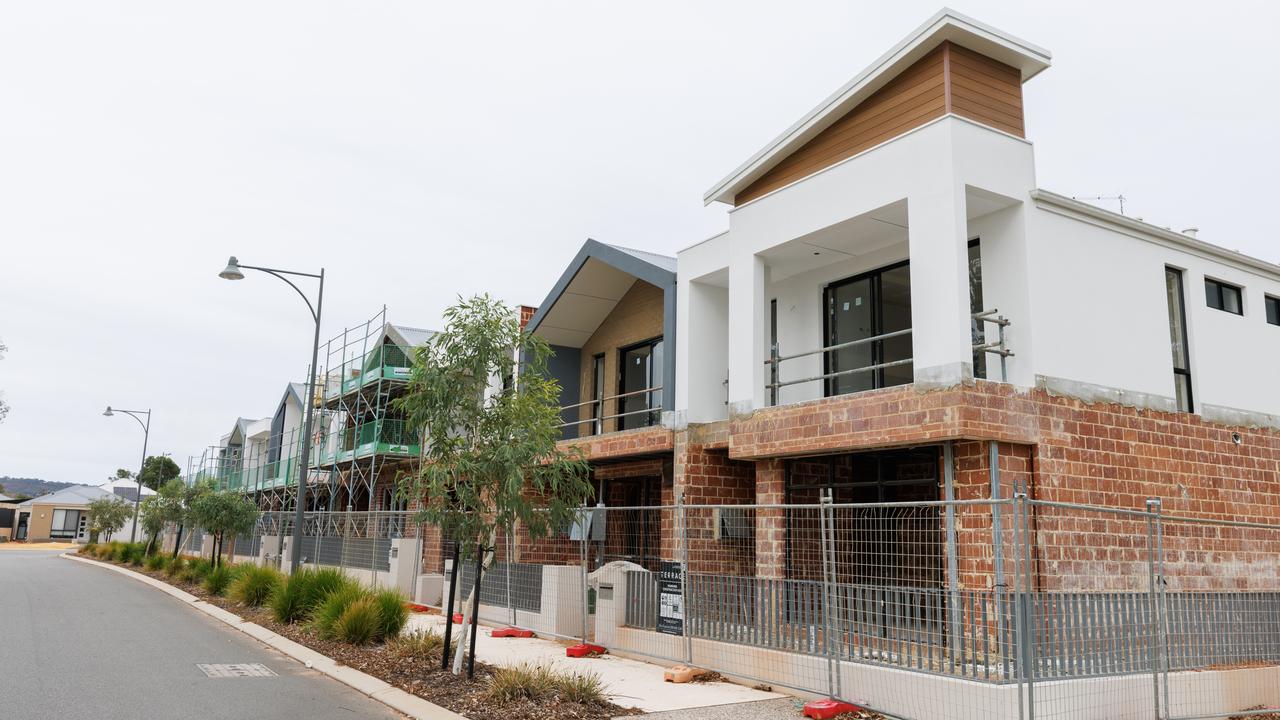
With up to three more interest rate hikes predicted in 2026, potential buyers will feel urgency to enter the market despite low confidence and vacancy rates.
“So for a lot of buyers or tenants, they’re probably in a tough spot,” Mr Lawless said.
Markets will inevitably slow as a result of the conflict in the Middle East.
High inflation will eat into households’ disposable income, and high interest rates will reduce borrowing capacity, softening demand.
But the supply side of the equation was also under threat.
Rising fuel prices and shortages of construction materials such as PVC pipes will increase construction costs and make projects less feasible.
“With continued undersupply of new housing, this often means that a downturn in housing may not be as deep as it would otherwise be,” Mr Lawless said.
Conditions were also different in housing markets; more expensive properties in the bottom quartile were being left behind.
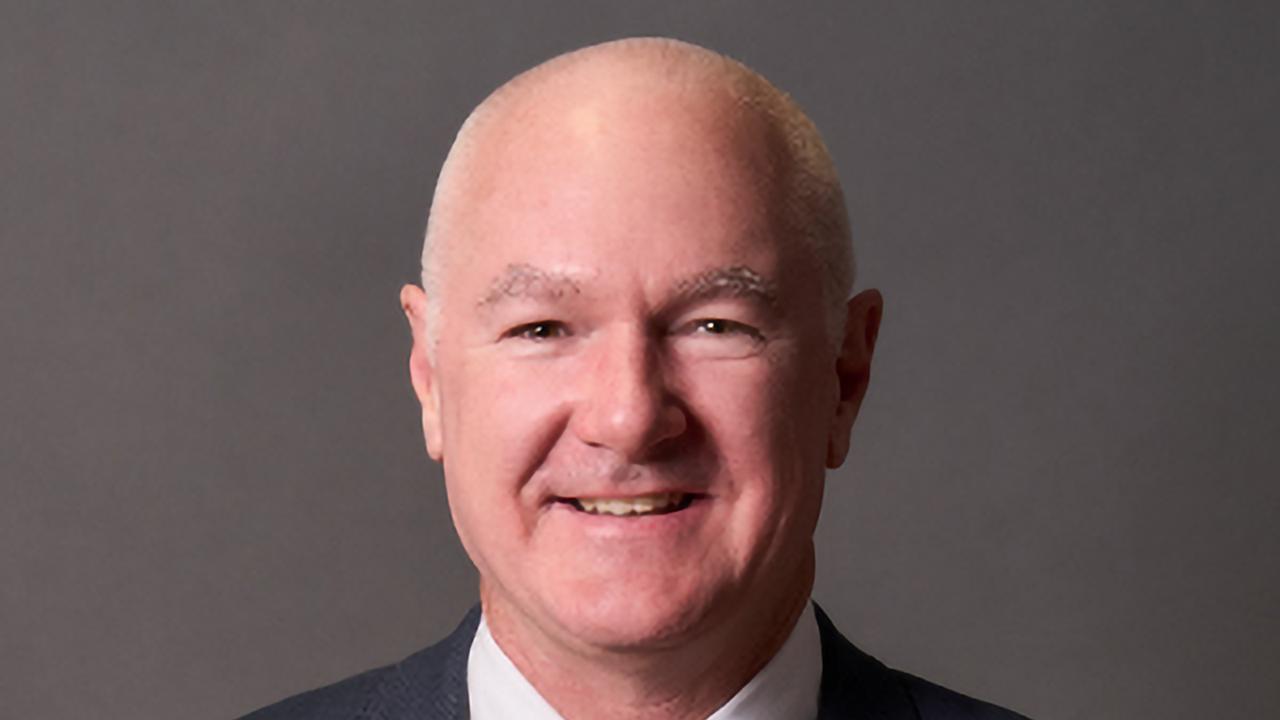
As borrowing capacity falls, buyers are turning to cheaper homes, where they compete with investors and first home buyers taking advantage of the government’s expanded five per cent deposit guarantee scheme.
But Mr Lawless said growth in first home buyers’ credit was unlikely to be sustained as they struggled to prove they could afford a 95 per cent loan-to-value mortgage.
For those who cannot get on the property ladder, the rental market offers no respite.
Rental affordability is already at record levels and is set to get worse.
Rents increased by 5.7 percent in the last 12 months, the fastest annual growth rate since October 2024.
“What is driving the acceleration is that vacancy rates remain near record lows of 1.6 per cent,” Mr Lawless said.
“So with such a shortage of rental stock, you have to imagine there will be upward pressure on rents.”

Australia’s Associated Press is the beating heart of Australian news. AAP is Australia’s only independent national news channel and has been providing accurate, reliable and fast-paced news content to the media industry, government and corporate sector for 85 years. We inform Australia.


