Exclusive-Russian oil output cuts are unavoidable as drone attacks shrink exports, sources say
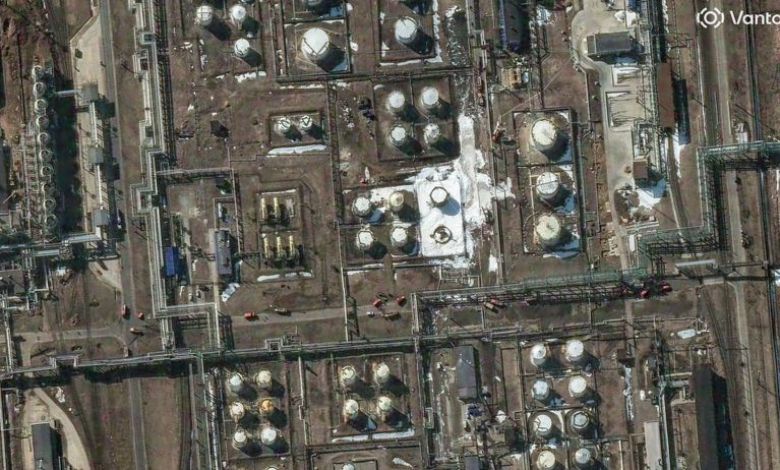
April 2 (Reuters) – Cuts in Russian oil production are looming as Ukraine’s attacks on port infrastructure, pipelines and refineries cut export capacity by 1 million barrels per day, or a fifth of total capacity, three industry sources said on Thursday.
The production cut in Russia, the world’s second-largest exporter, would increase pressure on global supply at a time when oil markets are already reeling from an unprecedented supply disruption due to conflict in the Middle East.
Ukraine intensified its attacks on Russia’s oil export infrastructure last month. Ukraine targeted the Baltic ports of Ust-Luga and Primorsk in the heaviest drone strikes of the more than four-year war, aiming to weaken Russia’s economy.
At least 20% of Russia’s total export capacity has been out of use since a peak of 40% in March; but it’s enough to have an impact on the world’s third-largest oil production after the United States and Saudi Arabia, according to three industry sources. The sources spoke to Reuters on condition of anonymity due to the sensitivity of the situation.
OIL PIPELINE SYSTEM IS FLOODED WITH OIL
Russia’s major Baltic port of Ust-Luga suspended oil exports a week ago following heavy drone attacks and fires. Sources said the Russian oil pipeline system was clogged with oil and tanks were filling up as Ukrainian drones targeted both export infrastructure and local refineries.
They said this meant some oil fields would have to reduce their production to prevent further flooding of the system.
Russia has benefited from a rise in oil prices since US-Israeli attacks on Iran began in late February, but cutting energy production would still hurt since oil and gas account for a quarter of state budget revenues.
LIMITED PIPELINE CAPACITY
Even before the attacks on Baltic ports, Russia’s export capacity had been squeezed due to the suspension since January of the Druzhba pipeline supplying oil to Hungary and Slovakia.
More than 80 percent of Russia’s oil is pumped by state-controlled pipeline monopoly Transneft.
Transneft and Russia’s energy ministry did not respond to requests for comment.
According to sources, Transneft informed exporters that Ust-Luga could not load oil in accordance with the initial export plan due to recent damage.
Transneft was also unable to receive into its system all oil volumes from producers scheduled to export through Ust-Luga, one of the sources said.
The Organization of Petroleum Exporting Countries announced that Russia’s oil production was 9.184 million barrels per day in February. The source could not say how much production might be cut.


