Farmers fear EU trade deal will shortchange agriculture

Farmers are on edge as Australia and the European Union review the final details of a long-awaited trade deal that they hope will increase beef and lamb quotas.
The negotiations, which have been going on for eight years, are expected to culminate when European Commission President Ursula von der Leyen arrives in Canberra to meet with Prime Minister Anthony Albanese.
The free trade agreement is expected to be announced on Tuesday afternoon after it was previously stalled due to disputes over agricultural access and geographical naming rights.
The EU was reluctant to increase beef and lamb quotas but the National Farmers’ Federation said this should be non-negotiable.
Federation president Hamish McIntyre told AAP: “With everything going on globally, there could be no worse timing to reach a deal that unlocks Australian agriculture.”
“NFF is concerned that the EU is offering sub-par access to Australian producers while at the same time doling out more multi-billion dollar subsidies to their producers – a double whammy for Australian farmers.”
The NSW Farmers Union said they were “increasingly nervous” about agriculture being traded away or used as a bargaining chip for a deal.
“And we don’t believe it’s in the national interest,” he said.
Both organizations declared that no deal would be “better than a bad deal.”
Trade Minister Don Farrell held talks with his counterpart Maros Sefcovic on Monday, but the final details of the deal have not yet been decided.
Meat and Livestock Australia, which acts as the secretariat of the Australia-EU Red Meat Market Access Taskforce, said the agreement was the only opportunity to eliminate the competitive disadvantage it faces in the EU.
“Settling for a sub-optimal outcome at a time of increasing global trade uncertainty will undermine Australia’s trade resilience and put a handbrake on diversification in a market of 27 countries and 450 million consumers,” taskforce chair Andrew McDonald said.
“Our preference is for the EU to be truly engaged in free and fair trade.”
Former Australian trade official Prudence Gordon said current quotas were prohibitive and did not make commercial sense for farmers.
“It’s not really worthwhile for most exporters who export beef and lamb and other products like rice, sugar and dairy to get into this market because the quotas are so small but also the tariffs are really high,” Dr Gordon told AAP.
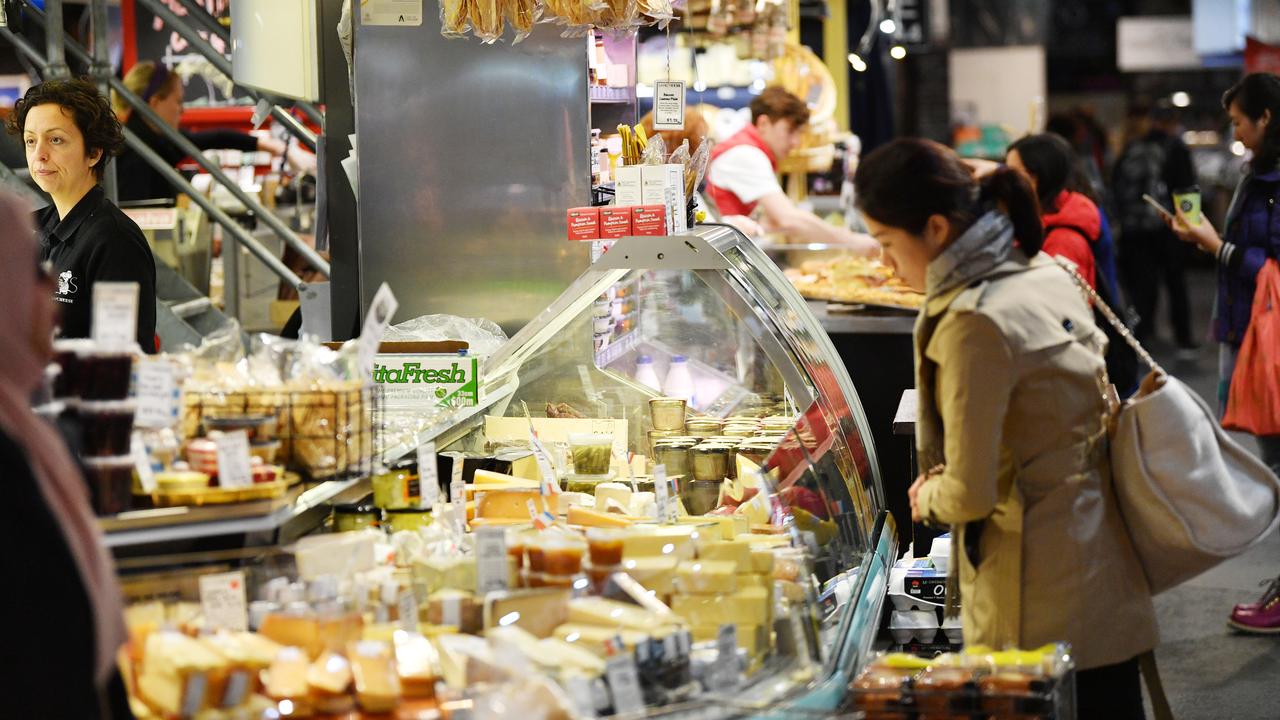
Europe has wanted to strip Australian farmers of their right to use geographical appellations such as feta, parmesan and prosecco, but a compromise seems likely to be reached as part of a final agreement.
Dr Gordon said if quotas were compromised it could show Australia was prioritizing international cooperation over agricultural exporters.
“The US decision to withdraw from trade agreements has provided greater incentive to conclude these negotiations,” he said.
Ms von der Leyen will become the first female foreign leader to address the federal parliament on Tuesday.
Luxury car taxes and Australia’s world-first social media ban are also expected to be discussed in bilateral meetings with Mr Albanese.

Australia’s Associated Press is the beating heart of Australian news. AAP is Australia’s only independent national news channel and has been providing accurate, reliable and fast-paced news content to the media industry, government and corporate sector for 85 years. We inform Australia.


