How have UK petrol prices been affected by US-Iran war and oil price surge?

Official data has confirmed that fuel prices continue to rise as economies around the world take a hit following conflicts in the Middle East.
The average gasoline price rose to 144.16 pence per liter on 23 March, from 131.71 pence recorded before the US attack on Iran on 28 February. Meanwhile, diesel rose from 140.28p to 166.88p, according to new government figures.
This means the cost of fueling a 55-litre family diesel car has risen by £14.63 in less than a month, with further increases in prices expected.
The increase was driven by a surge in oil prices, which have risen to as high as $112 a barrel in recent weeks and remain above $100 (£75).
The dramatic rise after Iran launched retaliatory attacks on the world’s largest liquefied natural gas facility in Qatar caused prices to rise close to those seen in June 2022, when oil rose to $119 a barrel in the first months of the Ukraine war.
The cost of oil has a significant impact on the wholesale fuel cost.
Conflicts spread across the Middle East following US and Israeli attacks on Iran in February, followed by retaliatory Iranian attacks on targets in the United Arab Emirates (UAE), Qatar, Bahrain, Jordan and Iraq.
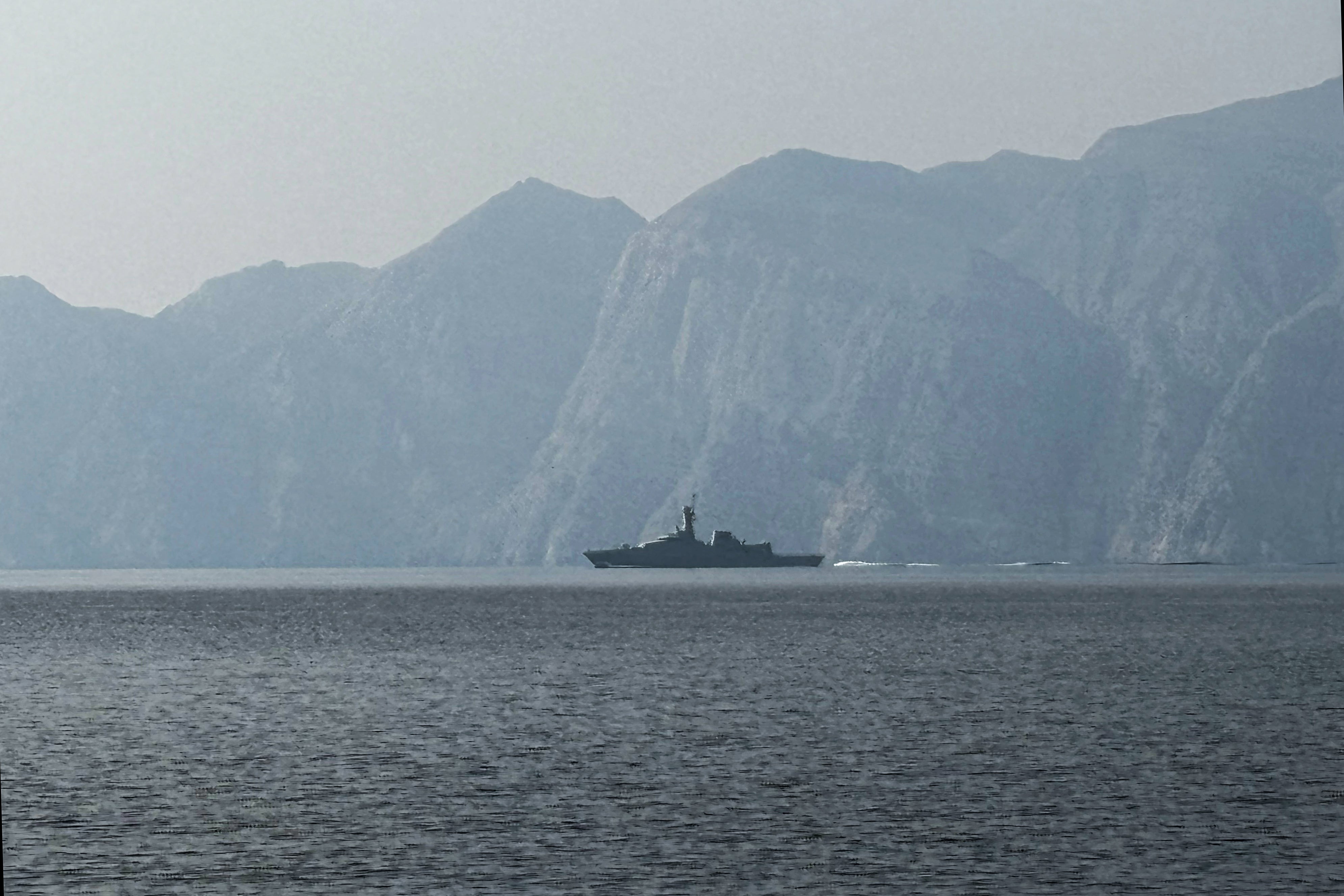
As America and Israel continue airstrikes on Iranian targets, explosions continue to be reported across the region. As the conflict escalated, Iran warned that it would “set fire” to any ships attempting to pass through the Strait of Hormuz.
The strait provides the only passage from the Persian Gulf to the open ocean, making it a crucial point for the oil industry. Approximately 20 percent of the world’s gas and oil is transported by water, and the Iranian threat is causing great damage to global trade.
Donald Trump has set a March 23 deadline for Iran to reopen Hormuz and threatened to “destroy” the country’s power plants if they don’t comply. But on Tuesday, the US president said that action had been postponed in light of “good and productive” talks between the two countries.
Iranian state media denied that the talks took place and claimed that Trump “withdrew” from the deadline “for fear of Iran’s reaction.”
Commenting on rising fuel costs, AA chief Edmund King called on motorists in the UK to stop “non-essential journeys”.
He said: “The longer this conflict continues, the more impact it will have on the cost of oil.
“The fact that Brent Crude oil exceeds $100 per barrel causes concern in the markets for the transportation sector and drivers.”
Analysis of the historical link between oil and fuel prices by the Energy and Climate Intelligence Unit think tank shows that oil trading at $100 per barrel typically results in oil prices of around 150 pence per litre, while oil reaching $120 per barrel means oil prices of around 170 pence per litre.
Rachel Reeves said forecourt operators “will not tolerate price gouging” after it was noted that some were charging as much as 180p per liter for petrol. The Chancellor said he would soon take steps to protect consumers from “unfair price increases”.
Some have also called on the Chancellor to cancel Labour’s planned increase in fuel duty, which would reverse the 5p per liter cut imposed in March 2022 in response to Russia’s invasion of Ukraine.
Ms Reeves announced the cut in the November budget would start with a 1p increase in September this year, then be reversed by a 2p increase in December and finally a 2p increase in March 2027.
The Chancellor has so far rejected calls to scrap the plan but said the policy was “under review”. The Conservative Party’s bid to cancel the planned increase was rejected in the House of Commons last week.


