Reform MP says information about Farage’s £5m gift was obtained ‘illegally’ amid Russia hack claims

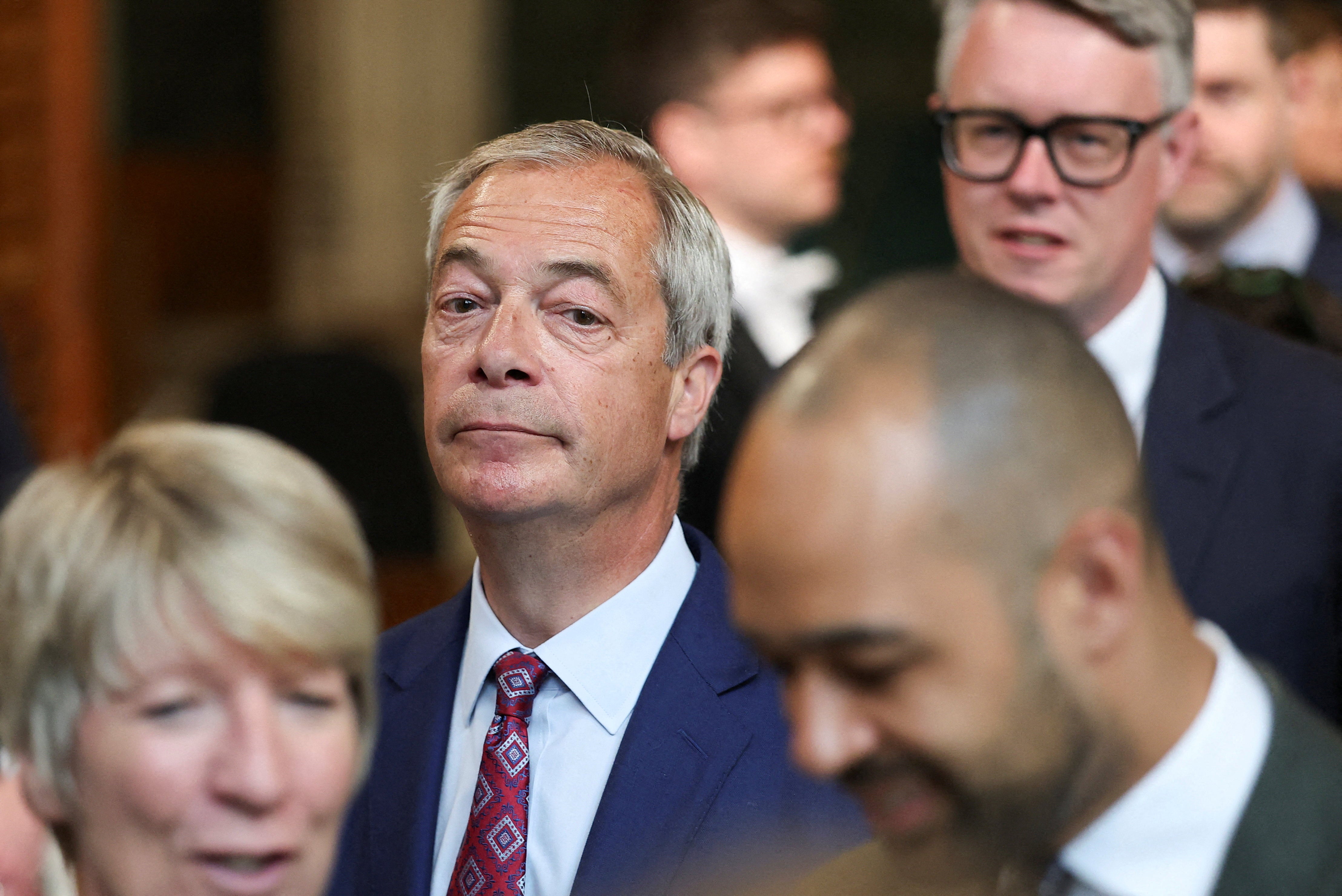
A Reform England MP has claimed details about Nigel Farage’s finances were obtained “illegally” after the party leader claimed a Russian hacker was responsible for exposing a £5 million donation he received from a billionaire.
“Forensic analysis” of Mr Farage’s phone by “counter-espionage experts” suggested that “hostile state actors, almost certainly linked to Moscow, used ‘spear phishing’ tactics to compromise his phone, email and bank accounts”, a party source told the Mail on Sunday.
Mr Farage told the paper: “These actions by Russia are deeply worrying and highlight the threat they pose to British security.”
But the Reform leader faces increasing pressure to prove his claim, which comes amid intensified scrutiny over a £5 million gift from Thailand-based crypto entrepreneur Christopher Harborne.
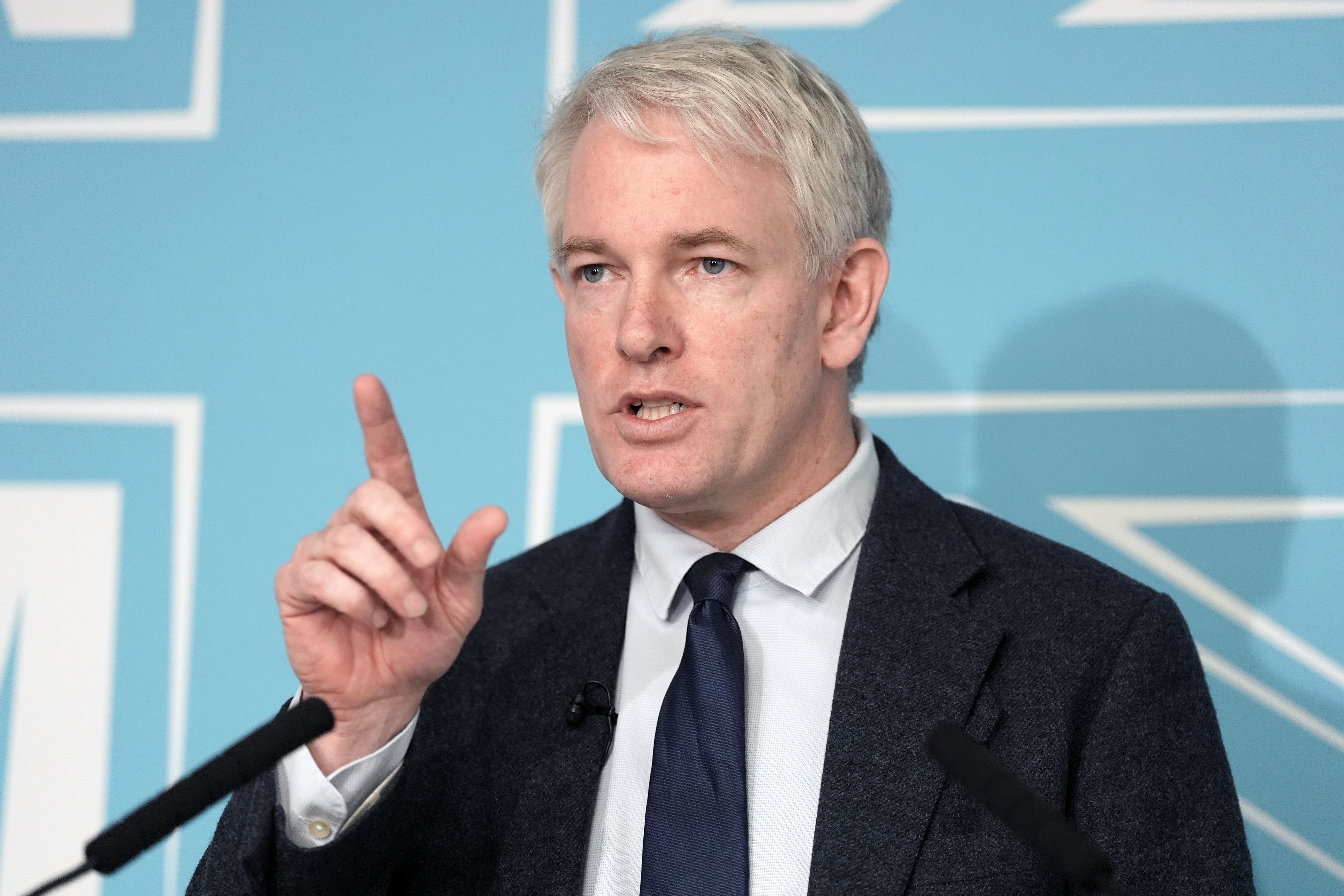
Reform MP Danny Kruger said on Monday he was unaware of whether Mr Farage reported the incident to the police or the National Cyber Security Centre, but argued that information about his financial affairs must have been accessed illegally.
Mr Kruger told BBC Radio 4’s Today programme: “It is clearly outrageous that a private gift, which was given in a perfectly legitimate manner before Nigel became a politician, was not expected to be made public, was leaked.
“The only way this could happen is for someone to act illegally, for someone to gain private information about Nigel’s finances.
“I think there needs to be some kind of investigation into this. I’m not sure how you would want to do that.”
Mr Farage was asked to pass any evidence to the security services.
A Labor spokesman said: “Russia’s interference in our politics is incredibly serious and all political parties have a responsibility to confront it head on and ensure that possible cases of foreign interference are investigated.
“Given the seriousness of these allegations, Nigel Farage needs to reassure the public that he has reported this to the security services.
“He also needs to finally clarify how his secret £5 million ‘gift’ from his crypto billionaire backer was spent and why he couldn’t declare it.
“With each passing day, Farage’s financial situation becomes darker and darker. He cannot continue to stonewall this issue and change his story. The British people will continue to believe they cannot trust a word he says.”
The disclosure of the £5 million gift prompted an investigation by Westminster’s standards watchdog into whether Mr Farage broke Commons rules by not declaring it after his election in 2024.
Mr Farage said the money was a “personal” gift he received before he decided to stand for Parliament again and was meant to be used for his private security for the rest of his life.
He later told The Sun it was his “reward for 27 years of campaigning for Brexit”.
Newly elected MPs are required to declare any gifts they received in the 12 months before their election, unless they “could reasonably be considered by others to be related to membership of the Parliament or an MP’s political activities”.
The Clacton MP also faced further calls for transparency earlier this month after it was reported that he had purchased a £1.4 million house in cash in 2024, shortly after receiving the gift from Mr Harborne.
He said the gift had nothing to do with the property purchase, which a party spokesman said was paid for by an appearance on ITV’s I’m a Celebrity. Get Me Out of Here! In 2023.
But analysis of Mr Farage’s company accounts showed they were “not consistent” with claims that fees from the reality show were used to buy the property, the Financial Times reported.
Reform UK has been contacted for comment.


