Millions of households now have ‘easier’ recycling rules – what you need to know

New rules on household waste and recycling have come into force across England, marking a significant effort to standardize collections across the country.
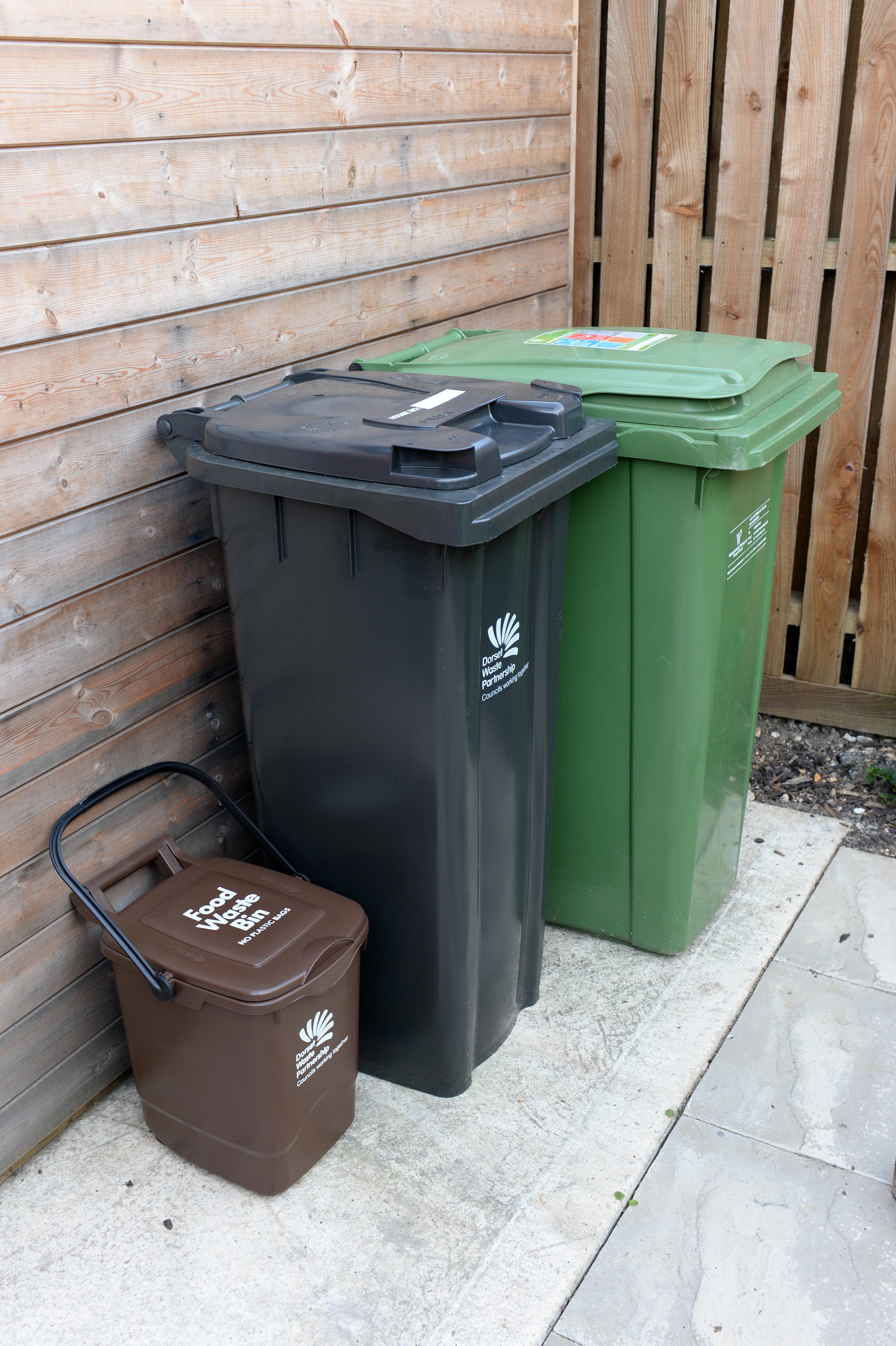
Starting Tuesday, households will now generally separate their waste into up to four separate bins.
These include special containers for food and garden waste, paper and cardboard, dry recyclables (such as glass, metal and plastic), and general non-recyclable rubbish.
In a move that offers local flexibility, paper and cardboard can be combined with other dry recyclables in certain areas, potentially reducing the number of bins to three.
The initiative aims to replace previous “confusing bits of system” that arose from local councils setting their own collection methods.
Ministers stated that this flexibility would allow local authorities to provide the most appropriate services to their communities.
The government claims the new regulations will streamline sorting and collection across the country, ultimately enabling greater quantities of high-quality recycled materials to be processed domestically and used by manufacturers for new products.
It is hoped the rules will also reduce planet-warming carbon emissions by burning less rubbish, support the growth of the UK’s reprocessing industry and reduce other environmental and social impacts of waste disposal.
Circular economy minister Mary Creagh said: “We are ending the bin collection postcode lottery and making it easier for people to recycle wherever they live.
“Simplifying these rules will cut carbon, clean up our streets and help restore pride to our communities.
“We will continue to work hand in hand with local areas to deliver these changes and ensure there is more recycled content in the products we buy.”
This comes as part of wider Government efforts to strengthen a circular economy in the UK to make resources last longer, reduce waste and support green growth through infrastructure and business investment.
The government has also introduced an extended producer responsibility scheme under which packaging manufacturers will pay fees to cover recycling or waste management costs.

It also plans to launch a delayed deposit refund program in 2027, where consumers pay a small deposit when purchasing drinks in plastic bottles or metal cans and the empty packaging is refunded when returned to retailers.
The government said additional support would be provided to support some local authorities with region-specific delivery challenges, such as agreed transitional arrangements allowing for a later implementation date.
Ministers added that more than £78bn has been transferred to councils in England this year, including funding to introduce weekly food waste collections for all households.
This is alongside £340 million to support councils as they prepare for new collections.
Households can find out how their council has published the new rules at gov.uk/recycling-collections.


