Why has Andrew Mountbatten-Windsor been arrested and what does ‘misconduct in public office’ mean?

Andrew Mountbatten-Windsor has been arrested on suspicion of abuse of public office over allegations he leaked confidential documents to pedophile financier Jeffrey Epstein.
Thames Valley Police confirmed the arrest on Thursday, his 66th birthday, following allegations that the former prince shared sensitive information with Epstein while serving as Britain’s trade envoy, revealed in the latest installment of the Epstein files.
The news came as images circulated online showing unmarked police cars and plainclothes officers gathered outside Wood Farm, where Mr Mountbatten-Windsor lives on the King’s Sandringham Estate in Norfolk.
Thames Valley Police previously said police were also looking into allegations that a woman was trafficked to England by Epstein to have sex with Mr Mountbatten-Windsor.
The former duke became the first senior royal to be arrested in modern history. Police commentator Danny Shaw said the maximum period Mr Mountbatten-Windsor could be held by police was 96 hours, but this would require multiple police extensions and magistrates’ court approval.
He told the BBC that the former prince would be held “in a cell in the detention room” with only “a bed and a toilet” and await police questioning.
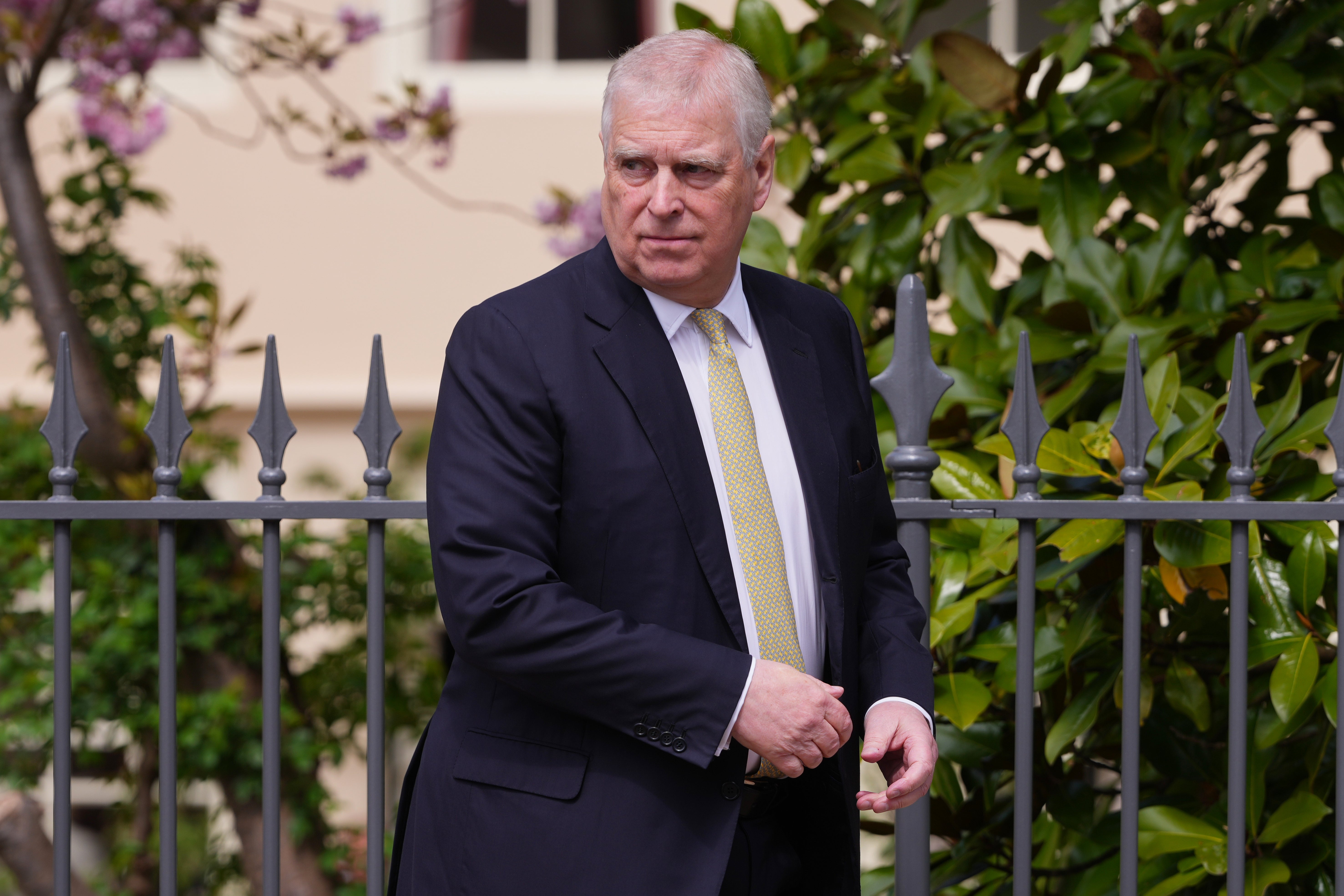
What is misconduct in public office?
According to the Crown Prosecution Service (CPS), misconduct in public office is a common law offense and carries a maximum sentence of life imprisonment.
Individuals can be held liable for this duty if the matter concerns “intentionally serious abuse or neglect of the powers or responsibilities of public office held.”
The CPS also states that “there must be a direct link between the misconduct and the abuse of those powers or responsibilities”.
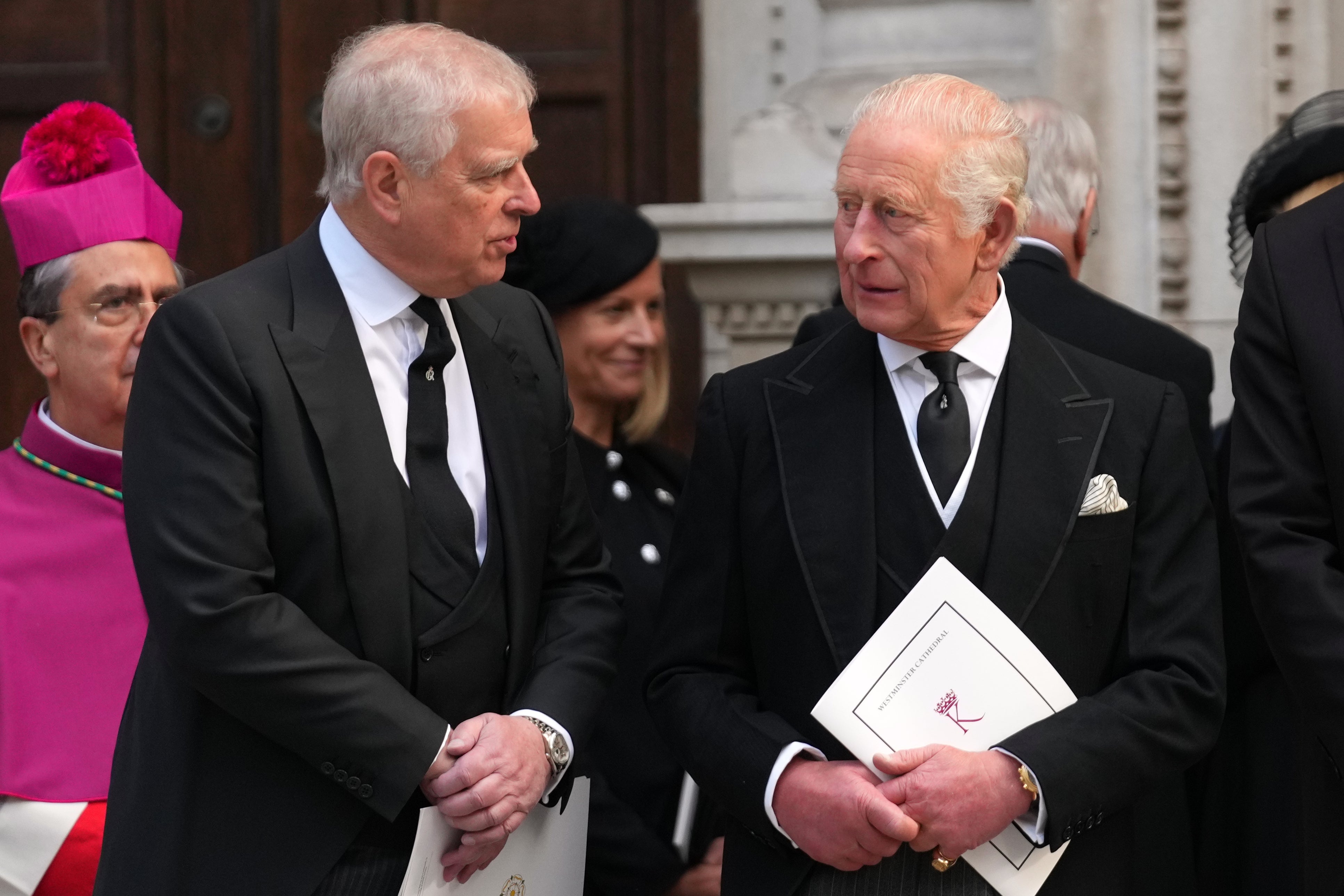
Simarjot Singh Judge, managing partner Judge LawHe said: “Misconduct in public office is a serious common law offense that requires prosecutors to prove that a public official deliberately breached his duty in a way that constituted a serious abuse of public trust.”
He said: “It is not enough for there to be an error of judgment; the conduct must be deliberate and sufficiently serious.”
While an arrest is an important step, it does not mean Mr Mountbatten-Windsor will face charges and is not a finding of guilt.
To secure a conviction, prosecutors will need to prove that the person was acting in an official capacity and that the alleged misconduct was intentional.

Does royal status protect him?
Mr Mountbatten-Windsor’s former royal status and position as the King’s brother will not provide him with any legal immunity from the criminal justice system.
If he were to be accused of abuse of public office, the case would proceed as usual in the courts.


