Scientists make ‘striking’ discovery about what mental health conditions do to your brain

Young people diagnosed with four common psychiatric disorders, including anxiety, depression, attention deficit hyperactivity disorder and conduct disorder, show “strikingly similar” structural changes in their brains, according to a new study.
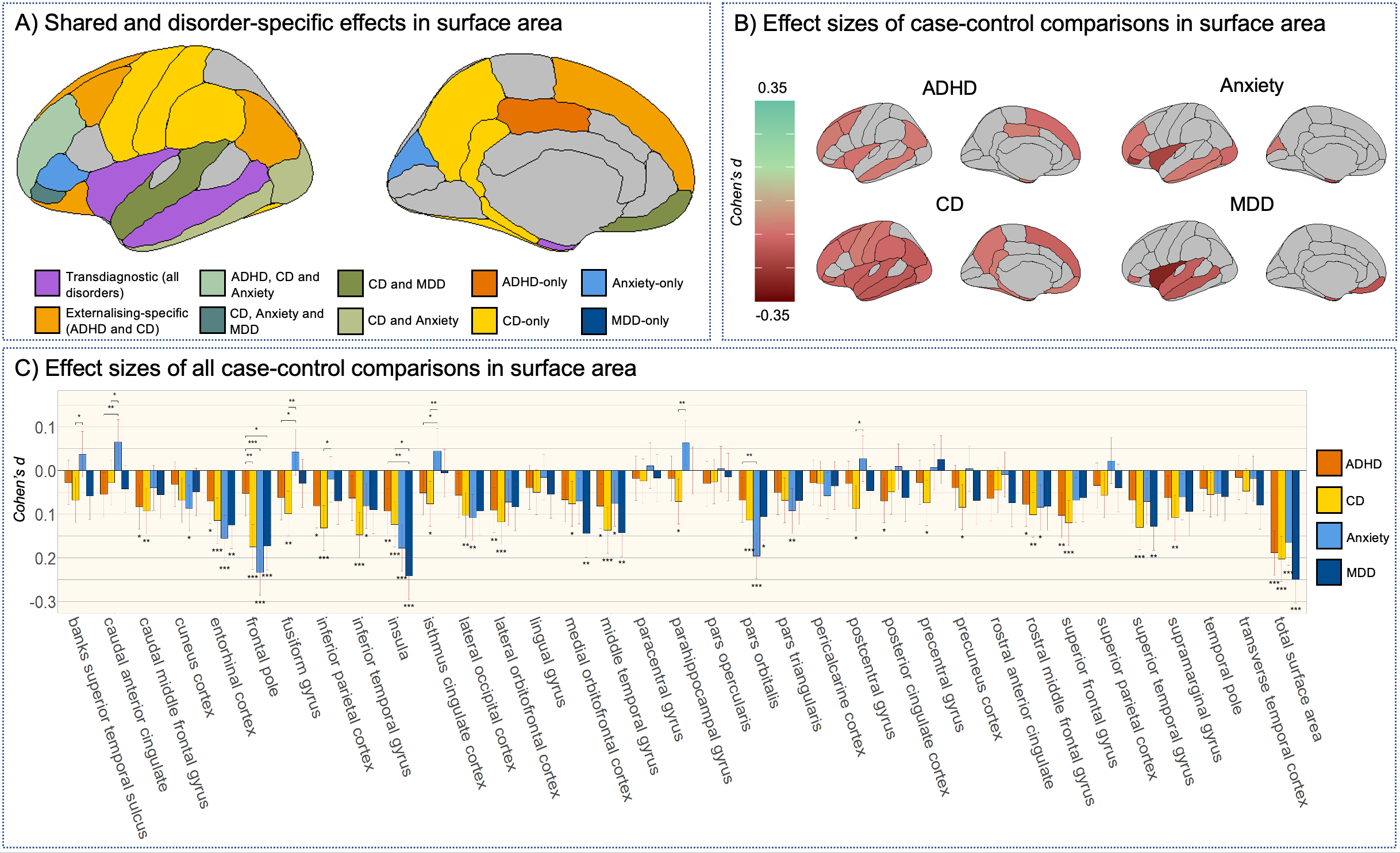
Brains with any of the four conditions tended to have reduced surface area in regions responsible for processing emotions, responding to threats, and maintaining awareness of bodily states.
The University of Bath conducted the largest international study of its kind, analyzing brain scans of nearly 9,000 children and young people; about half of them were diagnosed with a mental health problem.
The findings were published in the journal Biological Psychiatry The journal’s studies on this topic are important because they suggest that mental health disorders should not be studied in isolation, as they have traditionally been, because analyzing them simultaneously opens the door to treatment strategies for multiple conditions.
The principal investigator of the study, Dr. Sophie Townend said: “Our research shows that, although they look very different, the four most common mental health conditions in childhood and adolescence are very similar at a brain level. This suggests we can develop treatment or prevention strategies to help young people with a range of common disorders.”
The research team also found that boys and girls are more similar to each other than previously thought, as they experience similar changes in brain structure along with the same mental health disorders. This was surprising, given that previous studies, albeit much smaller, had suggested that boys and girls with the same disorder might show different changes in brain structure.
This is despite significant evidence showing that ADHD and conduct disorder are more common in boys, while depression and anxiety are more common in teenage girls.
Professor Stephane De Brito from the University of Birmingham, who contributed to the research, said: “While we can at this point say that the brain plays a role in all four of the disorders we examined, it seems unlikely that these changes in brain structure can explain why there are significant gender differences in the incidence of these disorders.
“This means we may need to look at other factors, such as the child’s early environment or experiences, that may interact with changes in the structure or function of the brain to increase the risk of developing disorders.”
The study brought together 68 international research groups on five continents from the ENIGMA Consortium, a global alliance group of scientists specializing in understanding brain structure and genetic studies.
Generalized anxiety disorder is defined as feelings of stress or worry that interfere with your daily life and are difficult to control. The NHS says symptoms include difficulty sleeping, restlessness, irritability or difficulty concentrating and tiring easily.
Depression is defined as: sadness, despair, and loss of interest in things you used to enjoy. The NHS says symptoms include persistent sadness, feelings of hopelessness and low self-esteem. These symptoms may persist for weeks or months and may worsen to the point that they affect your work, social, and family life.
ADHD It is defined as a person’s ability to pay attention to events, have a high energy level (hyperactive) and the ability to control their impulses. Symptoms of ADHD usually start before the age of 12 and include being easily distracted, difficulty listening or following instructions and forgetting daily tasks, according to the NHS.
Conduct disorder is defined as a repetitive and persistent pattern of behavior in which social norms, rules, or laws are violated. Symptoms may include aggression towards people or animals, destruction of property, trickery, and theft.


