‘Serious threat’ warning as Asian hornets found in part of UK for first time

The first sighting of the Asian Hornet in Northern Ireland has been confirmed and the public has been called for greater warning.
The Northern Ireland Environment Agency (NIEA) said the Asian Hornet was captured by a member of the public in the Dundonald area of Belfast on Friday.
The Asian Hornet, also known as the yellow-legged hornet, is a harmful invasive species originating from East Asia that was first recorded in Europe in 2004.
While single bugs and nests are increasingly being recorded in the southern counties of England, two nests were found and destroyed in the Cork area earlier this summer.
Northern Ireland Secretary for Agriculture, Environment and Rural Affairs (DAERA) Andrew Muir said: “This is a pest species and I do not want to see it established in Northern Ireland because it poses a serious threat to both biosecurity and local ecology, particularly valuable pollinating insects.
“On the available evidence this is a lone Asian hornet, but the Department’s response is ongoing to ensure no other Asian hornets are present. I am grateful to the Dundonald homeowner who captured and reported the Asian hornet and urge the public to remain alert to the potential presence of this insect.”
Like bees, Asian hornet stings can cause painful and potentially life-threatening allergic reactions, but these insects pose a greater risk to the insect population in the UK.
The species is described as a “highly effective” predator of insects, including other important pollinators such as honeybees, wasps and hoverflies. Due to its aggressive nature and feeding habits, it is feared it could have a serious impact on native insect biodiversity and wider pollination services.
Figures released last month show that 429 credible sightings and 112 nests were reported by the National Bee Unit (NBU) in the UK as of September 11.
This is an increase from last year, when there were 71 credible sightings and 24 nests, and 2023, when there were 72 sightings and 56 nests.
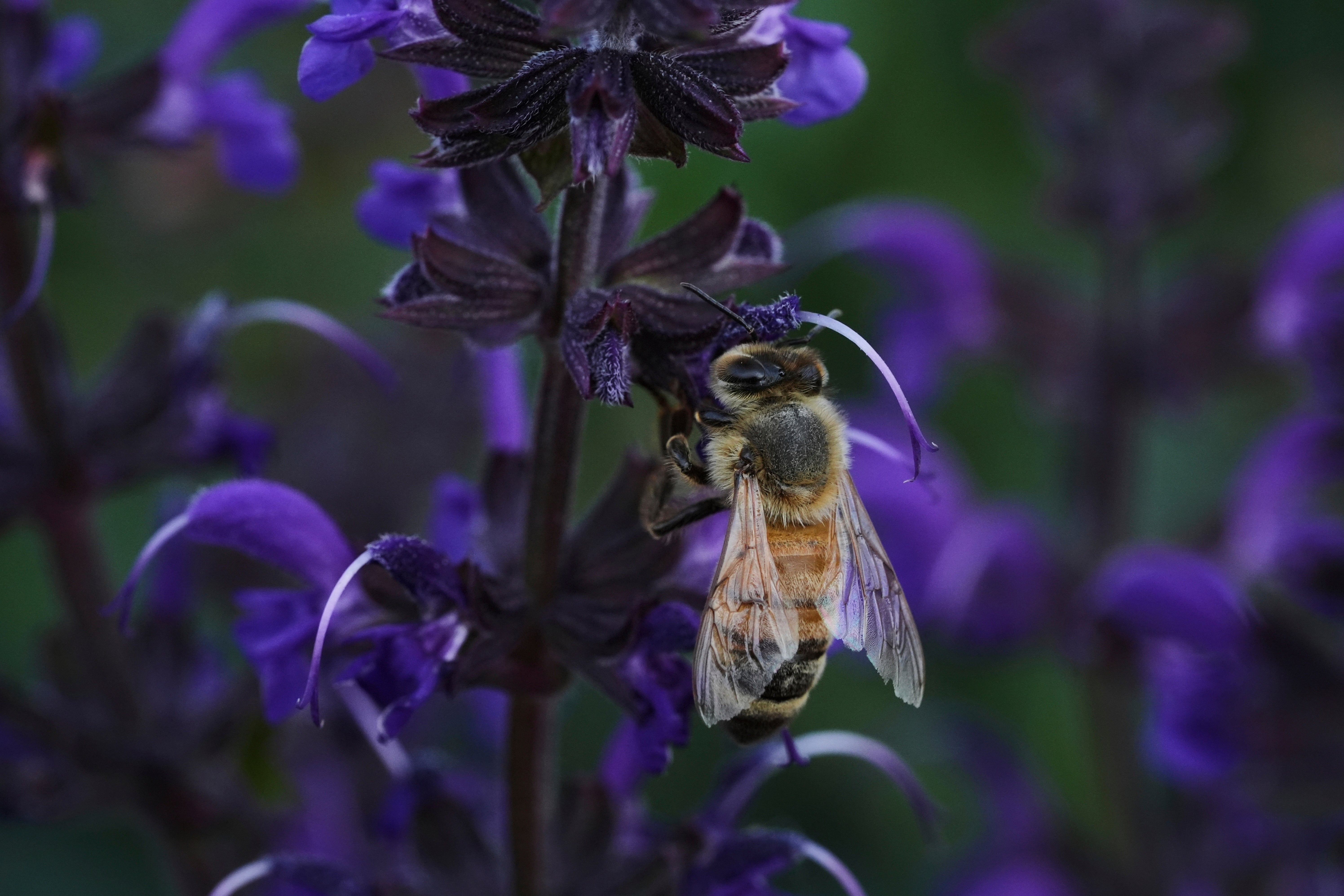
A hornet’s nest can contain thousands of insects; a particularly large one has the potential to accommodate between 5,000 and 6,000.
According to the government, there have been a total of 191 confirmed yellow-legged hornet nests since 2016, and all of them have been destroyed.
NIEA officials have launched a monitoring program that includes specialized equipment and live traps to confirm whether the last sightings were just one hornet or an entire nest.
If more hornets are found, DAERA said “intensive monitoring” will continue to remove nests and ensure there are no more insects left.
It also urges the public to “exercise caution” and report suspicious insects “immediately”, but warns that suspicious nests should not be disturbed.
Reports, ideally including a photograph, can be made to DAERA via the Asian Hornet Watch app at https://www.brc.ac.uk/app/asian-hornet-watch or via the CEDaR invasive species online register at http://www2.habitas.org.uk/records/ISI.


