Super sales, pop giants get national economy rocking

Australians spent big on Black Friday sales and concerts, pushing household spending to the highest annual level in more than two years.
Household spending increased by one per cent in November, meaning the figure was 6.3 per cent higher than the same period the previous year, the Australian Bureau of Statistics said on Monday.
This is the highest annual growth rate since September 2023.
The numbers point to continued strength in the country’s economic recovery; For the Reserve Bank of Australia, it’s more evidence that the economy doesn’t need more monetary stimulus.
The result was above expectations, with forecasters’ consensus predicting 0.6 percent growth.
The focus will be on whether the broad-based increase in spending in October will be sustained, NAB’s economic team said in a research note ahead of the announcement.
ABS head of business statistics Tom Lay said spending growth was broad-based in November, with eight out of nine spending categories increasing.
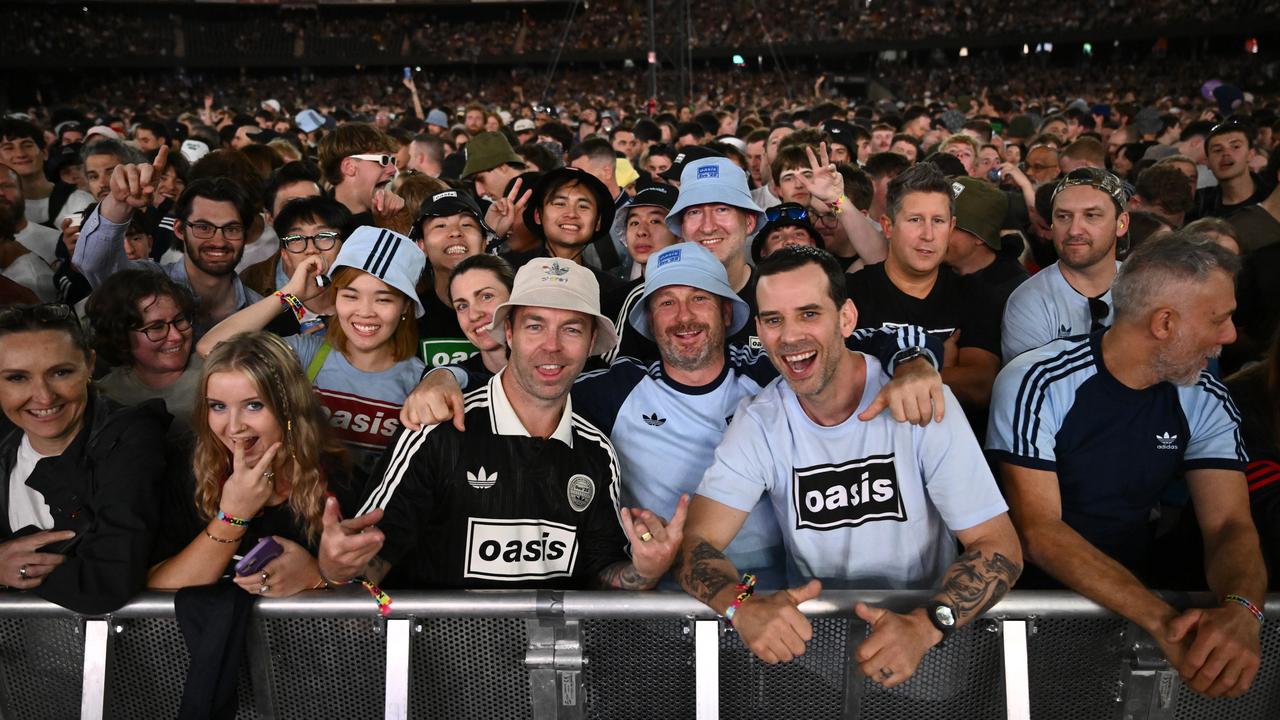
“Service spending rose 1.2 percent due to major events, including concerts and sporting events. These events are linked to higher spending on food and beverage, transportation, entertainment and cultural activities,” he said.
“The 0.9 percent increase in merchandise spending was driven by Black Friday sales. Clothing, shoes, furniture and electronics saw the biggest gains as consumers took advantage of widespread discounts.”
Britpop giants Oasis played sold-out shows in Melbourne and Sydney throughout the month, and a record crowd turned out for the opening Ashes Test in Perth, although attendance would have been higher if it had lasted more than two days.
The biggest increase was seen in furniture and household goods with an increase of 2.2 percent, while clothing and shoe expenditures increased by 2 percent and entertainment and culture expenditures increased by 1.7 percent.
While every state and territory recorded growth of at least 0.5 per cent, Tasmania experienced the largest increase of 2.1 per cent.
Discretionary expenditures increased by 1.2 percent on a monthly basis, outpacing basic needs expenditures, which increased by 0.7 percent.
Harry Murphy Cruise, head of economic research and global trade at Oxford Economics Australia, said the outlook for spending for people owning direct homes remained strong.
But he said mortgage holders and renters faced tighter budgets and weaker confidence.
“This will see steady but not extraordinary overall spending growth throughout this year.”

Australia’s Associated Press is the beating heart of Australian news. AAP is Australia’s only independent national news channel and has been providing accurate, reliable and fast-paced news content to the media industry, government and corporate sector for 85 years. We inform Australia.


