Waymo Pulled Its Robotaxis Off San Francisco Streets—Again
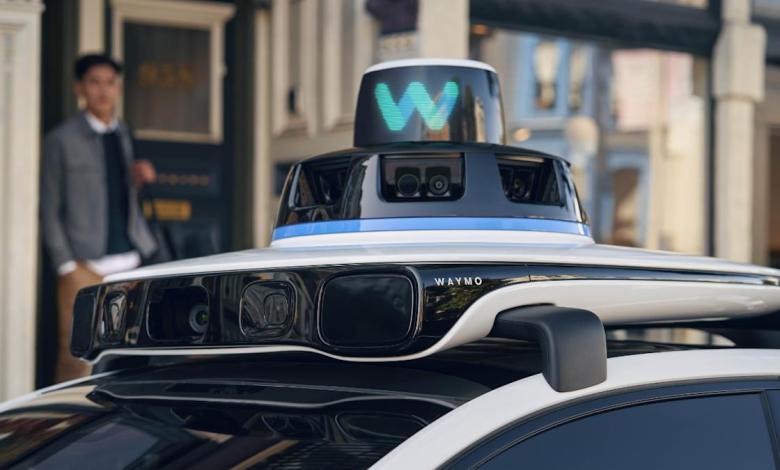
SAN FRANCISCO — On Christmas Day, as a powerful Pacific storm brought heavy rain and flash flood warnings across the Bay Area, ridehailing giant Waymo once again temporarily suspended its fully autonomous robotaxi service in San Francisco and surrounding communities.
The pause, delivered to customers via the Waymo app in a brief warning referencing the National Weather Service’s flash flood warning, follows the growing pains and public safety issues autonomous vehicles face as they scale into complex urban environments.
The service outage comes amid a broader atmospheric river system threatening Northern California with heavy rains, damaging winds and ongoing flood and tornado warnings; The weather conditions have already led to localized flooding, downed trees and travel delays across the region on one of the busiest travel weekends of the year.
Second Outage in a Week
Image Credit: Daniel Ramirez from Honolulu, USA, CC BY 2.0, Wikimedia.
This latest pause is not an isolated glitch: Earlier in the week, a massive power outage triggered by a fire at the Pacific Gas and Electric substation knocked out power to roughly a third of San Francisco, leaving tens of thousands of homes in the dark and hundreds of Waymo vehicles stalled in traffic.
During that power outage, which disabled traffic signals in the city, Waymo’s autonomous cars treated inoperative lights as four-way stops (their standard programming), but in many cases requested remote “verification checks” from fleet operators before continuing.
Videos shared widely on social media showed the robotax idling at intersections, hazard lights flashing and contributing to traffic jams as frustrated human drivers maneuvered around them. City officials, including San Francisco Mayor Daniel Lurie, called on the company to evacuate its vehicles so emergency responders could operate more effectively during the outage.
Waymo’s response to this incident was to temporarily suspend service until power was restored and traffic signals were back in place Saturday evening. The company said it was working closely with government and emergency management officials on the outage, but acknowledged that the extent of the outage had overwhelmed its systems.
Waymo has since started rolling out Fleet-wide software updates It aims to give its autonomous vehicles a better context for dealing with major infrastructure failures, enabling more stable navigation at dark intersections without over-reliance on remote human confirmation checks that could prevent the system from responding in the event of mass outages.
Technology Meets Nature

Image Credit: Jonathan Hutchins, CC BY-SA 2.0, Wikimedia.
The intersection of extreme weather and autonomous technology is now at the center of discussions in news circles about how robotaxi systems handle real-world emergencies. Severe weather conditions, power outages, and other unusual road conditions are extreme situations that challenge even the most advanced AI driving systems.
Analysts covering the outage in December wrote: “Malfunctioning infrastructure such as dead traffic lights during a power outage should be a routine problem for driverless cars, but the incident highlighted potential safety risks if robotaxis lose communication with their remote human operators.” axios) noted that in a major natural disaster such as an earthquake or flood, a frozen fleet of autonomous vehicles could hinder emergency response.
San Francisco regulators, including the California Public Utilities Commission and the Department of Motor Vehicles, said they were reviewing the blackout incident for its impact on future robotaxi operations.
Public Trust and Policy Pressure
Public sentiment in the city is mixed. While autonomous taxis promise reduced accidents and increased mobility (Waymo says its vehicles have logged millions of autonomous miles with safety improvements compared to human drivers), the optics of stalled robotaxis during a major outage have reignited doubts about whether they’re ready for widespread urban deployment.
City officials and transportation advocates are now asking meaningful questions: What systems are in place to proactively get vehicles off busy roads? How should autonomous fleets behave during severe weather warnings? What regulatory conditions should govern the intensity and timing of robotaxi operations in dense, infrastructure-dependent urban centers?
One transit expert quoted on LinkedIn suggested regulators and industry partners re-evaluate how many autonomous vehicles are allowed on city streets and ensure robust protocols for weather and emergency scenarios (possibly including backup human intervention) before full-scale deployment. “I think we need to ask ‘what is a reasonable number of people?’ [autonomous vehicles] Will it be on city streets depending on the time of day, geography, and weather?’” they said.
Waymo’s Christmas Day pause as the winter storm continues to impact the Bay Area underscores a critical truth about autonomous systems: Despite billions of miles of development and machine learning, they still operate within (and depend on) a flawed human infrastructure. Technology may be autonomous, but the environment it must navigate is far from predictable.


