The UK doesn’t have only two days’ supply of gas left: Here’s why you shouldn’t panic

A government minister has criticized “dangerous fear-mongering” after claims the UK had only two days’ worth of gas stored despite threats of cuts arising from the US-Iran conflict.
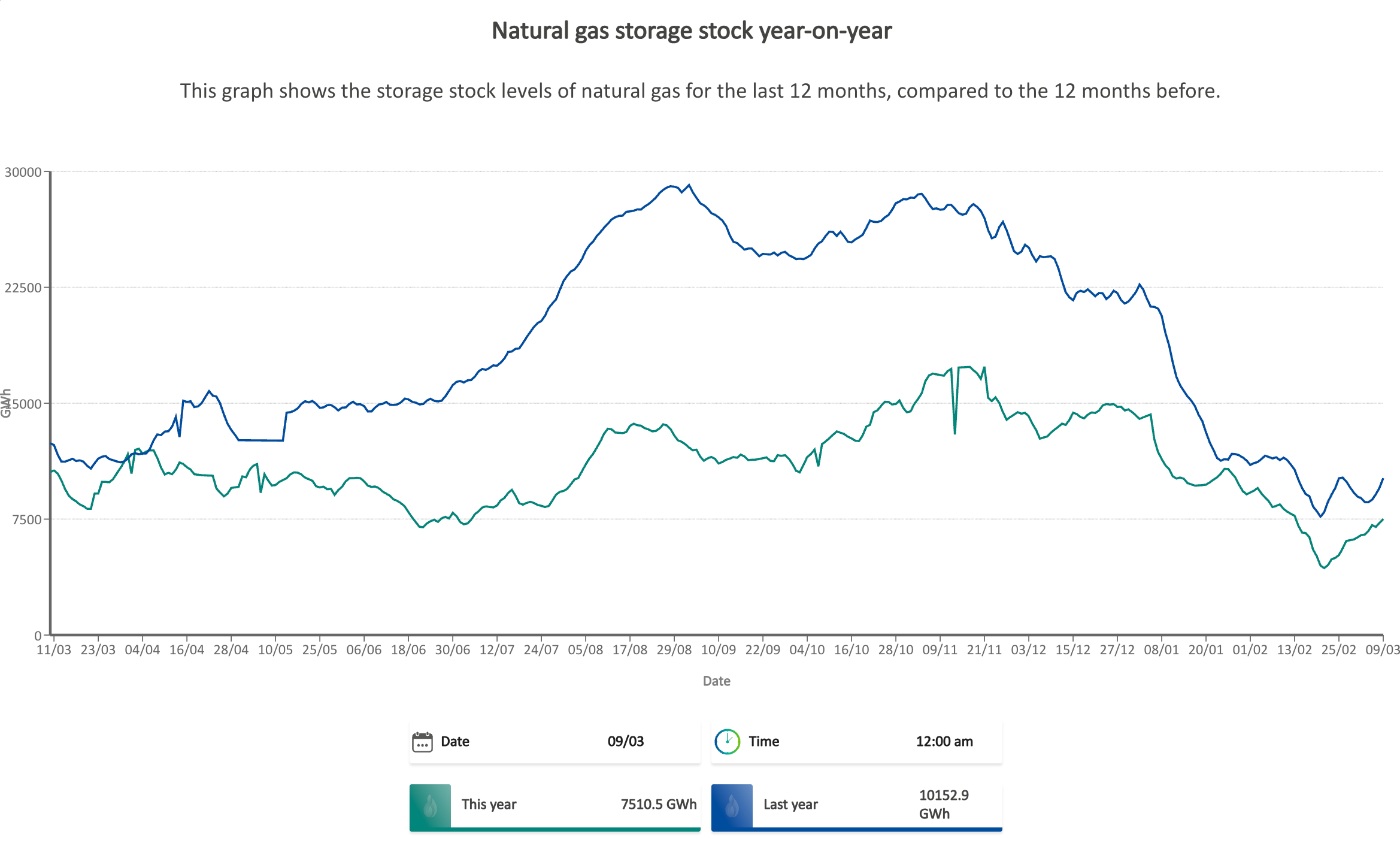
The reports emerged following analysis of data from National Gas, which owns and operates the country’s gas transmission system, showing it had 6,999 gigawatt hours (GWh) of fossil gas stored on Saturday. This is down from 9,105 GWh the previous year.
These claims are based on some small facts: if the UK used only the gas currently in storage without replenishment, it would run out in about 3.5 days (based on an average daily nationwide use of 2,000 GWh).
But the increase in storage to 7,510 GWh on Tuesday suggests that the claims are perhaps not as alarming as they seem.
In practice, the UK’s gas supply is constantly replenished from Norwegian pipelines, domestic production in the North Sea and imports of liquefied natural gas (LNG), rather than simply taken from storage.
The most important function of gas in the UK is heating, providing warmth to over 20 million UK homes using gas heating systems. It is also used to help generate electricity.
During warmer months, gas stocks tend to go into storage when imports exceed demand. In winter, the opposite is true, as the warehouses created usually meet the increased demand.
A National Gas spokesman said: “The UK’s gas storage levels are broadly in line with what we would expect at this point in the year and are comparable to this time last year. It is important to remember that storage makes up only a small part of Britain’s diverse gas supply mix. “Most of our gas comes from the UK continental shelf and Norway, complemented by LNG, interconnections with continental Europe and storage.
“Great Britain benefits from a wide range of supply sources that the market taps into every day. Together, these provide the flexibility needed to reliably balance supply and demand throughout the year.”
Meanwhile, Energy Minister Michael Shanks commented on Monday: “Reports of gas shortages are categorically false and lead to dangerous scares.”
This doesn’t mean there isn’t any pressure on the UK’s gas supply. Conflict in the Middle East has caused the wholesale gas rate to nearly double as key trade routes are blocked by the threat of military action.
After the United States and Israel attacked Iran on February 28, conflict spread throughout the region, followed by retaliatory Iranian attacks on targets in the United Arab Emirates (UAE), Qatar, Bahrain, Jordan and Iraq.
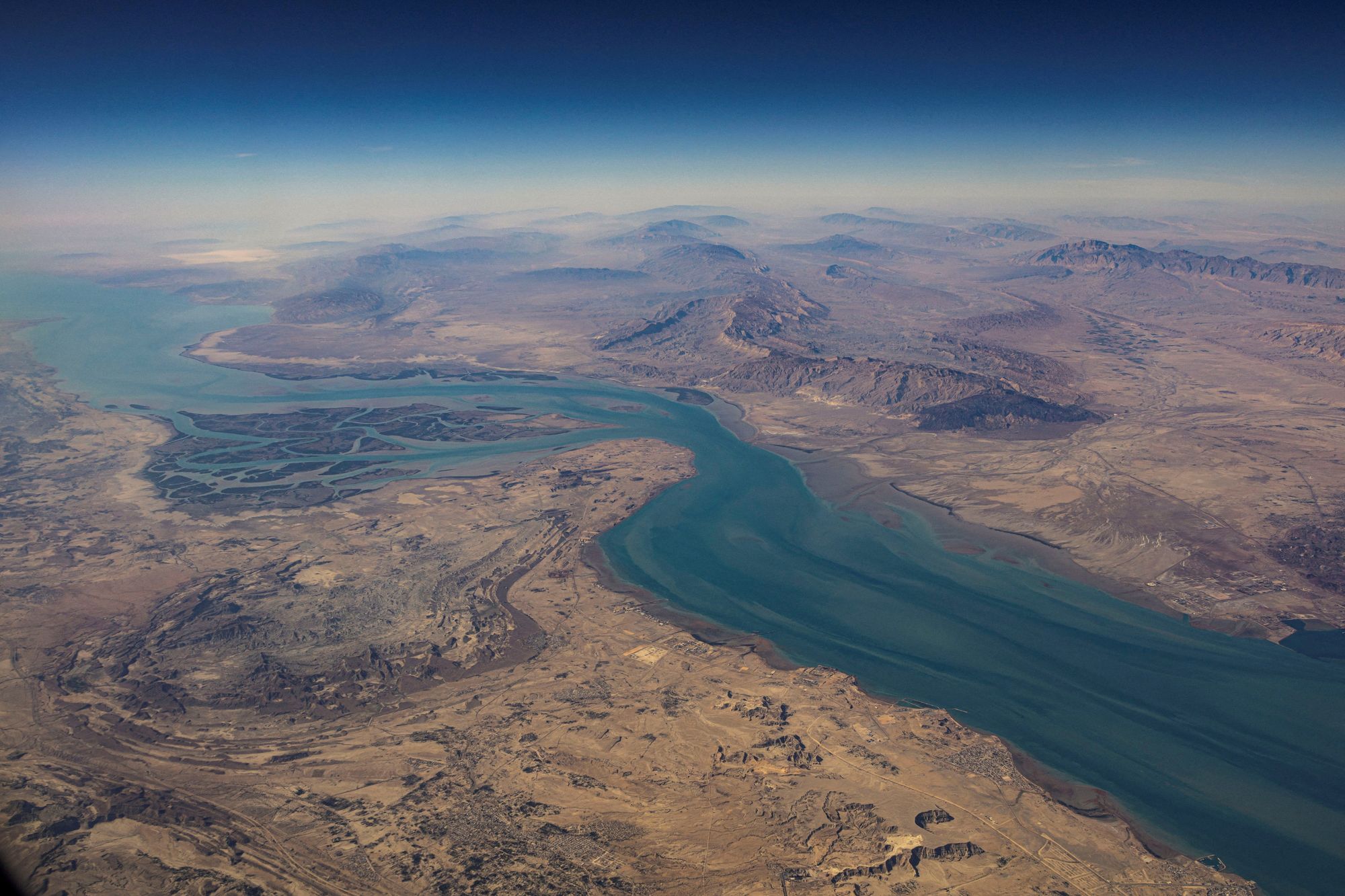
As America and Israel continue airstrikes on Iranian targets, explosions continue to be reported across the region. As the conflict escalated, Iran warned that it would “set fire” to any ships attempting to pass through the Strait of Hormuz.
The strait provides the only passage from the Persian Gulf to the open ocean, making it a crucial point for the oil industry. Approximately 20 percent of the world’s gas and oil is transported by water, and the Iranian threat is causing great damage to global trade.
Qatar also shut down the world’s largest LNG facility last week following a drone attack, sparking a further rise in gas prices.
Greg Jackson, chief executive of Octopus Energy, recently warned that this was throwing the energy market into “turmoil”. While UK households are largely protected under Ofgem’s energy price cap until July, there are fears that new pressures could cause energy bills to rise if the conflict subsides soon.
A Department for Energy Security and Net Zero spokesman said: “It is simply not true that the UK only has access to a two-day supply of gas. We have a diverse energy mix and we are confident in our security of supply.”
“As we transition to safer, cleaner domestic energy, gas will continue to play a key role in our diverse and resilient energy system. We are working with industry to ensure the gas system is fit for the future, including maintaining security of supply in the rarest of scenarios.”


