UK councils issue emergency bailouts warning despite new government funding

Almost half of local authorities responsible for delivering key social care services are set to receive emergency financial help from the government in the next three years, a new survey reveals.
This stark forecast signals a deepening crisis in essential public services and threatens to undermine support for the most vulnerable.
Despite recent increases in funding and the stability offered by three-year financial agreements, councils report that rising demand and rising operational costs are expected to jeopardize frontline provision.
The Local Government Association (LGA) warns this will inevitably impact neighborhood services, reduce investment in preventative measures and intensify pressure on those who rely heavily on local support, leaving communities feeling neglected.
The LGA’s survey found that 34 per cent of all councils across the country have either already applied for, or are likely to seek, extraordinary financial support (EFS) in at least one financial year to 2028-29.
This figure rises sharply to 47 per cent when focusing on top-tier councils, which have primary responsibility for adult and children’s social care.
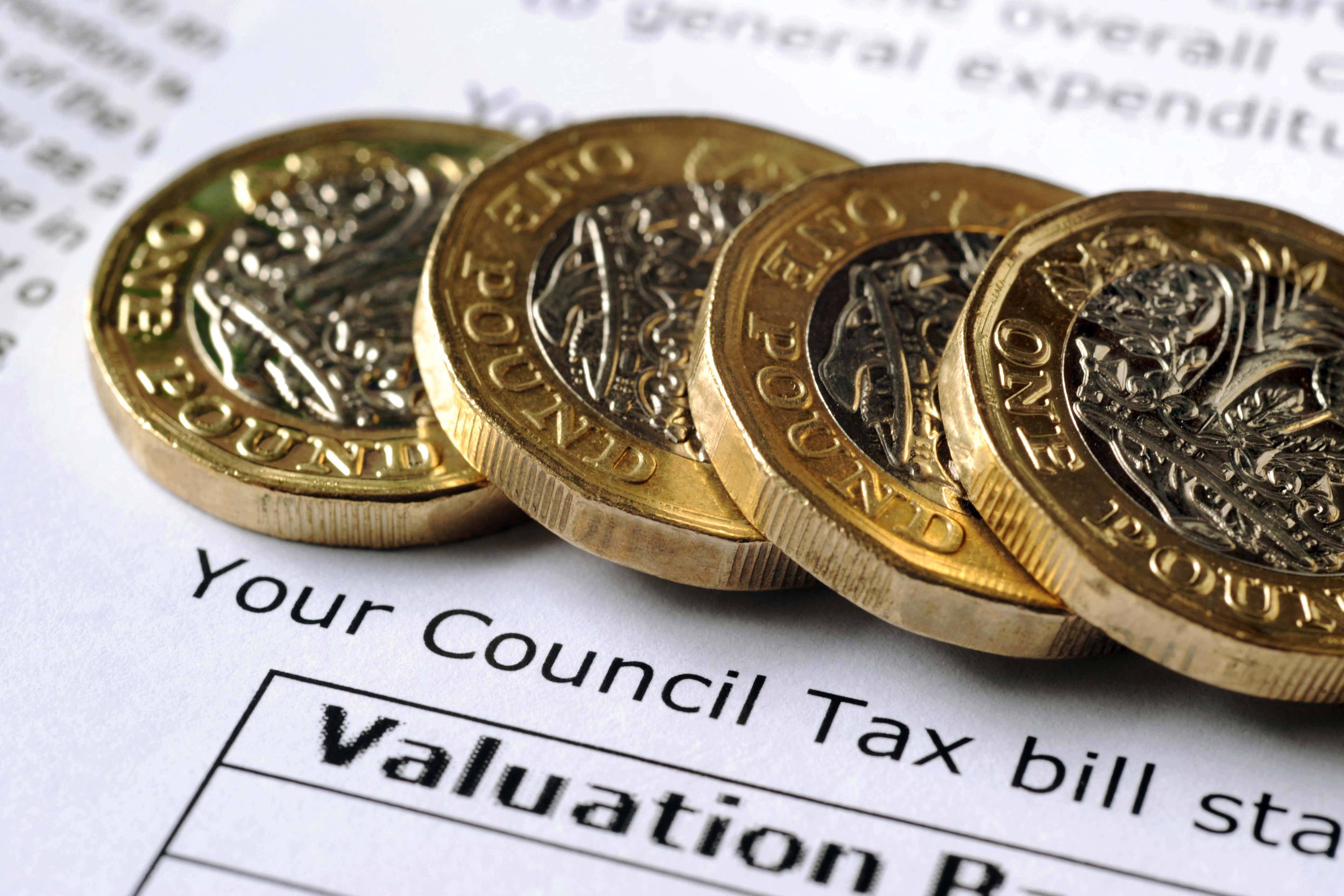
EFS mechanisms allow municipalities to cover their daily expenses through borrowing or capital gains; Some are even allowed to exceed the standard 4.99 per cent council tax increase limit.
The government will publish the final agreement for councils for 2026-27 on Monday, but many local authorities fear their finances will be hit by proposed changes to funding allocation following a review aimed at directing resources to poorer areas.
The LGA insisted that the EFS process was not a sustainable way of managing council finances and addressing gaps in funding.
The survey also showed 69 per cent of all councils said it would be difficult to set a balanced budget as required by law in 2026-27.
When financial officers were asked how confident they were that their council would have sufficient funding to meet all statutory duties in each of the three financial years, 51 per cent said they were not confident, rising to 66 per cent for social care councils.
Commenting on the findings, LGA chief executive Louise Gittins said: “This research underlines the reality facing councils.
“Councils are doing all they can to protect the services people rely on, but demand and costs continue to rise faster than funding, leaving many with no choice but to consider emergency financial support.
“Short-term fixes will not solve these challenges.
“Councils need sustainable funding and reform so they can focus on prevention, growth and delivering the services communities expect.”

The LGA has said that without significant reforms to the system, four out of five senior councils in England will be effectively driven into bankruptcy by increasing special educational needs and disability (Send) spending.
There are calls for ministers to clear the backlogged Delivery gaps on councils’ books under current arrangements.
The government is expected to publish an education White Paper on the overhaul of the Send system in the coming weeks.
The LGA said 95 per cent of top-tier councils had Send deficits, while four fifths reported having to cut services to secure loans to cover the day-to-day costs of covering Send overspend.
A spokesman for the Department for Housing, Communities and Local Government said: “We have inherited an outdated and unfair funding system and we are taking action to fix it and will set aside almost £78bn for council funding next year.
“By targeting money where it is needed most through the first multi-year solution in a decade, we are delivering fairer funding and giving councils greater certainty to plan and invest for the long term.
“This will help councils deliver the high-quality public services local people need.”

Unite general secretary Sharon Graham said: “This report should act as a wake-up call for the government. When councils go bankrupt, workers and communities pay the price.”
“We have seen time and time again that councils have taken action to cut jobs and services. This is austerity by another name.”
“We need real investment in our public services and this needs to be paid for through a wealth tax and local government debt relief.”
GMB national secretary Rachel Harrison said: “Fourteen years of Tory underfunding has had devastating effects on local government services and staff.
“This year’s pay offer needs to be fully funded for all councils and schools to ensure there are no further service cuts and job losses to close funding gaps.”


