‘Unconscious bias’ led to Met Police David Carrick investigation failure, tribunal hears

A Metropolitan Police detective faces allegations he failed to properly supervise the investigation into serial rapist David Carrick, while a court is hearing allegations of “unconscious bias” linked to the victim’s race and gender.
Carrick, 51, a former armed officer with the force, is known as one of the UK’s most prolific sex offenders and is currently serving 37 life sentences for attacking more than a dozen women.
The misconduct hearing in south London on Monday heard Detective Sergeant Ray Mackennon, who was tasked with investigating Carrick in August 2021, was assigned to duty as Constable A. The appointment came after a woman reported to police that Carrick anally raped her multiple times throughout their five-month relationship. Det Sgt Mackennon denies the charge that Constable A failed to adequately investigate the woman’s serious allegations against Carrick.
Kevin Saunders, of the relevant authority, said: “The relevant authority submits that the relevant officer’s failings were attributed, in whole or in part, to unconscious or conscious bias in relation to Woman E’s gender or race.”
The woman, known as Woman E, later told police she wanted to stop the criminal investigation into Carrick, who was a serving police officer at the time, because she did not feel “mentally strong enough” to continue, the misconduct panel heard.
Mr Saunders told the hearing that this was not a retraction of the woman’s claim, but rather an expression of “unwillingness or reluctance” to continue the investigation.
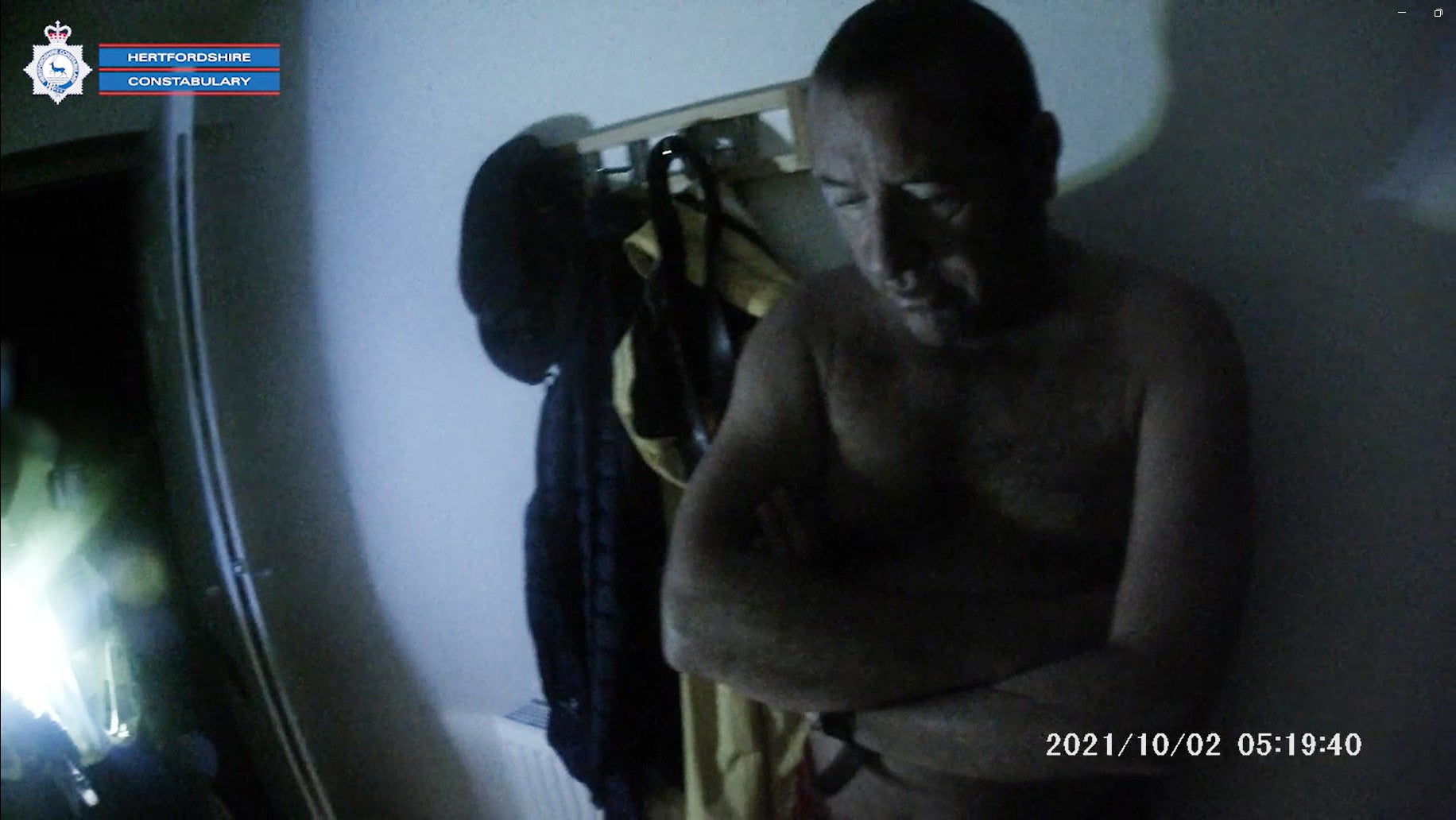
Mr Saunders said the detective failed to ensure or direct Constable A to contact other witnesses in the matter, failed to ensure that Constable A adequately investigated “derogatory, misogynistic, sexualized and grossly offensive Facebook messages” between Carrick and Woman E’s partner, and failed to contact Woman E himself.
The hearing was told that during a police interview Det Sgt Mackennon “heavily criticized Woman E’s credibility due to perceived inconsistencies” and “repeatedly referred” to her immigration status.
Mr Saunders told the hearing that Det Sgt Mackennon also directed the use of “an inadequate and simplified investigation that concluded former constable Carrick did not have a case to answer” and for Constable A to complete a “streamlined conclusion report”.
“The AA (appropriate authority) maintains that this was never a case that should have been sensitive or subject to this simplified procedure,” he said.
The panel heard the misconduct investigation was based on a seven-sentence summary of a police interview with Carrick, but officers were unable to obtain the full 49-page transcript.
Cases involving accusations of rape “rise and fall on a careful analysis of credibility,” Mr Saunders said, adding: “One would think that if one were to adopt the simplified process for rejecting the allegations made by Woman E, it would be primitive and elementary to properly examine the ABE (Obtaining Best Evidence) interview before rejecting the credibility of Woman E or preferring former police officer Carrick’s account summarized in seven sentences.”
He said: “We are currently at a stage where very serious allegations have been made against a serving Met Police officer.
“The criminal investigation did not proceed due to the reluctance of a vulnerable complainant, but this in itself did not arise or lead to the decision to conduct a conduct investigation, and I submit that this submission is undisputed.”
Mr Saunders said the charges against Det Sgt Mackennon amounted to a “serious dereliction of duty” and that his conduct, if proven, would amount to gross misconduct and could justify his dismissal.
In 2022 and 2023, Carrick admitted 71 sexual offences, including 48 rapes of 12 other women over 17 years.
In November last year he was convicted of molesting a 12-year-old boy and repeatedly raping and abusing a former female partner in the late 1980s.
The misconduct hearing continues.


