What interest rates and inflation will mean for your money and mortgage in 2026

There has been a flurry of activity in the UK economy over the past week, which will have significant impacts on mortgage rates, savings accounts and the cost of living in 2026.
The Bank of England cut interest rates for the fourth time this year on Thursday, dropping the benchmark Bank Rate to 3.75 per cent, its lowest level since the start of 2023.
The decision came a day after new figures showed inflation falling faster than many analysts expected; It fell to 3.2 percent in November from 3.6 percent previously. The sharp decline in inflation was largely due to reduced pressure on food and beverages; Prices in these categories actually fell 0.2 percent month over month.
So what does this mean for consumers and households heading into next year and trying to plan their finances?
Inflation
Many experts following the numbers were adjusting their 2026 predictions. “Inflation is falling much faster than anyone thought,” said Paul Dales, chief UK economist at consultancy Capital Economics. Dales predicted inflation could fall to two per cent in April next year.
Similarly, James Smith, an economist at Dutch bank ING, said he expected headline inflation to fall “pretty close” to two percent by May.
Forecasters expect wage growth to remain strong alongside lower price pressures and falling borrowing costs; This should mean that workers will see real wage increases for the third year in a row.
“The combination of reduced inflation, steady wage growth and lower borrowing costs will help improve the cost of living picture,” said Julien Lafargue, chief market strategist at Barclays Private Bank and Wealth Management.
When these factors come together, many commentators think the Bank of England may only cut interest rates twice next year.

Get a free partial share of up to £100.
Capital is at risk.
Terms and conditions apply.
ADVERTISING
Get a free partial share of up to £100.
Capital is at risk.
Terms and conditions apply.
ADVERTISING
Mortgages
Interest rates determine the price of borrowing in the economy and are an important factor in determining the cost of a mortgage.
The latest rate cut will be a boon for mortgage holders, especially the half-million people on tracker mortgages who will see an immediate reduction in their monthly repayment rates.
There won’t be an immediate increase in fixed-rate deals, but the rate cut will allow lenders to offer better deals to borrowers looking to refinance.
Chris Sykes, co-founder of MSP Financial Solutions, said that although the rate cut was expected by many brokers, it still “strengthened market expectations, so we may see a small amount of additional margin opening up”, which will allow lenders to offer cheaper interest rates.
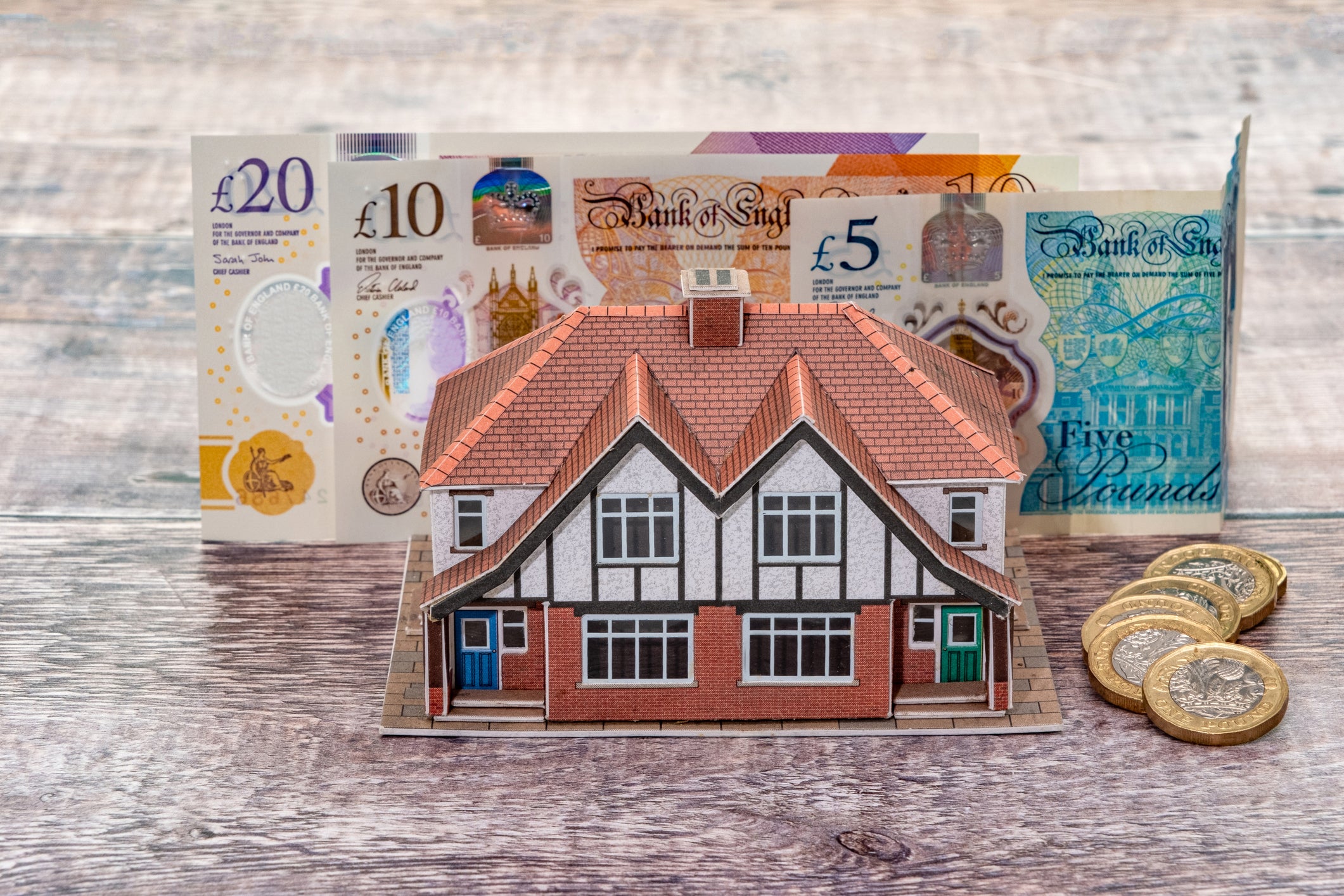
“Rates are now the best we have seen in a long time and there is another excellent element of market certainty,” he added.
According to Moneyfacts, the average two-year fixed rate fell from 5.48% at the beginning of the year to 4.86% at the beginning of December, while the average five-year fixed rate fell from 5.25% to 4.91% over the same period.
interest rates
How far mortgage interest rates continue to fall in the new year will depend on how many times the Bank of England cuts interest rates.
Governor Andrew Bailey took a more cautious tone than many expected about the possibility of further rate cuts, saying “with every cut we make, it becomes a closer call on how far we go.”
Yet Simon Gammon, managing partner of Knight Frank Finance, predicted a “price war” in January and said it was “not impossible” for two-year corrections below three per cent to occur by the spring.
Sykes agreed. “I’ve heard from several lenders that they will come out strong in 2026,” he said.
More broadly, Sykes said 2026 will be an “active year” for the mortgage market, with around 1.8 million fixed-rate mortgage deals coming to an end. Most borrowers signed two-year deals in 2023 and 2024, when interest rates were significantly higher; This meant refinancers could pay hundreds of pounds less per month.
“Most of the remortgages we do now are improving rates from a few years ago, whereas last year we were mostly just telling a client how much more their new mortgage would cost because they had such a low interest rate pre-covid,” he said.
However, the Bank of England predicts mortgage costs will rise over the next three years, particularly for the 43 per cent of households taking out five-year deals in 2020 and 2021.
savings accounts
Savers will have less to be happy about as a result of Thursday’s rate cut because it will mean they will get lower returns on their savings.
“As cash savings returns will begin to fall in the coming weeks, annuity rates that provide guaranteed lifetime income in retirement may also become less attractive,” said Craig Rickman, personal finance expert at Interactive Investment.
The average easy-to-access savings rate was 2.56 per cent, according to Moneyfacts, but market-leading accounts are still offering over four per cent.
Limited-access accounts, which require savers to lock up their funds for a certain period of time, often offer better deals.
When investing, your capital is at risk and you may get back less than you invested. Past performance does not guarantee future results.


