UK car industry ‘on track’ to meet 2025 EV sales target

The UK car industry is on track to meet the government’s electric vehicle (EV) sales requirement for 2025, according to new analysis.
Research by the Energy and Climate Intelligence Unit (ECIU) think tank found that flexibilities in the zero-emission vehicle (ZEV) mandate mean the sector is on track to meet this year’s demands.
The main goal of the instruction is for at least 28 percent of the cars sold by each manufacturer to be zero-emission; This usually means pure battery electricity.
Figures from the Society of Motor Manufacturers and Traders (SMMT) show these vehicles reached a market share of 22.7 percent in the first 11 months of the year.
But the ECIU said Zev’s actual sales obligation was only 20.4 percent, as companies received credit for selling large numbers of low-emission petrol and diesel cars.
Colin Walker, head of transport at the think tank, said: “Despite claims that sales targets will not be met, it seems clear that the sector is on track in 2025 as it was last year.
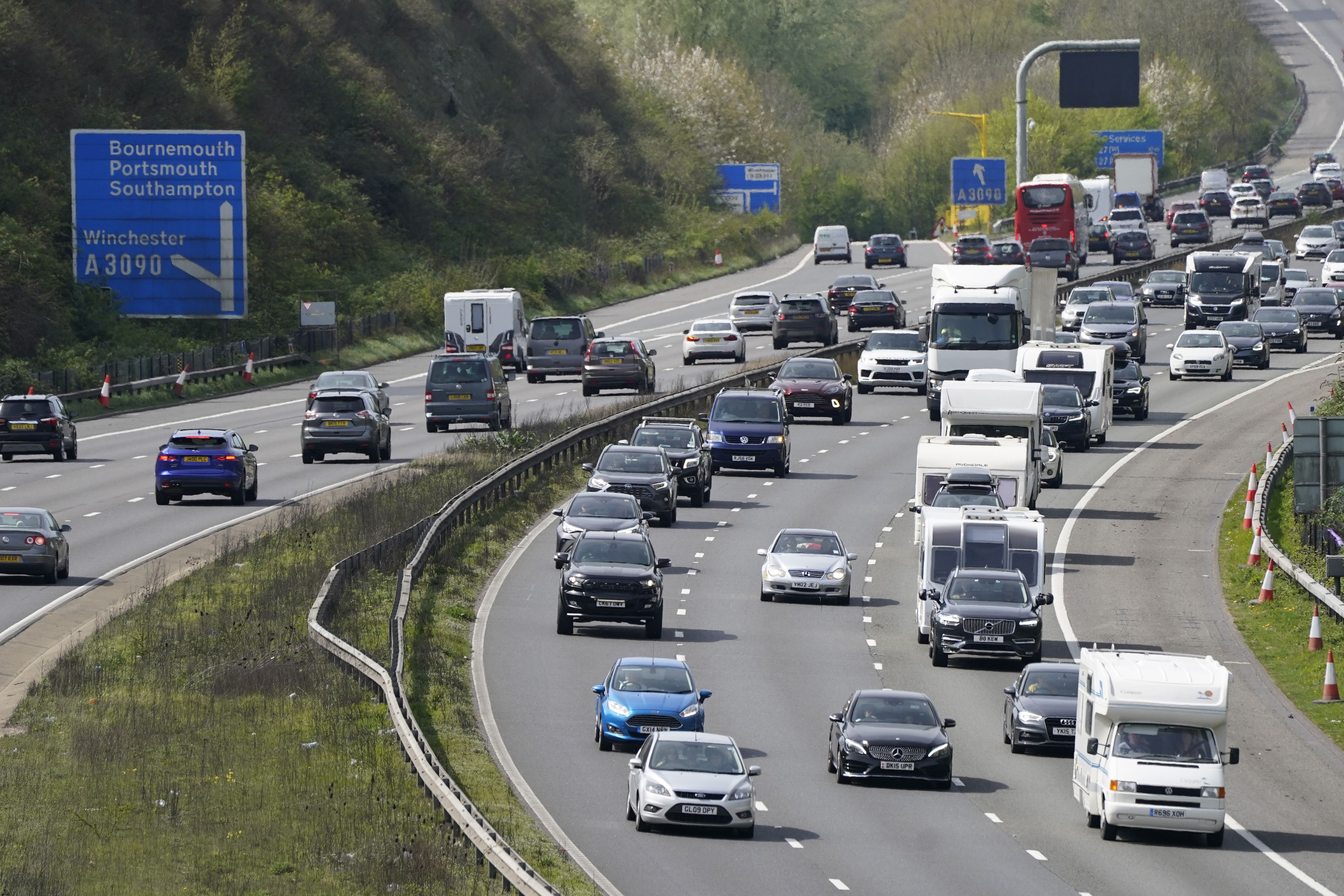
“British drivers are increasingly choosing to go electric, so much so that among the world’s biggest car markets, the UK is second only to China in the proportion of drivers buying new electric vehicles.
“Whether it’s new cars or ordinary families going electric on the second-hand market, British EV drivers are saving hundreds or even thousands of pounds a year.”
Last week the European Commission relaxed a total ban on the sale of new petrol and diesel cars from 2035.
The new plan is for 90 percent of new cars sold from that date to be zero-emission.
The UK Government has pledged to ban the sale of new petrol and diesel cars and vans from 2030, with only zero-emission models allowed from 2035.
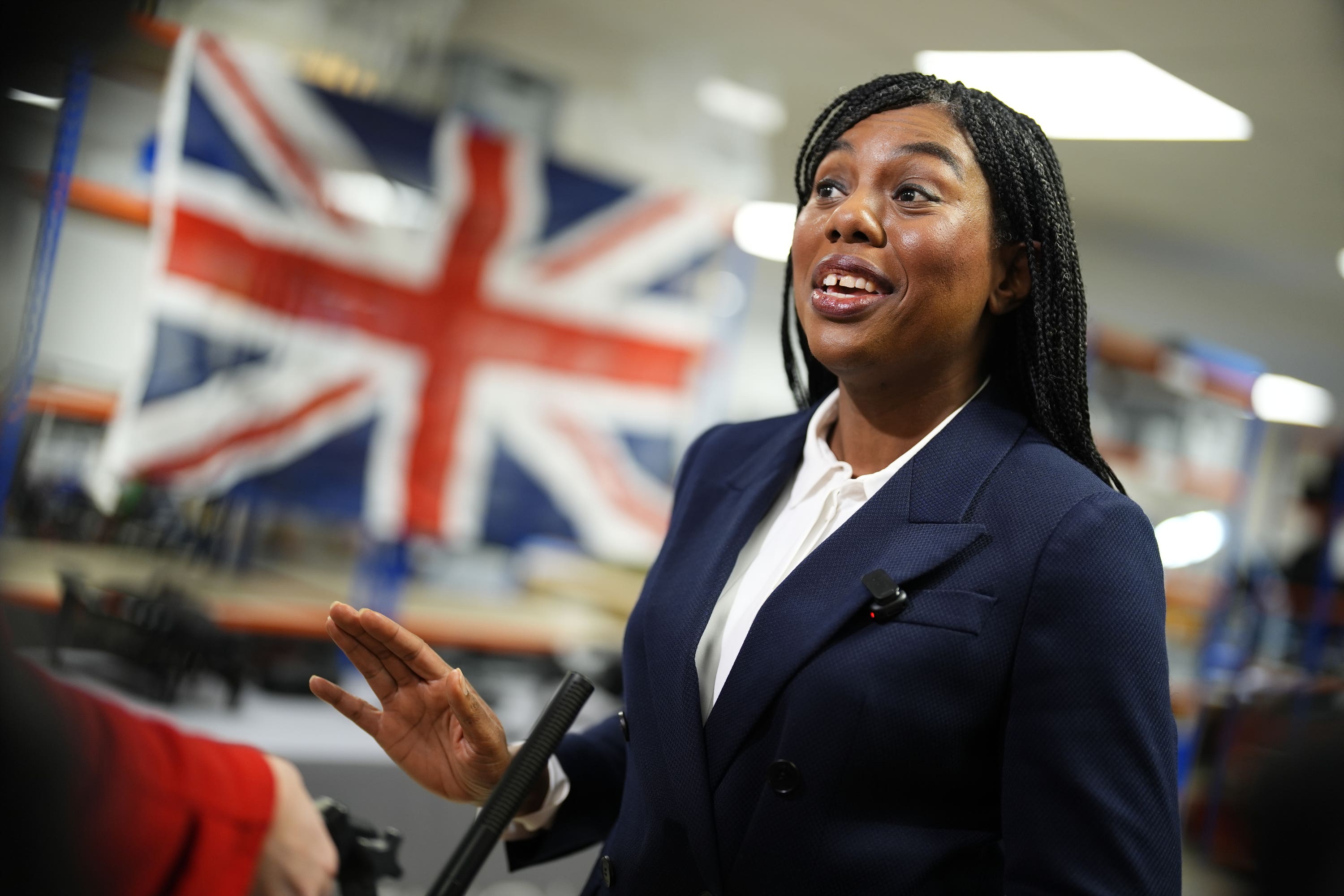
Conservative Party leader Kemi Badenoch said he would abandon this policy if his party wins the next election.
Writing in the Sunday Telegraph, he described electric vehicle quotas as “economic self-harm”.
Mr Walker said: “If the UK Government follows the EU’s lead and weakens its own ZEV mandate, this will risk slowing new EV sales and hindering the growth of the second-hand EV market, leaving people forced to drive dirtier and more expensive petrol cars for longer.
“This is the biggest risk facing drivers in the EU right now. It is clear that the world is only going one way on electric cars.
“Sliding into the slow lane is a recipe for falling behind.”
Ginny Buckley, chief executive of electric vehicle buying advice website Electrifying.com, said Brexit gave the UK “the freedom to take a different path from the EU”, particularly where the EU’s policy “risks slowing down progress”.
He continued: “Diluting the 2035 policy now would give an even greater advantage to rivals in China and South Korea, which are accelerating their transition to electric vehicles.”
Ben Nelmes, managing director of environmental consultancy New AutoMotive, said the UK’s electric car targets were “pragmatic and ambitious”.
He added: “It would be a huge mistake for UK ministers to repeat the EU’s mistake by suddenly changing these rules.”
SMMT chief executive Mike Hawes said carmakers were making “huge efforts” to comply with the order, including discounting EVs, which comes at a “huge cost to the industry” and is “unsustainable in the long term”.
He called on the government to ensure the UK’s transition to electric cars supports “consumer confidence, the UK’s attractiveness as a place to invest and overall economic growth”.
A government spokesman said the analysis “clearly shows that our approach is working” when it comes to encouraging the switch to electric vehicles.
He added: “Our commitment to phase out sales of new petrol and diesel cars by 2035 gives the industry the certainty it needs.”


