Hundreds of vulnerable children placed in illegal care homes amid ‘broken system’

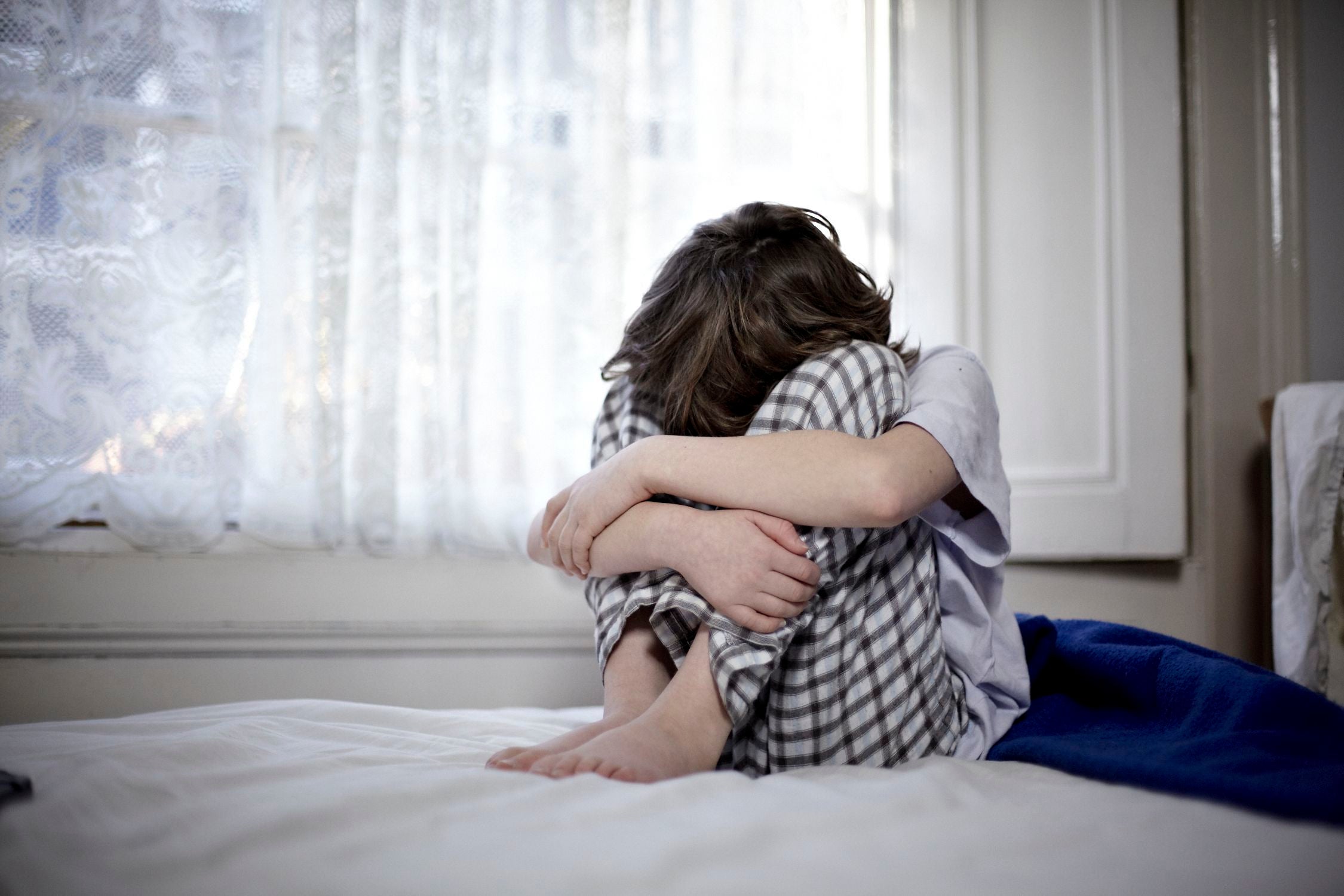
Vulnerable children in care are being “regularly put at risk” in a “dysfunctional system”, MPs have warned after hundreds of people were placed in unregistered homes for months.
The Commons spending watchdog described as “unacceptable” data which revealed nearly 800 children were housed in such unregulated environments for an average of six months each.
Sir Geoffrey Clifton-Brown, chairman of the Public Accounts Committee (PAC), stated that due to the nature of these placements and the serious lack of supervision it was impossible to know whether children were being cared for in a “safe, stable or loving environment”.
The report, published on Friday, follows a separate warning from the Ofsted inspectorate in December, which highlighted that place charges in unregistered homes were known to reach as high as £30,000 per week per child.
Ofsted said it had launched nearly 900 investigations into potential unregistered homes in the 12 months to March 2025, “often charging exorbitant fees to local authorities who have run out of options”.
Its report stated: “The only reason this shadow market exists is that there are not enough good places in legitimate registered homes to take the children who need specialist support most.”
The PAC cited data showing that around 800 children were in unregistered and therefore illegal accommodation in England in September 2024.
This equated to around one in 10 of all children in residential care at the time.
MPs warned that rather than using such accommodation only for short-term emergencies, children stay for around six months on average.
The committee blamed delays in Ofsted registering new homes for contributing to the problem, noting that the education watchdog had introduced targets to register homes within 18 months.
Among their recommendations, MPs called on the Department for Education (DfE) to “reaffirm its commitment to reducing the number of children in unregistered homes to zero by the end of 2027 and set out the specific actions it will take to achieve this”.
The committee also noted that almost half (49 per cent) of children in care in England were placed in homes more than 20 miles from their original family home, creating negative impacts.
MPs said their report revealed a system where children were placed in homes that did not meet their needs and there were inequalities in the number of places available in different parts of the country.
They warned that the DfE was “confident” of the increase in foster carers to help reduce demand for children’s residential care, but “has yet to address the significant challenges of increasing numbers”.
Sir Geoffrey, chairman of the committee, said: “The stated aim of the children’s social care system is ‘to provide care for those who need it, so that they can grow and develop in security, stability and love.’
“For the hundreds of children living illegally for months in unregistered homes, highlighted in our report, the lack of supervision means we cannot know whether their conditions are truly safe, stable or loving.
“A dysfunctional system routinely forces local officials to find solutions that put our nation’s children at risk. This completely unacceptable situation has become normal, but there is nothing normal about this unsustainable situation.”
In September, a report by the National Audit Office (NAO) found that the costs of children’s residential care homes in England had almost doubled compared to four years ago, in an environment dubbed “market failure”.
Local authority spending on children in residential care rose from £1.6bn in the year ending March 2020 to £3.1bn in the year to March 2024, the NAO said.
Sir Geoffrey said the audit of the children’s social care system was “worrying because the government does not have a clear view of the finances of the majority of providers”.

He added: “Without a good understanding of private providers’ motivations, debt and potentially excessive profits, the government cannot effectively police a market in which players may be overleveraged by debt.
“Our most vulnerable children are a section of our society who often do not have the ability to easily have their voices heard, but it is clear from our committee’s review that they are currently failing. In the interests of these children, we hope that this report will prompt the government to urgently bring fundamental change to this broken system.”
The Ministry of National Education was contacted for comment.
The Local Government Association (LGA), which represents local authorities, said: “No council would want to place a child in an informal setting and it is extremely worrying that in many cases the lack of choice means the service does not fully meet children’s needs.”
He described the costs of some care placements as “astronomical” and said this could often mean less money councils could spend on earlier support.
The LGA said: “It is absolutely vital that the whole sector works together to ensure we have enough homes to meet children’s needs. This includes central and local government, Ofsted, the NHS and providers across all sectors.”
Mark Kerr, chief executive of the Children’s Homes Association, said: “Illegal children’s homes are a danger to local authorities buying into at high cost because we have not developed the right regulated capacity for children with high risk profiles and complex lives.”
The association said the committee was right to focus on value for money but “we cannot pretend that this is a simple ‘public good, private evil’ story”.
He added: “Once the emotional and ideological debates are stripped away, the evidence is clear that independent children’s homes provide care at a lower cost than local authorities and that developing the right homes, in the right places, with the right practice, can help eliminate the illegal market altogether.”


