Britain expects ‘privileged’ trade with US to continue despite fresh tariffs ruling

Ministers expect Britain’s “privileged trading position with the US” to continue after Donald Trump’s tariffs were struck down by the country’s top court.
The U.S. Supreme Court overturned the “reciprocal tariffs” that Mr. Trump imposed on much of the world under emergency powers legislation last April.
The decision, which came on Friday, dealt a major blow to the president’s economic agenda.
Britain received the lowest tariff rate of 10 per cent, and the subsequent deal reached between Sir Keir Starmer and Mr Trump led to further cuts for Britain’s steel industry and car makers.
The court’s decision raises questions about whether these agreements are still valid; But officials are understood to believe this will not affect much of Britain’s trade with America, including preferential deals in steel, cars and pharmaceuticals.
A government spokesman said: “This is for the US to determine, but we will continue to support UK businesses as more details are announced.
“The UK has the lowest bilateral tariffs globally and we expect it to maintain our privileged trading position with the US in any scenario.
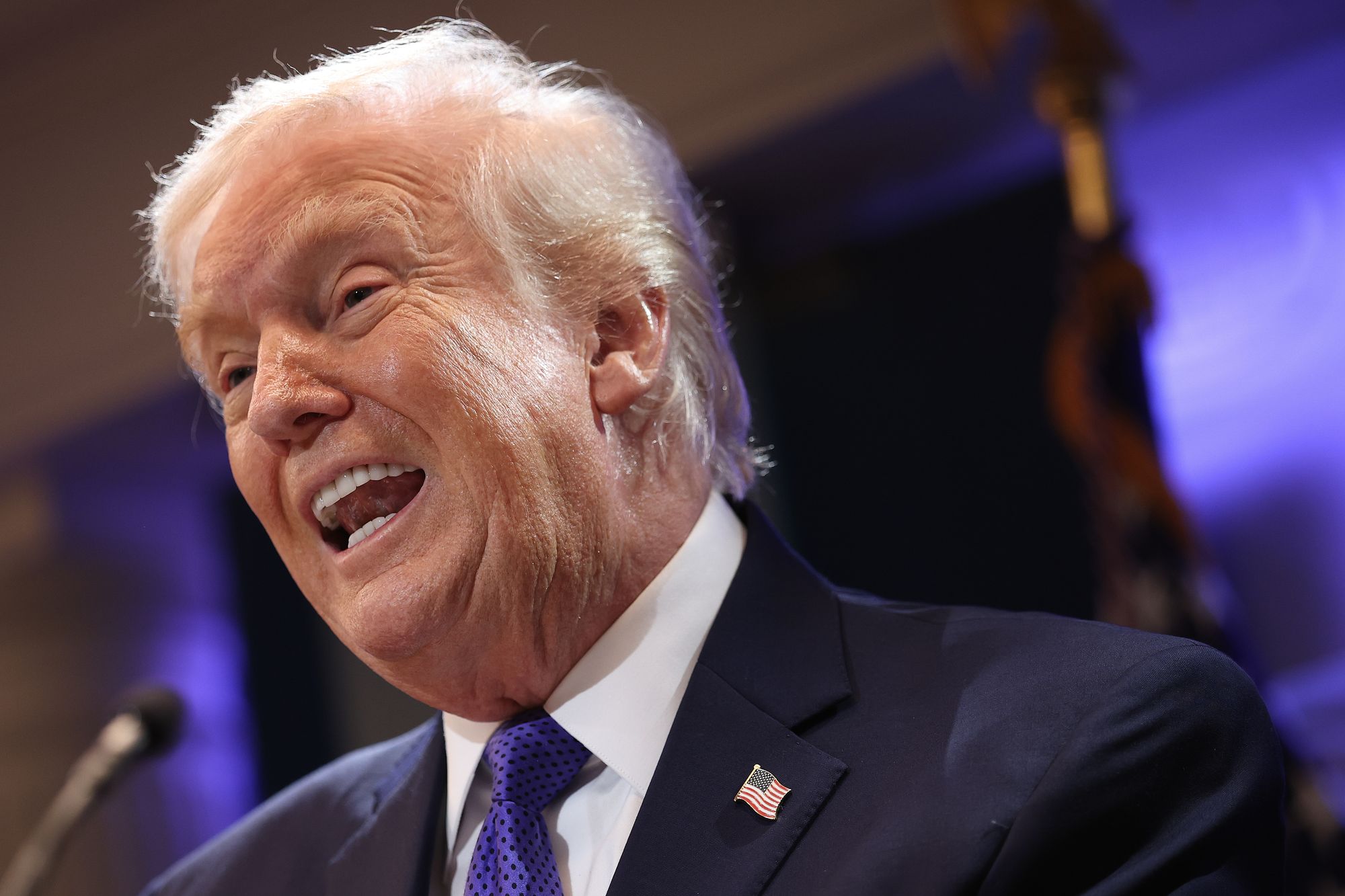
“We will work with the Administration to understand how the decision will affect tariffs for the UK and the rest of the world.”
Speaking to reporters in Scotland, Conservative Party leader Kemi Badenoch said he was “thrilled” by the decision and added: “Tariffs are expensive for both sides.
“The consumer in the US pays more, as does the supplier in the UK or other countries, so I expect that to be the case.”
The US has collected more than $133bn (£98.4bn) since Mr Trump imposed tariffs, but now faces the prospect of returning that money to importers.
Friday’s decision was approved by a 6-3 majority, finding that a 1977 law does not give Mr. Trump the authority to impose tariffs without approval from the U.S. Congress.
The British Chambers of Commerce (BCC) said the decision did little to “clear the murky waters for businesses” around US tariffs.
William Bain, the BCC’s head of trade policy, said Mr. Trump could use other legislation to reimpose tariffs.
He said: “The priority for the UK remains to reduce tariffs wherever possible. It is important that the UK Government continues to negotiate on issues such as steel and aluminum tariffs and reduces the scope of other potential duties.”
Campaign group Best for Britain said the decision “underlines the instability of making a deal with Trump’s US and the importance of building deeper, more reliable trade with our EU neighbours”.

-in-Inter-Alia-at-the-National-Theatre--(c)-Manuel-Harlan-056.jpg?width=1200&height=800&crop=1200:800&w=390&resize=390,220&ssl=1 "Rosamund Pike calls out audience member for texting during show")


