I’m a renewable energy expert. Here are the best products for slashing your bills

Energy bills in the UK are expected to continue rising in the coming months, putting further pressure on household budgets despite an unstable ceasefire in the Gulf.
Meanwhile, solar energy use is increasing across the UK, reaching 22 gigawatts (GW) of solar capacity by February 2026, with around 2 million installations.
Solar panel sales rose sharply in the UK in March, with one renewable energy firm reporting a 54% increase in sales. Although rooftop solar is often viewed as the most effective way to reduce electricity costs, it is not an option for all households, especially those living in apartments or rental homes.
The UK government has plans to expand the use of solar energy as part of a greater focus on energy security. And now we’re told plug-in solar will soon be available in the UK.
These are small systems, usually around 800W, that can be mounted on balconies or external walls and connected directly to a home outlet without the need for an electrician. They may offer a more accessible option for homes that cannot be installed on rooftops.
Although standards and safety guidelines have not yet been established in the UK, these plug-in systems are already widely used in other parts of Europe. Some sources suggest that around 4 million units will be in use in Germany by 2025.
How about plug-in solar power?
The amount of electricity produced by a plug-in solar system is relatively small. Performance may also vary depending on where it is installed. Factors such as the direction the balcony faces, shading from nearby buildings, and how the panels are positioned can reduce the amount of electricity produced.
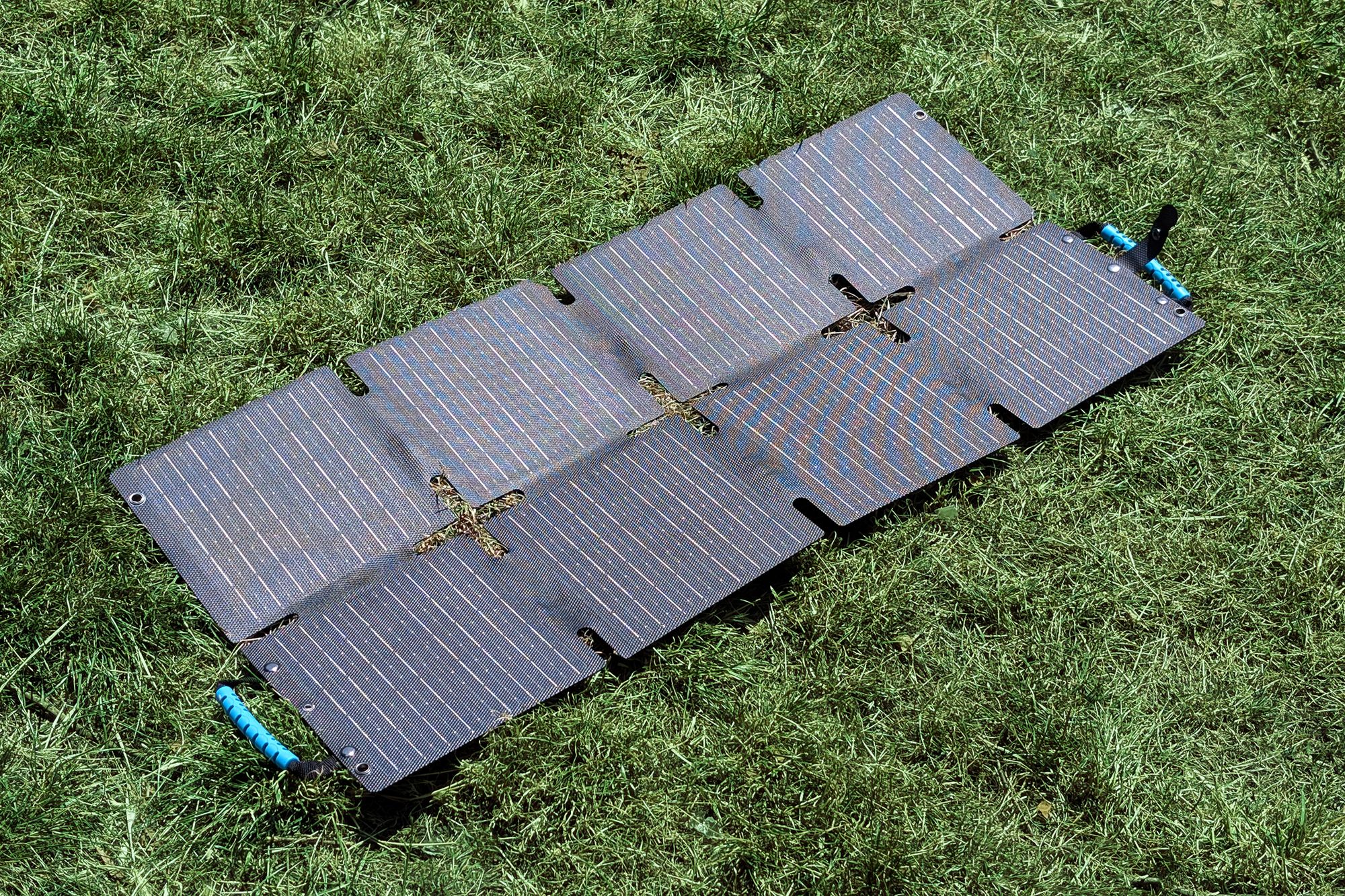
A typical UK household uses around 2,700-3,000 kilowatt hours (kWH) of electricity each year. Using a simple online calculator, a small 800W solar system when mounted vertically on a balcony will probably produce around 150-350 kWh depending on orientation and shading. This means the system can provide approximately 5-12% of the electricity a home uses in a year. This may help with bills a little, but not much.
What makes more difference is when you use your energy. Solar power produces electricity during the day, but most households need more in the evening. If the house is empty during the day, much of this energy can go unused.
Benefits of batteries
To make the most of solar energy, households need to think about how they use electricity.
A simple way to make better use of solar energy is to shift electricity use to daylight hours whenever possible; such as powering appliances or charging devices when solar energy is available.
Another option is to use battery storage. Smaller plug-in batteries, typically around 1-2kWh and costing £500-£1,500, can store extra electricity for later use. However, because the amount of energy produced is quite small, the financial return from the battery is generally limited and payback periods are seven to ten years.
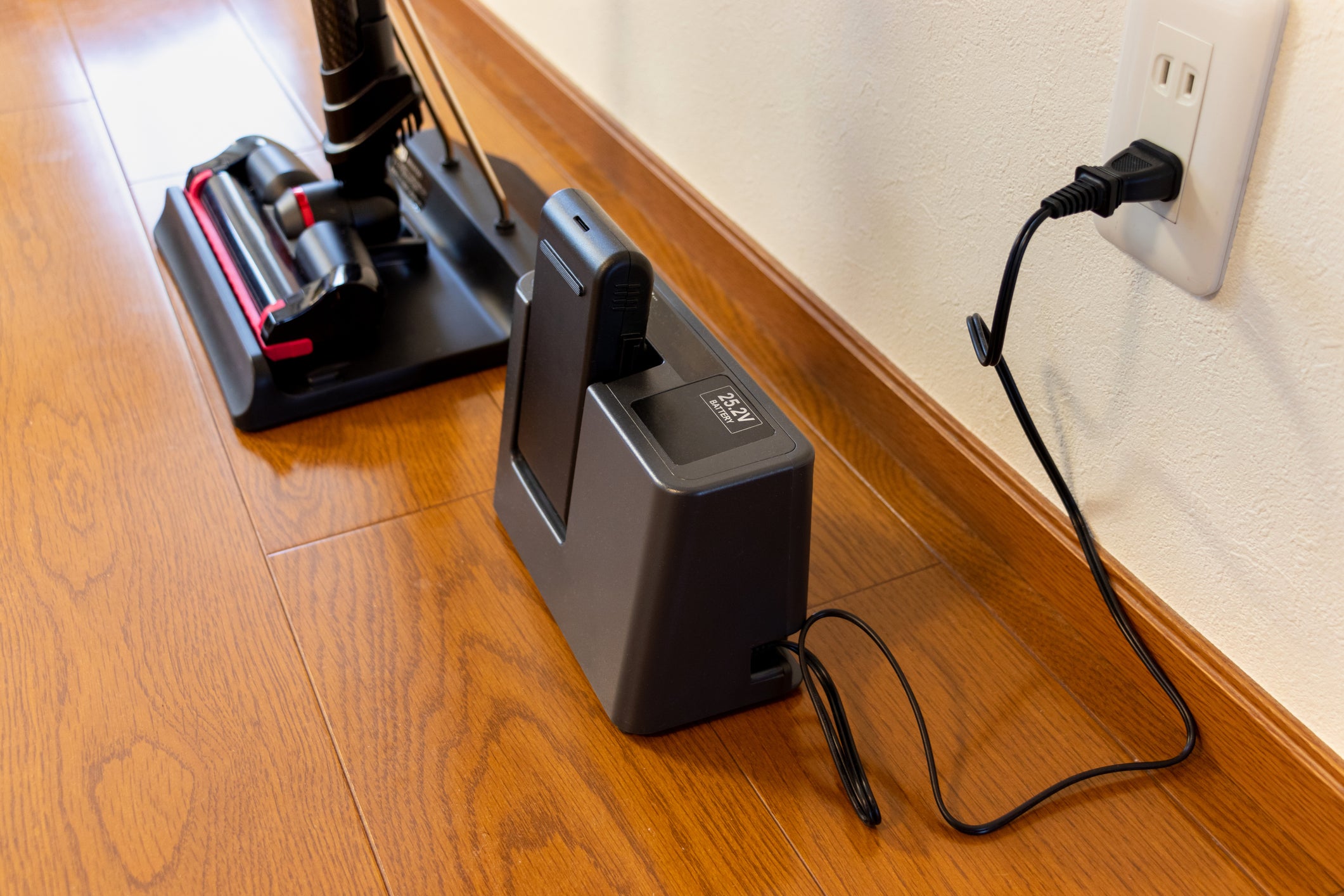
Daily savings can be estimated based on the difference between off-peak and off-peak electricity prices. According to Ofgem, standard electricity prices in the UK are around 24-30p/kWh. This price difference means that a small battery varying around 1-2 kWh per day could save around 25p – 45p per day; this is equivalent to around £90 – £160 per year. However, actual savings depend on usage habits and seasonal changes.
Smart tariffs
A different approach is to combine battery storage with smart time-of-use tariffs. The technology, which has already been established in the UK, allows batteries to be charged overnight with cheaper electricity from the grid and discharged during expensive peak periods.
One example that is currently available is the EcoFlow Stream Ultra battery. A single unit can provide 250W–300W of power for devices including refrigerators, routers, and standby devices. It can discharge power for about six to eight hours. In the future, a battery like this could potentially be charged from a solar panel.
To understand how this works in practice, consider a small battery of around 1.9 kWh and costing around £1,500. If used only to store excess solar energy from the balcony system, the financial return would be relatively modest and vary seasonally, with strong summer performance and lower winter efficiency.
About the author
Salma Al Arefi is a Senior Lecturer in Renewable Energy at the University of Leeds. This article is republished from The Conversation under a Creative Commons license. Read original article.
However, when the same system is used with a smart time of use tariff, the savings change. Rather than relying solely on solar energy, the battery can be charged overnight using cheaper electricity from the grid (usually 7-9p/kWh) and then used during the day when electricity is more expensive (usually 30-35p/kWh). Off-peak fares are generally applied between midnight and 05:00-06:00 in the morning.
This can typically yield daily savings of around 25p – 45p (up to around £1 – £1.50 per day for larger batteries of around 5kWh) depending on usage and price variations. When these consistent savings are combined with seasonal solar energy production, total savings can reach £200-300 per year.
This means that the overall system can pay for itself in about five to six years. For larger battery systems the savings can be higher and amount to around £500-650 per year.
Overall, solar energy will work best as part of a broader shift to rethink when and how energy is used in homes.


