Plymouth residents allowed to return home after WWII device disarmed by bomb squad

Residents in Plymouth can now return to their homes after an unexploded Second World War bomb was safely detonated on site, prompting the evacuation of more than 1,000 properties.
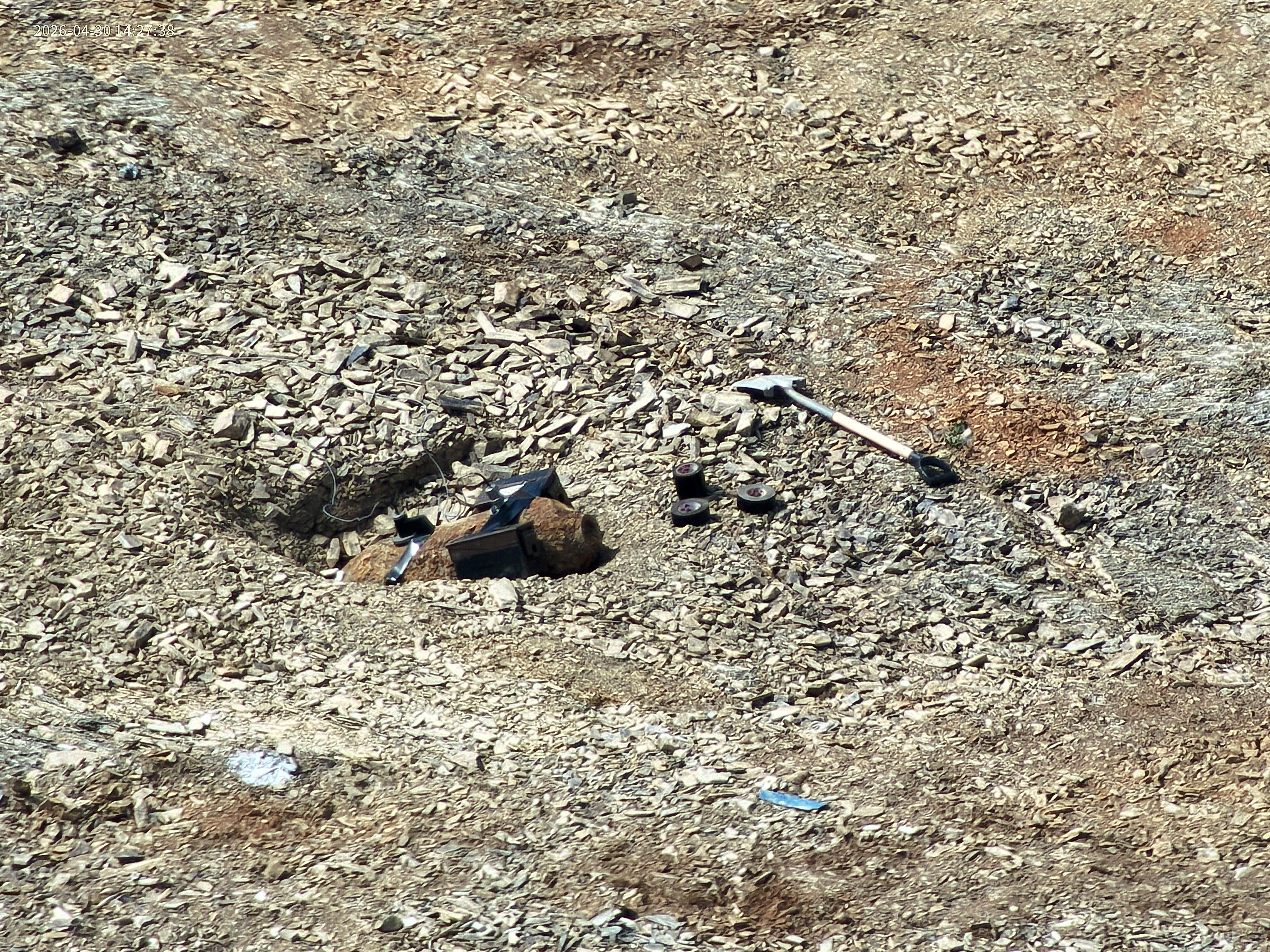
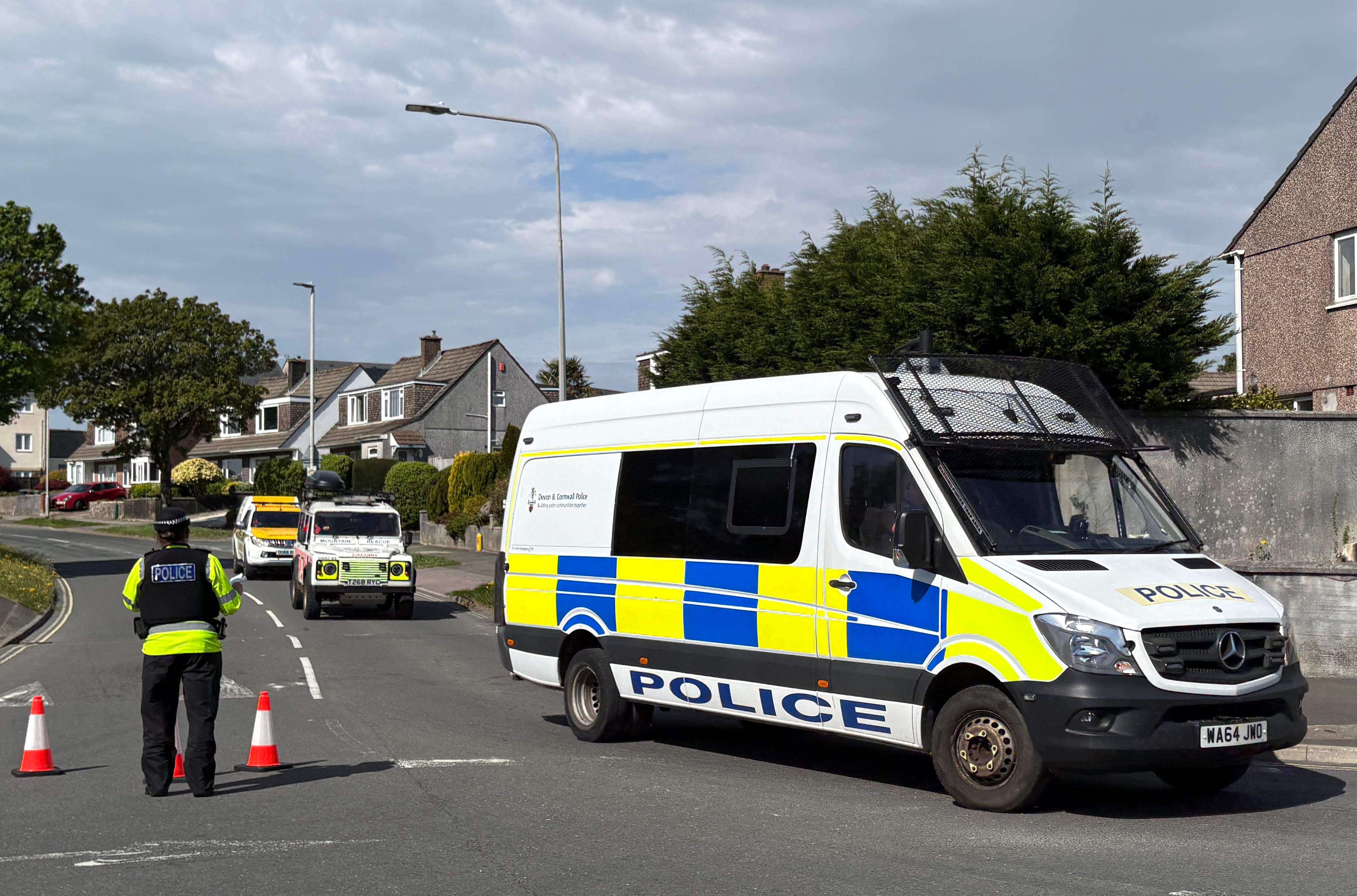
The device was discovered at a construction site in Flamborough Road, Southway, on Wednesday, prompting the installation of a 400-metre cordon.
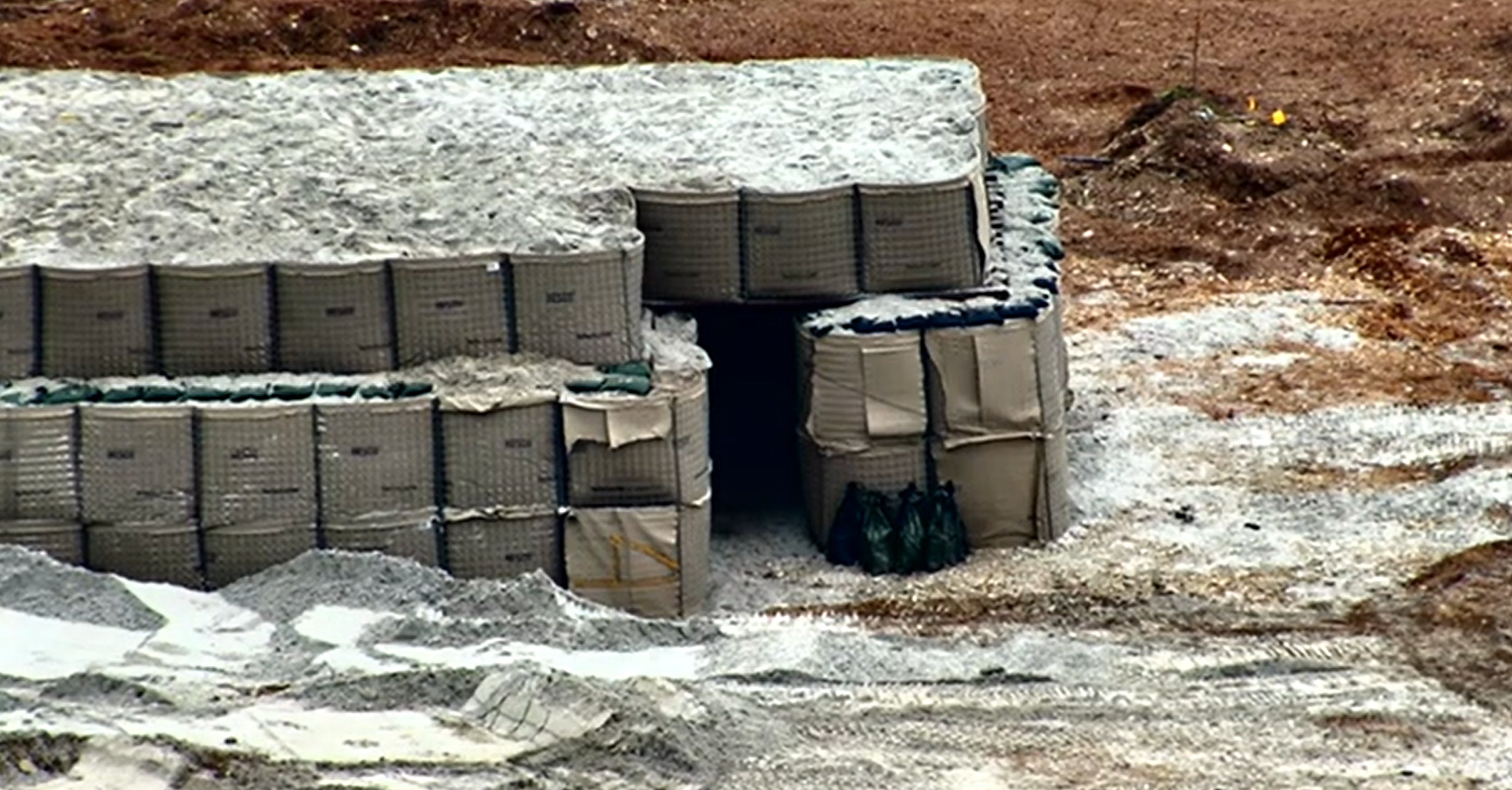
Military experts concluded that the ordnance was too unstable to move and that a controlled detonation in the field was necessary.
Plymouth City Council confirmed on Friday afternoon that the operation had been completed, including subsequent safety checks.
No significant damage was detected to the surrounding area, including nearby buildings, allowing the cordon to be lifted and residents to return, the official said.
Councilor Sally Haydon, cabinet member for community safety at Plymouth City Council, said: “We know this is a deeply distressing and inconvenient time for local residents and businesses and we would like to sincerely thank everyone for their patience, co-operation and understanding throughout this incident.
“We offer our sincere thanks to the brave Army and Royal Navy unexploded ordnance experts who have worked tirelessly over recent days.
“They literally put their lives on the line and thanks to their outstanding expertise, professionalism and care, this operation was concluded safely.”
The council added that a small number of temporary road closures will remain in the immediate vicinity of the area while highways and clean-up crews carry out clean-up operations.
While the area continues to be fully secured, there will also be restrictions around the construction area where the device is located.
Colonel Nick Handy, 8th Engineer Brigade, said: “We wanted to make sure minimal damage was done and we successfully did that today.
“This is something that cannot be done independently of just the military; we need our LRF community and all the expertise we can bring to bear.
“There was no hit and no damage. The explosion went up and out exactly as we wanted to do it.”
Assistant Chief Constable Nikki Leaper, of Devon and Cornwall Police, said: “Safety was our priority and we wanted it to be safe, we cannot remain complacent.
“I’m very aware that this is our third event here in Plymouth, our second this year, and actually working with all our partners is definitely a team effort and it’s been absolutely fantastic.
“We needed to take the time to be safe so people wouldn’t damage their property.”
He said around 1,500 people were evacuated after the German SC250 device was uncovered.
Ms Leaper added: “Our efforts throughout the day have been focused on enabling everyone to get back to their daily lives as quickly as possible.
“It was a significant 48 hours of demand, with everyone involved showing tremendous partnership work.
“I offer my sincerest gratitude to our partners, volunteers, police officers and staff who have worked tirelessly over the last few days.
“The safe removal of this ordnance demonstrated the extraordinary courage and skill of military bomb disposal experts.
“The personnel of all institutions played an important role in bringing this matter to a safe conclusion.”
More than 50 Luftwaffe air raids were launched on Plymouth between 1941 and 1944, killing 1,174 civilians in the city.
The first bombs fell on the city on July 6, 1940, and the most intense bombardment period occurred in March and April 1941.
Two years ago, a 500kg German Second World War bomb was found in a garden in the Keyham area of Plymouth.
It forced thousands of people to evacuate and was detonated at sea.


