Uncertainty Over Qatar Diplomacy Clouds Prospects For U.S.-Iran Deal

DOHA, June 30 (Reuters) – Senior U.S. envoys were expected to arrive in Qatar on Tuesday, but uncertainty over the timing and content of diplomatic talks has raised questions about efforts to permanently halt the Iran war and fully reopen the Strait of Hormuz.
The diplomacy follows weekend clashes that tested the interim agreement reached between the United States and Iran on June 17. The 14-article agreement gave the two sides 60 days to reach a permanent ceasefire agreement in the conflict that started with the US and Israel’s attack on Iran on February 28 and to resolve complicated issues, including the future of Iran’s nuclear program.
The conflict has disrupted global trade in oil and other goods, exposed Gulf states to Iranian drone and missile fire, and killed thousands of people, primarily in Iran and Lebanon.
The White House said US President Donald Trump’s son-in-law Jared Kushner and his envoy Steve Witkoff are expected to land in Doha on Tuesday for “high-level meetings”, while technical meetings will continue occasionally.
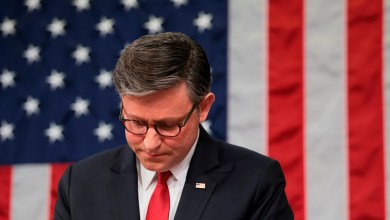
AP Photo/Jacquelyn Martin, Pool
But while Iran sent a technical delegation to Qatar this week, Foreign Ministry spokesman Esmaeil Baghaei said it had “nothing to do” with the Americans’ visit and no meetings were planned between the two sides.
“We will not hold negotiation meetings at any level with the American side in the coming days,” Baghaei said.
A senior Iranian official said the meeting in Doha would be limited to discussions on managing the Strait of Hormuz and reducing tensions.
Still, oil prices fell further on Tuesday, following a decline since the weekend, and were poised for their biggest quarterly loss since the Covid-19 outbreak in 2020.
Iran is Trying to Take Control of the Strait
Following the start of the war four months ago, maritime traffic in the strait, which previously carried approximately one-fifth of global oil and liquefied natural gas trade, came to a near halt.

Iran has since sought to assert control over the strait as well as Oman, which lies across the waterway; He says he plans to charge ships for using this strait and plans to block ships that go outside the designated routes.
Since Thursday, the United States has accused Iran of hitting at least two commercial ships with missiles or drones and bombed Iranian military facilities in response.
Iran also launched missiles and drones at US military facilities in Kuwait and Bahrain on Sunday, while both sides accused each other of violating the ceasefire.
The war has increased global inflation and put Trump under political pressure at home ahead of midterm elections in November that will determine control of the US Congress.
On Monday, the White House said Trump had authorized a temporary suspension of some tariffs on imports of phosphate fertilizer from Morocco as U.S. farmers grapple with shortages and fertilizer shipments through the Strait of Hormuz are expected to only gradually return to pre-conflict levels.
“Maybe the meeting in Doha will be important, maybe it won’t,” Trump told reporters in the Oval Office. “We will find out.”
In Iran, where the theocratic leadership has survived the war but faces domestic anger over the battered economy, two members of the Revolutionary Guard were killed in what elite forces described as a “terrorist” shooting attack in a western province.
The interim agreement between the United States and Iran also provides for an end to the conflict in Lebanon between Israel and the Iran-backed militant group Hezbollah.
But Lebanon’s powerful parliamentary speaker, Nabih Berri, an ally of Hezbollah, was skeptical of a separate US-brokered framework agreement between Lebanon and Israel to stop this war.
Analysts said the agreement risked stalemate by tying Israel’s withdrawal from southern Lebanon to Hezbollah’s disarmament.
(Reporting by Reuters bureaus, Writing by Aidan Lewis, Editing by Timothy Heritage)