Britain among the safest places to work in the world, HSE reveals

The UK continues to be among the world’s safest places to work, according to a new report.
An analysis by the Health and Safety Executive (HSE) has confirmed a steady decline in work-related deaths across the country.
Last year, 126 deaths were recorded; this was a temporary low not seen outside of the years of the coronavirus pandemic.
A new analysis by the HSE comparing Britain’s fatal injury rates with 35 other countries has confirmed that Britain is one of the safest working environments in the world.
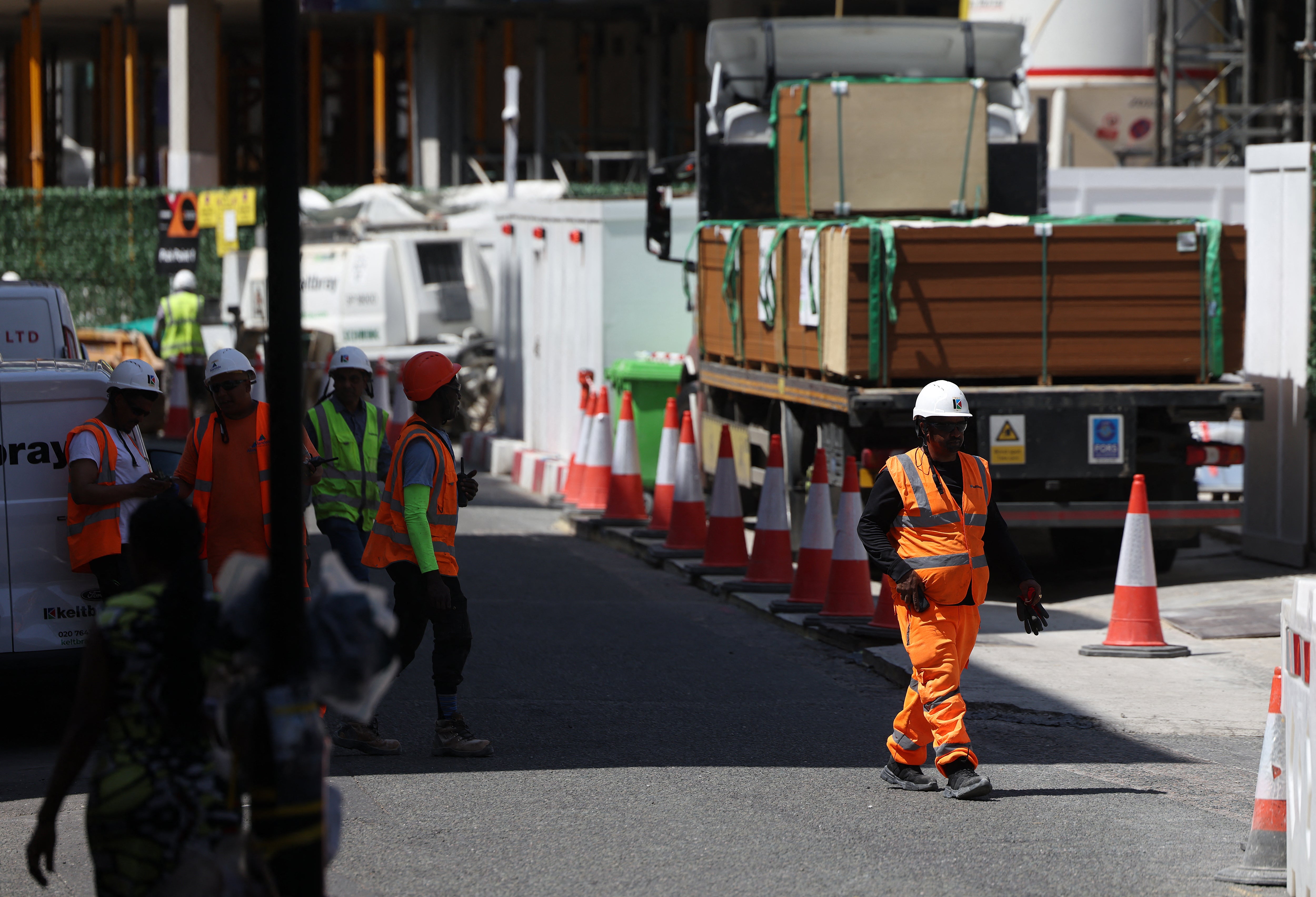
This marks a significant decrease from 217 deaths two decades ago and 495 deaths in 1981. However, construction, agriculture, forestry and fishing continue to be the sectors with the most deaths.
The most common cause of fatal injuries remains falls from height, representing around a quarter of worker deaths in 2025/26.
The HSE said workers aged 60 and over accounted for around a third of all deaths in the year, but this age group made up just 12 per cent of the workforce.
Sarah Albon, chief executive of the HSE, said: “Each of these numbers represents a loved one we have lost – a powerful reminder of the importance of the work we do.
“We can be proud that Great Britain remains one of the safest places to work in the world, and the new analysis we have developed this year allows us to compare our safety record with a wide range of other developed economies for the first time.”
The HSE also published annual figures for mesothelioma, a cancer caused by past exposure to asbestos; These figures showed 2,146 people were expected to die from the disease in Britain in 2024, representing a drop of 109 compared with 2023 and significantly lower than the average of 2,508 deaths per year over the 10-year period 2011-2020.
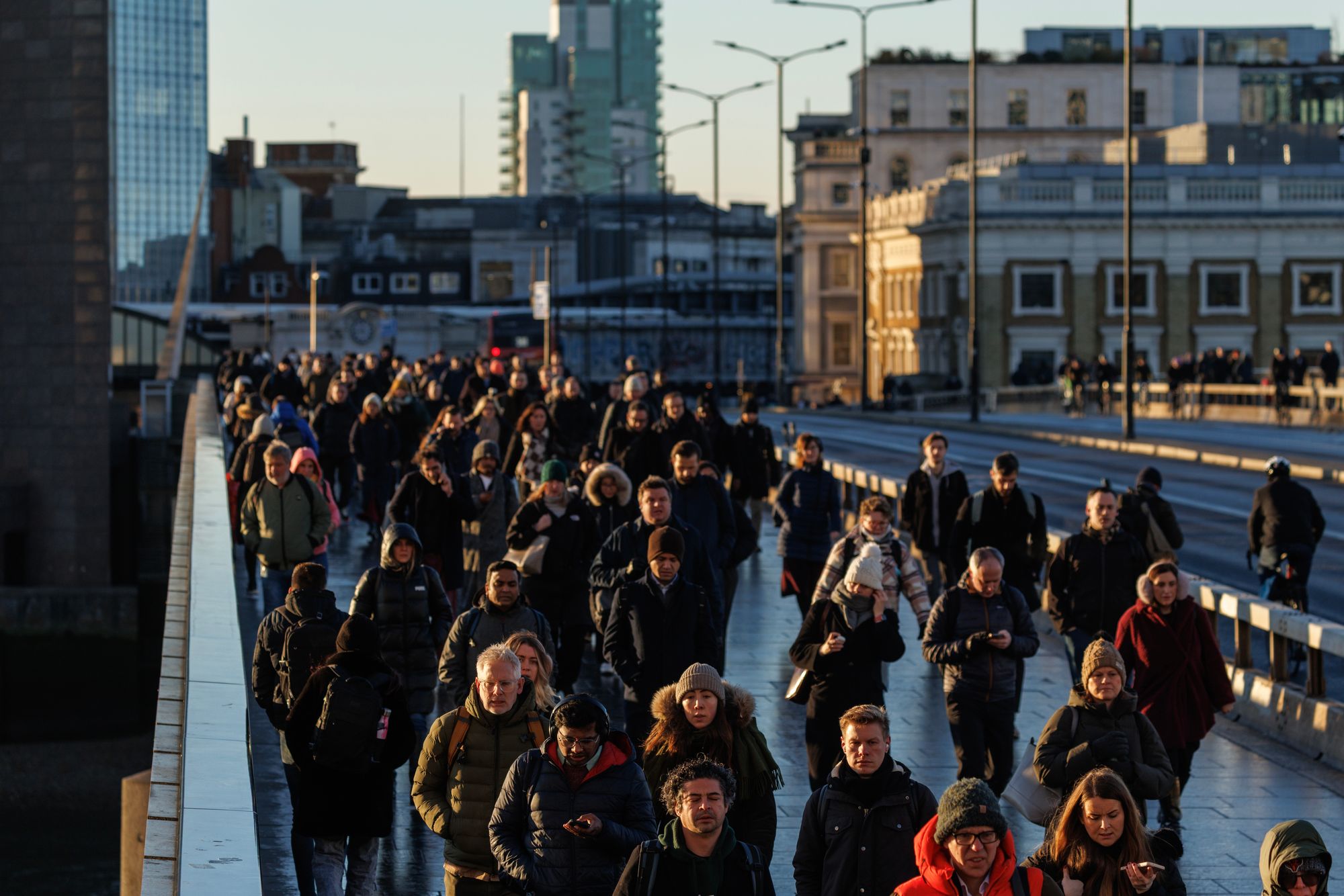
The HSE said most current mesothelioma deaths still reflect asbestos exposure, which occurred frequently before the 1980s, and annual deaths are expected to continue to decline over the next decade.
Ruth Wilkinson of the Institute for Occupational Safety and Health (IOSH) commented: “While Great Britain has made significant progress over the long term, it is deeply concerning that the number of work-related deaths has remained broadly unchanged for several years.
“This demonstrates the existence of a deeper systemic challenge that requires renewed focus and collective action to deliver further improvements, with prevention-first approaches at the heart of this.”


