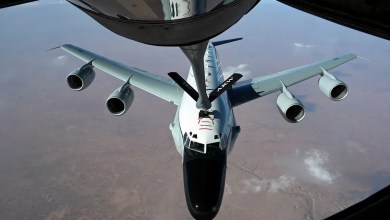
Army cuts Apache, Black Hawk buys as drone warfare reshapes strategy

NEWYou can now listen to Fox News articles!
Army leaders signaled Wednesday that drone-heavy wars and recent conflicts in Ukraine and the Middle East are reshaping the service’s aviation and missile defense strategy, prompting new reviews of helicopter programs and costly Patriot interceptors.
The comments came as the Army’s fiscal year 2027 budget request sharply cuts funding for helicopter procurement, including reducing Apache funding from about $361.7 million to about $1.5 million, Black Hawk funding from about $913 million to about $39.3 million, and Chinook procurement from about $629 million to about $210 million, while also increasing investment in unmanned aerial vehicles, autonomy and low-cost battlefield technologies.
The transformation drive already extends beyond supply. The Army previously announced plans to cut about 6,500 active-duty aviation positions, including pilots, flight crews and maintainers, in fiscal years 2026 and 2027 as leaders shift resources to unmanned systems and drone warfare.
It remains unclear whether supply disruptions will ultimately reduce aviation fleet sizes, extend the service life of aging aircraft, or delay planned replacement cycles.
Army leaders have suggested that battlefield lessons driving the changes are already shaping budget decisions as the service diverts money from some traditional aviation programs to unmanned aerial vehicles, autonomy and low-cost mass systems.
“Certainly, when we look at the aviation portfolio … we’re looking at that again,” Deputy Secretary of the Army Brent Ingraham said at a media roundtable at the Pentagon on Wednesday.
Ingraham said the Army is reevaluating how conventional manned aircraft fit in alongside larger unmanned systems that can increasingly perform tasks once performed by helicopters.
Proposed aviation cuts have already raised concerns on Capitol Hill.
At a recent Senate Armed Services Committee hearing on May 12, Sen. Mark Kelly warned that the military’s budget request included “zero H-64 Apache, zero Chinook Block II and one UH-60 Black Hawk” and argued that the service was divesting critical capabilities before approving replacements.
“Your department’s budget request cuts over $5 billion from the industrial base in the aviation sector alone and effectively shuts down all existing Army aviation platforms,” Rep. Rosa DeLauro, D-Conn., the top Democrat on the Appropriations Committee, pressed Secretary of War Pete Hegseth during a House Appropriations hearing on May 12. “How did the Department conclude that reducing procurement for these Army aviation platforms strengthened rather than weakened the aviation industrial base?”
Hegseth acknowledged that the Pentagon was reevaluating parts of the plan.
“There are some very good things in the Army Transformation Initiative, and there are some things we need to re-look at,” Hegseth told lawmakers at a House hearing after facing questions about the extent of aviation cuts. he said.
Pentagon leaders are focused on ensuring the Army doesn’t create “gaps in aviation capability” as it transitions to more unmanned systems and next-generation technologies, Hegseth said.
Army leaders signaled Wednesday that drone-heavy wars and recent conflicts in Ukraine and the Middle East are reshaping the service’s aviation and missile defense strategy, prompting new reviews of helicopter programs and costly Patriot interceptors. (Al Drago/Reuters:Stephen Wormuth/Reuters)
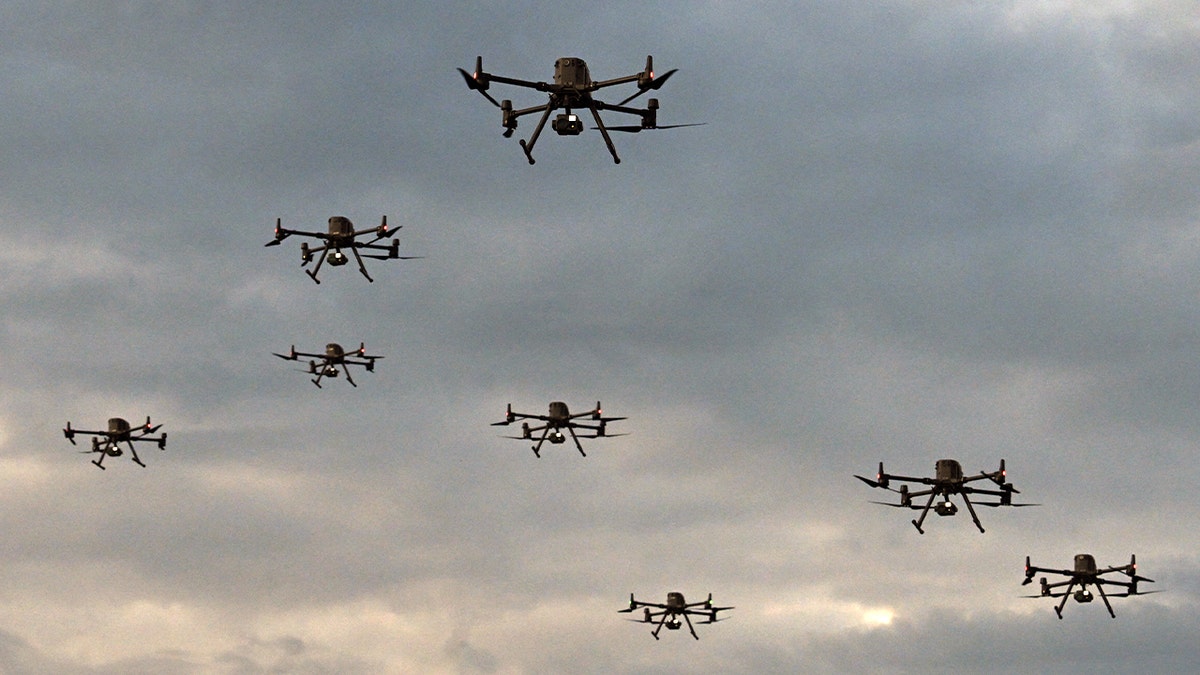
The Colombian army activated its first unmanned aircraft battalion at the military base in Tolemaida, Colombia, on October 10, 2025, in order to counter illegal armed groups using drones in conflicts. (Raul Arboleda/AFP)
‘EYES ON THE SKY’: ARMY DRONE EXPERT EXPLAINS US’ INNOVATION STRATEGY WHEN GLOBAL CONFLICTS ARISE
The rapid proliferation of cheap drones is forcing the Army to rethink the way it buys and uses aircraft, missile defense systems and battlefield technology, Army leaders said.
“We know we don’t want to continue using the Patriot missile to shoot down a cheap drone,” Ingraham said. “You have to move to the right side of the cost curve.”
This concern has become increasingly urgent after the United States and its allies laid waste to large numbers of expensive missile defense missiles during the Israel-Iran conflict and broader Middle East operations; This has raised Pentagon concerns about stockouts and the long-term sustainability of relying on multimillion-dollar defense systems against cheap drones and missiles.
Officials also unveiled a new allied drone and counter-drone procurement market designed to accelerate foreign military sales and standardize interoperable systems across partner countries. Driscoll likened the effort to “an Amazon for war.”
The market is expected to be available to about 25 U.S. allies and partners worldwide, initially focused on drone and counter-drone systems, then potentially expanding to additional capabilities and countries, officials said.
For now, the platform will only allow allies to purchase US capabilities.
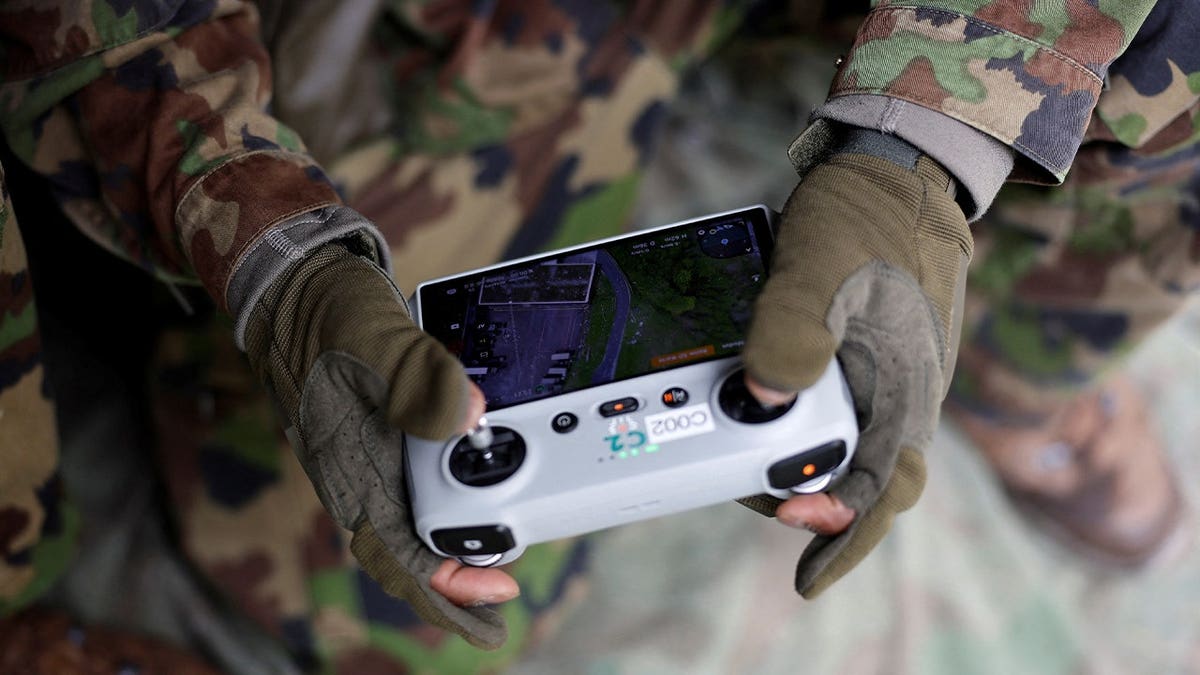
Army leaders signaled Wednesday that drone-heavy wars and recent conflicts in Ukraine and the Middle East are reshaping the service’s aviation and missile defense strategy, prompting new reviews of helicopter programs and costly Patriot interceptors. (Stefan Wermuth/Reuters)
THE US IS CLEARING OUT IRAN WAR CRITICAL missile stockpiles as it begins to rebuild over the years.
The military is also launching a rapid-fire competition to develop low-cost interceptors designed to counter drones and cruise missiles without depleting its multimillion-dollar stockpile of Patriot missiles.
Companies will have about 120 days after an upcoming industry event to demonstrate technologies ranging from rocket engines and seekers to fully integrated interceptor concepts, Ingraham said.
“Even if they’re not all on the ground… bring them in,” he said.
The conversion effort reflects growing concern within the Pentagon that cheap drones, autonomous systems and mass-produced weapons are rapidly changing the economics and survivability assumptions of modern warfare, especially after conflicts in Ukraine and the Middle East exposed vulnerabilities in traditional armored and aviation-heavy battlefield concepts.
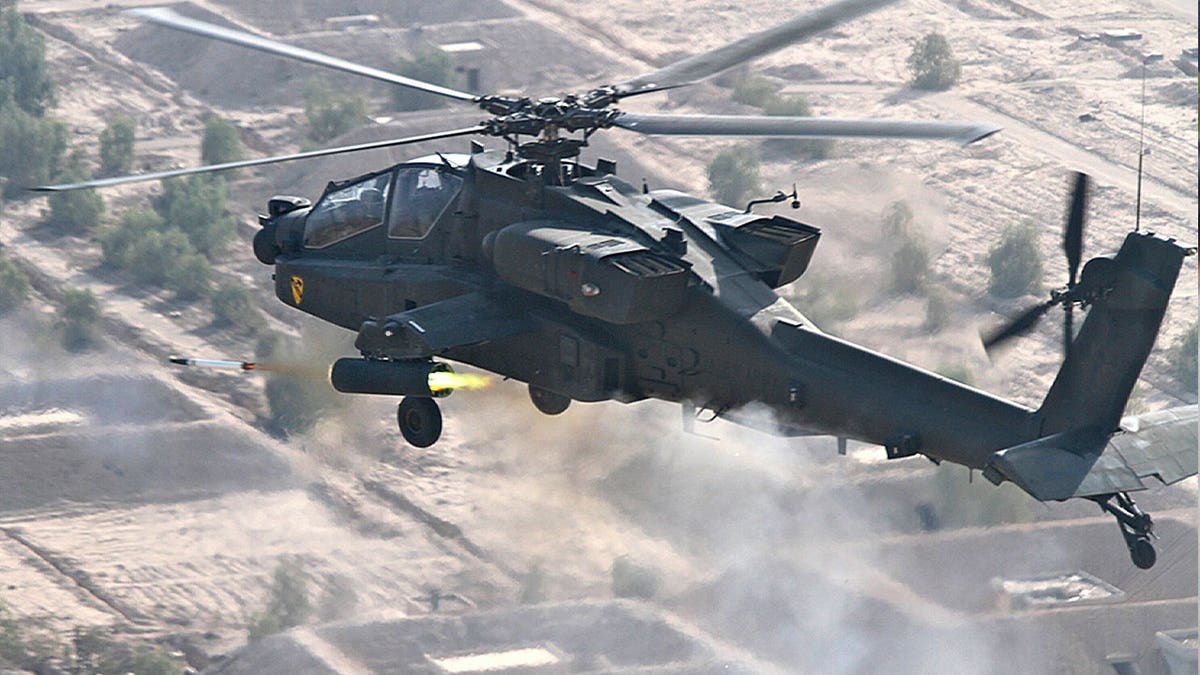
Army leaders have signaled that drone-heavy warfare and recent conflicts in Ukraine and the Middle East are reshaping the service’s aviation and missile defense strategy, prompting new reviews of helicopter programs and costly Patriot interceptors. (Report via Anthony Bailey/Reuters)
Military leaders are increasingly suggesting that future warfare will rely less on small numbers of expensive manned platforms and more on large quantities of cheaper, networked and rapidly replaceable systems that can survive on drone-dense battlefields.
Army Secretary Daniel Driscoll said at the roundtable that the Army is trying to overhaul what leaders see as decades of flawed acquisition practices that have left the Army too slow to adapt to rapidly changing battlefield conditions.
“How can we go deep into the system to change the broken processes that have led to so many bad outcomes over the last 30 years?” said Driscoll.
After decades of acquisition failures and budget overruns, the Army has lost the trust of Congress, Driscoll said.
“The United States Army had in some ways lost the trust of Congress over the last 30 years that we could do major new projects, keep them on time, and stay on budget,” he said.
He then cited the Army’s now-cancelled M10 Booker armored car program as an example of the acquisition failure leaders were trying to avoid.
“When we go to Congress and say, ‘Hey, trust us to develop a new platform. It’s not going to be like the Booker tank,'” Driscoll said.
Driscoll argued that the Army is currently trying to field new capabilities on significantly accelerated timelines, more akin to wartime adaptation cycles seen in Ukraine than traditional Pentagon acquisition programs.
“As Operation Epic Fury began, we were able to begin the process of purchasing 13,000 Merops counter-drones on day five,” Driscoll said.
“On day 10, we had a contract for something we had never purchased before,” he added. “On day 20, thousands of people were starting to pour into the theaters.”
Army officials also said the service is working to rapidly improve the way weapons systems, sensors and battlefield networks communicate with each other after studying Ukraine’s ability to quickly integrate commercial and military technologies during wartime.
“The Ukrainians were highlighting to us how their open architecture system allows information to pass between nearly all sensors and radars,” Driscoll said. “This reinforced a lot of the things they could do that we couldn’t do yet.”
CLICK TO DOWNLOAD FOX NEWS APPLICATION
“We currently have 450 developers and programmers at Fort Carson jailbreaking all of our equipment,” he added.
“I am cautiously optimistic that within a month from now we will have literally hundreds of pieces of equipment locked up.”