Wes Streeting makes new NHS pledge amid cancer care ‘postcode lottery’

The government is set to expand cancer specialist training in the poorest parts of England in a bid to tackle the “postcode lottery” in care.
The initiative, which is part of the upcoming National Cancer Plan, will also see new diagnostic technologies reviewed by the health service’s spending watchdog for wider NHS rollout.
The comprehensive strategy aims to prevent the disease, accelerate diagnosis and improve treatment outcomes nationwide.
Under the proposals, additional training places would be created for paramedics in underserved NHS trusts, specifically targeting rural and coastal communities, to ensure more equitable access to specialist care.
Health Minister Wes Streeting said patients in these communities deserved “the same chance of survival and quality of life as everyone else”.
Ministers will also work with royal colleges to encourage more doctors to specialize in clinical and medical oncology to boost numbers.
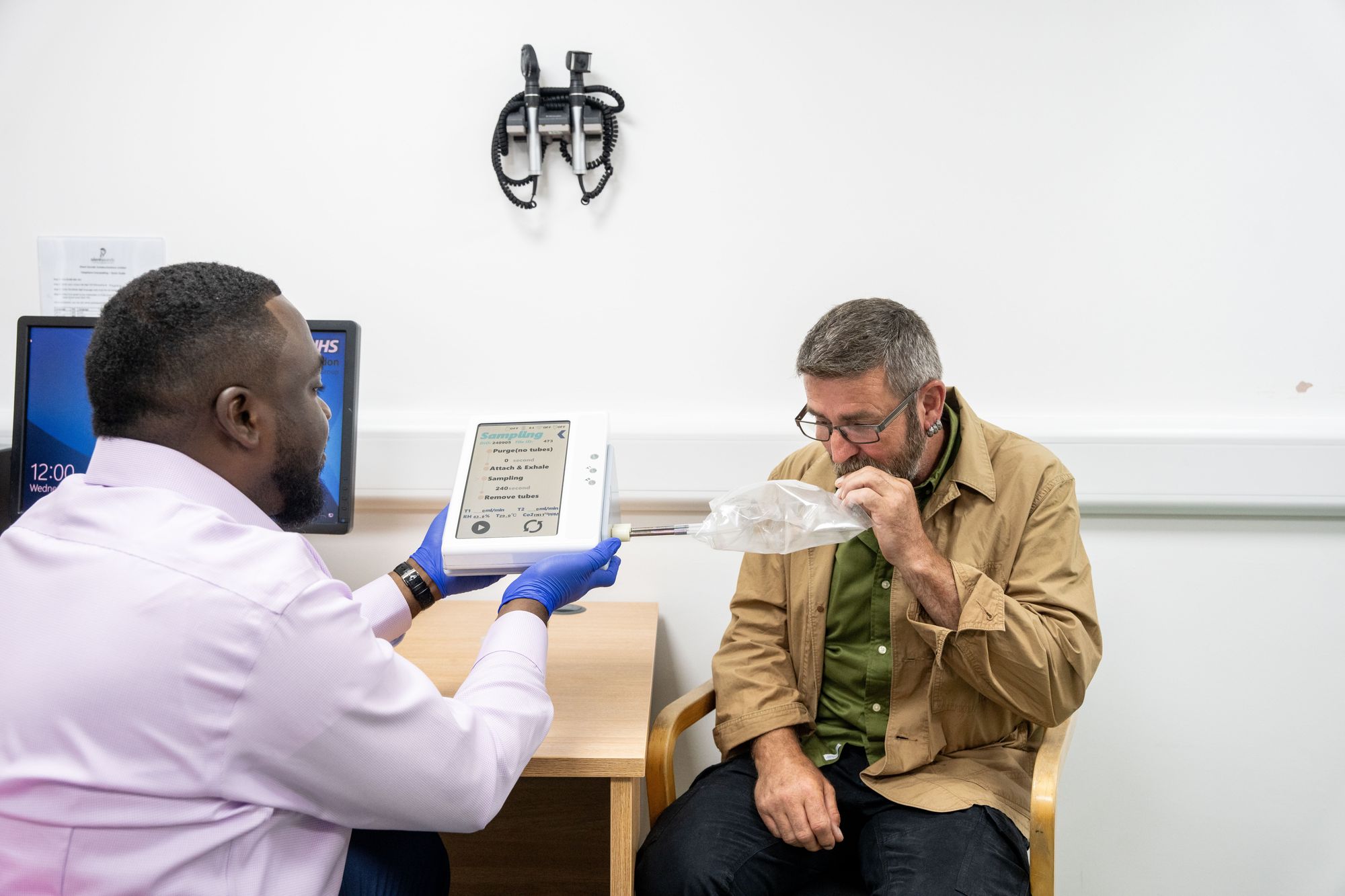
Meanwhile, from April 2027, new tests and devices that help detect cancer earlier will be evaluated by the National Institute for Health and Care Excellence (Nice).
According to the Department of Health and Social Care, the move will help these technologies spread more quickly across the NHS.
Mr Streeting said: “For too long, your chances of seeing a doctor and catching cancer early have depended on where you lived. This is unfair and this needs to stop.”
“I am committed to ending the health inequalities that have increased in the UK over the last 15 years. We are training more doctors in the communities that need them most and ensuring the latest cancer detection technology reaches every corner of the country.
“Faster diagnosis not only saves lives, it also allows people to get back to work and their families quicker.
“Whether you live in a seaside town or a rural village, you deserve the same chance at survival and quality of life as everyone else. This government will make that promise a reality.”
The first tests and devices to be evaluated by Nice under the new model include artificial intelligence that reads chest X-rays to help medics detect lung cancer, software that analyzes tissue samples for prostate and breast cancer to speed up diagnosis, and new techniques to help women get answers about unexplained vaginal bleeding.
Nice will also evaluate “sponge on a string” testing for esophageal cancer.
It involves patients swallowing a small capsule attached to a string that dissolves in the stomach, leaving a small sponge about the size of a penny coin.
This is then withdrawn after a few minutes to collect cells from the esophageal lining for analysis.
Professor Jonathan Benger, chief executive of Nice, said: “When Nice was founded 26 years ago, it set out to end the postcode lottery in access to medicines. Now we are bringing the same clarity and fairness to health technology.
“These reforms mean that clinical and cost-effective medical devices, diagnostics and digital tools will begin to be reimbursed and made available consistently across the NHS.
“This will give patients quicker access to proven technologies and ensure NHS resources are spent where they will make the biggest difference.”
Last week, NHS England’s monthly performance figures showed that 76.5 per cent of patients referred urgently for suspected cancer were diagnosed or had cancer ruled out within 28 days in November, up from 76.1 per cent in October and above the current target of 75 per cent.
However, there is a big difference between the proportion of patients whose disease is ruled out and those whose disease is confirmed.
Approximately 78.0 percent of patients thought to not have cancer were told within 28 days in November, but only 55.1 percent of patients had cancer confirmed within 28 days.
In November, the proportion of patients waiting more than 62 days from urgent suspected cancer referral or consultant escalation to their first definitive treatment for cancer increased to 70.2 per cent, from 68.8 per cent in October.
The government and NHS England have set a target for this figure to reach 75 per cent by March 2026.
Steven McIntosh, chief partnership officer at Macmillan Cancer Support, said: “Cancer care at the moment is unfair.
“Many people do not get the treatment and care they need because of who they are and where they live, and rural and coastal communities often have the worst outcomes.
“The UK National Cancer Plan is a huge opportunity to remove barriers to everyone accessing world-class cancer care.”
NHS England’s national clinical director for cancer, Prof Peter Johnson, said the National Cancer Plan would address differences in care “on a one-on-one basis”.


