Budget balancing act as debt climbs for 2032 Games host

An Olympic-sized balancing act is on the horizon for the state government as it ramps up preparations for the 2032 Games.
Queensland’s Liberal National government has vowed to use Tuesday’s state budget to keep the Brisbane Games on track while funding a major Olympic construction programme.
“We are seizing the generational opportunity presented by the 2032 Olympic and Paralympic Games to create legacy infrastructure that will promote tourism for all Queenslanders and support grassroots sports across the state,” Finance Minister David Janetzki told AAP.
“After 1,200 days of delay and turmoil under the former government, we are getting down to business delivering the Games.”
University of Queensland Business School professor Shaun Bond said the government needed to balance short-term relief with long-term fiscal risks.
“This budget tries to walk a tightrope between easing cost-of-living pressure now and not scaring markets with the size of the debt,” he told AAP.
The government has already approved a record $119.2 billion infrastructure program over four years, including $55.9 billion for transport and major roads.
Sources told AAP that there will be no changes to Olympic spending previously announced in the budget.
Last year’s LNP budget allocated $145.5 million for Olympic infrastructure.
The cost is planned to rise to $1.7 billion over the next four years; 950 million dollars of this is allocated to the construction of athlete villages, and 832 million dollars is allocated to the purchase and delivery of the fields.
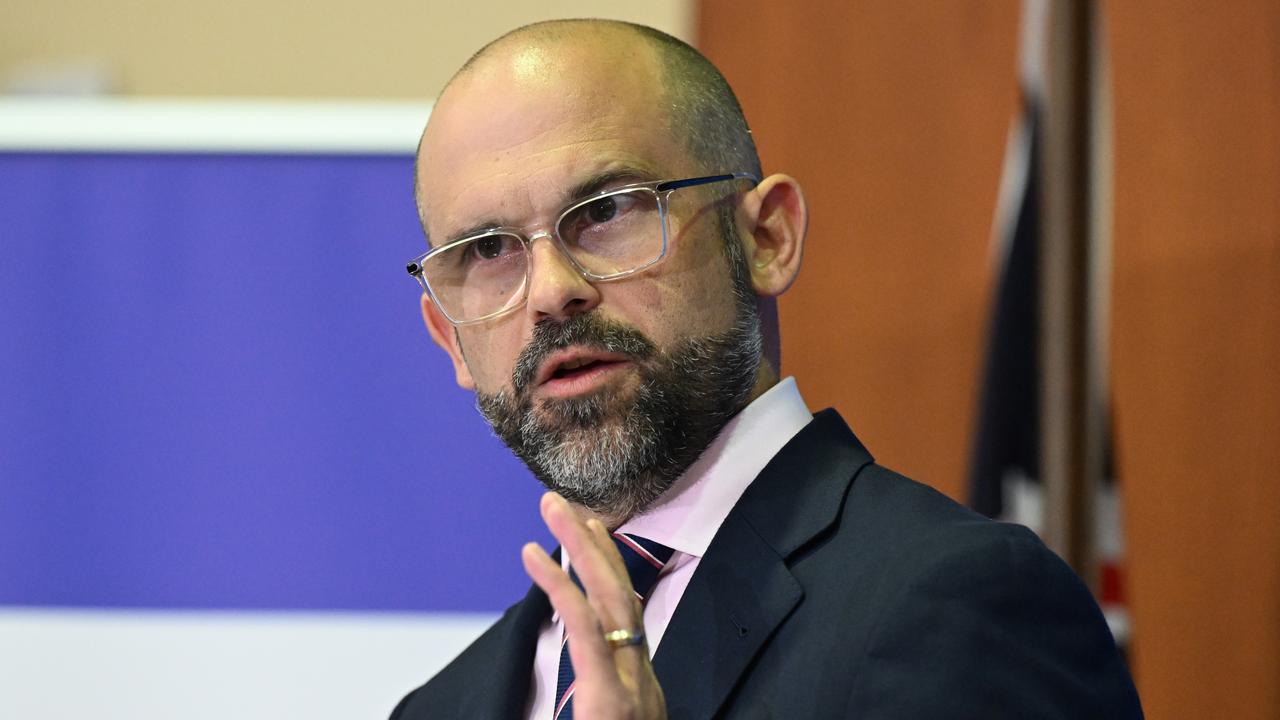
The LNP government has insisted it will avoid tax increases and reduce debt despite increasing Olympic spending.
Prof Bond said coal royalties would provide some relief from current high prices but it was a “variable source of income”.
He said property-related revenue was also expected to be much weaker, with stamp duty likely to weaken as the market slowed and higher interest rates had an impact.
It is not yet clear whether the budget will yield a surplus in the next four years.
The state’s debt is expected to reach a record $205 billion by 2028/29.
Queensland’s AA+ credit rating was downgraded for the first time in 15 years when it went from stable to negative in February 2025.
It warned that there was potential for further decline if the budget was not balanced within two years; This was a move that would set borrowing costs higher in the race to complete projects by 2032.
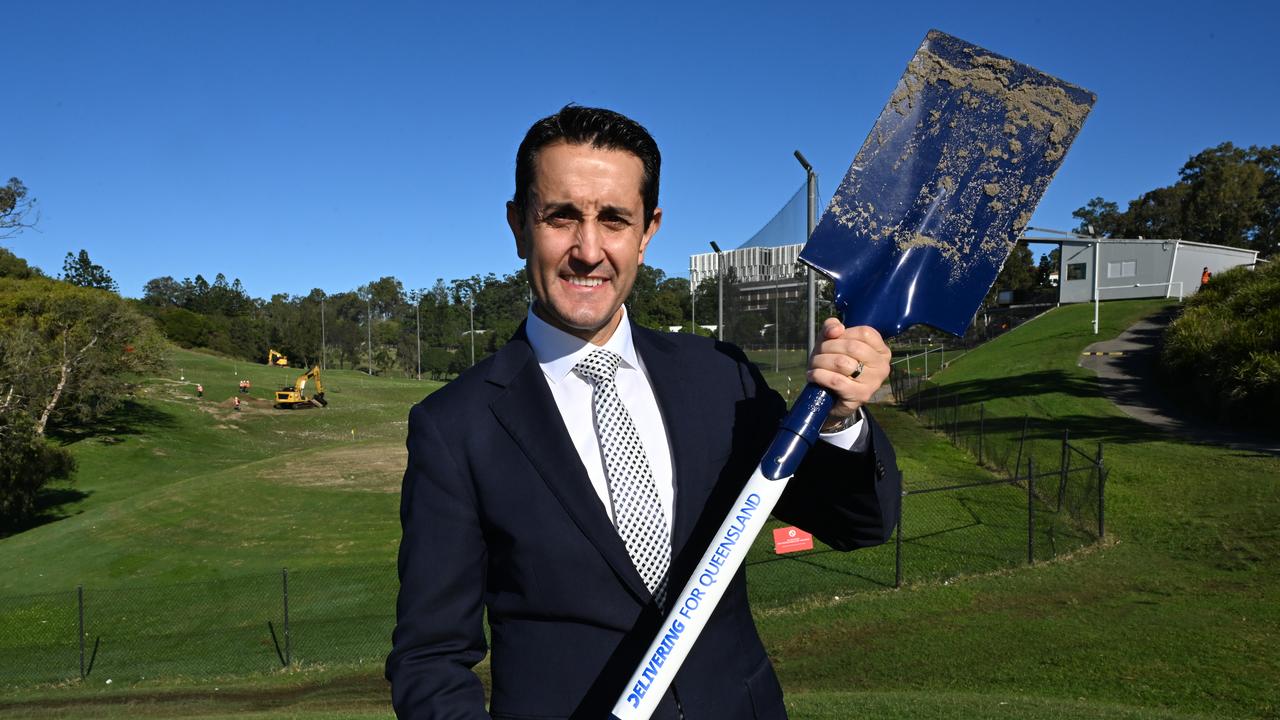
Only a third of Queensland’s capital program is funded from cash flow, meaning heavy borrowing for construction at a time when interest costs are rising, an independent economic think tank has said.
“Spending levels are extremely high, revenues fluctuate wildly depending on the course of coal prices, and it now needs to build a massive amount of infrastructure for the 2032 Olympics,” said Michael Brennan, chief executive of the e61 Institute.
This allows the government to leave little room for error in the budget, the official said.
Some relief has been signaled for Queenslanders; Electricity prices for regional households are expected to decrease by 6.9 percent compared to July and by 8.1 percent for small businesses.
Water bills in south-east Queensland will also be frozen, saving the average household about $130 over two years.

Australia’s Associated Press is the beating heart of Australian news. AAP is Australia’s only independent national news channel and has been providing accurate, reliable and fast-paced news content to the media industry, government and corporate sector for 85 years. We inform Australia.


