Cost of pint to rise under new alcohol duty changes

Wine and spirits industry leaders have issued a stark warning that businesses “have no choice but to raise prices” to stay afloat as a significant increase in alcohol duty comes into effect.
The increase, which Chancellor Rachel Reeves confirmed in her November autumn budget, sees alcohol duty rise by 3.66 per cent in line with Retail Price Index (RPI) inflation.
This change came into force as of Sunday, February 1.
Although the tax is levied directly on alcohol producers, industry figures warn that a “trickle-down” effect on shoppers is inevitable, especially after a series of cost increases in recent years.
Official data showed duty on a typical bottle of gin with 37.5 per cent alcohol by volume (ABV) will rise by 38p to £8.98, including VAT.
Similarly, duty on a bottle of 40 per cent ABV Scotch whiskey will increase by 39p to £9.51. Meanwhile, a bottle of 14.5 per cent red wine will be subject to an additional 14p tax.
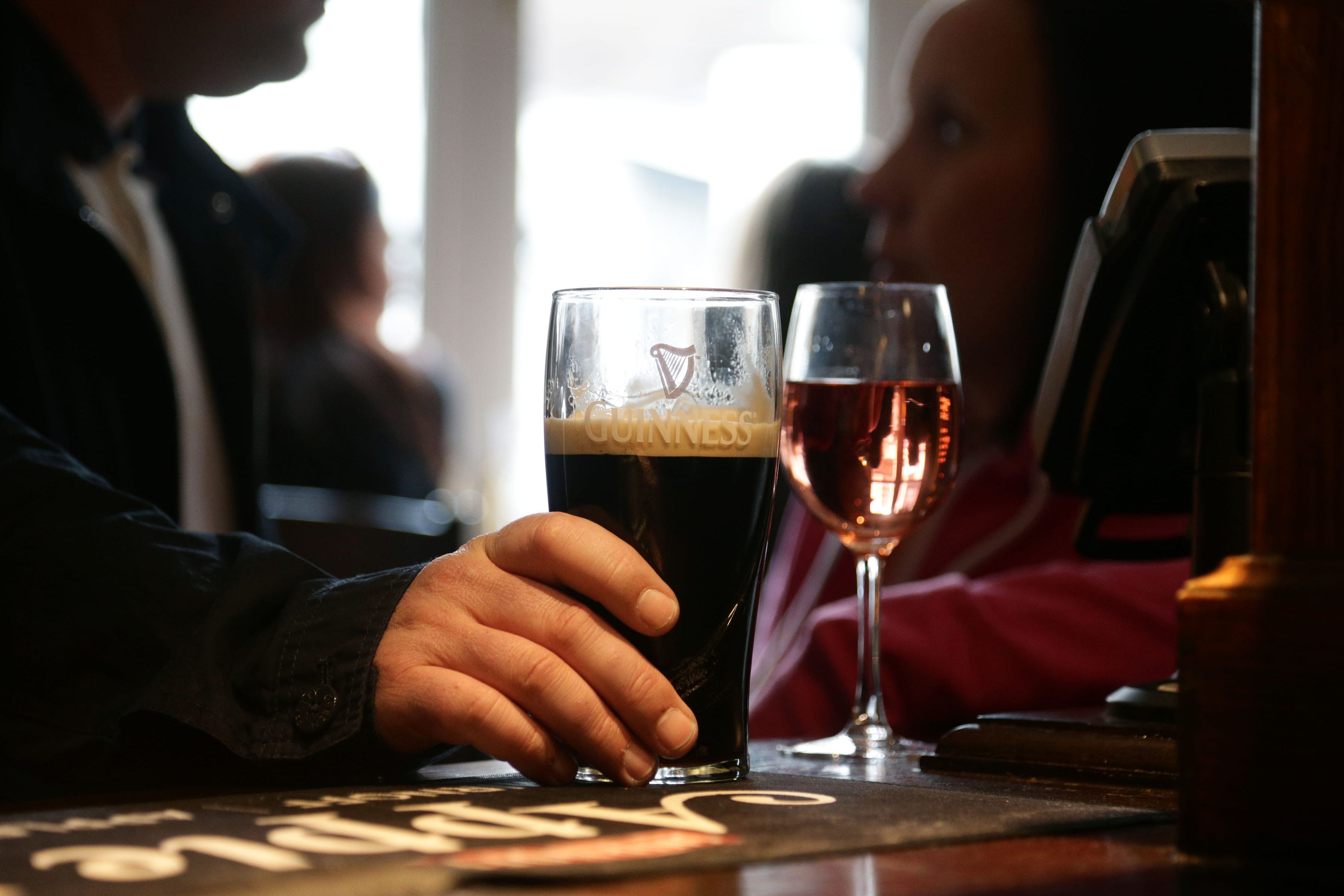
The Wine and Spirits Trade Association (WSTA) said duty on a bottle of 14.5% red wine had increased by £1.10 per bottle since the last alcohol duty regime was introduced in August 2023.
The UK Spirits Alliance, which represents hundreds of distilleries across the UK, has written to the Chancellor urging him to use an upcoming duty review to stimulate growth, end “alcohol discrimination” and introduce a long-term approach.
Alcohol taxes are partly linked to the strength of drinks; Beer below 3.5% ABV pays a significantly lower tax level following the tax overhaul in 2023.
A number of beer brands, such as Foster’s, have reduced their strength to 3.4% in recent months in a bid to reduce duty costs.
The tax on beer will increase on drinks sold in both pubs and supermarkets, making pubs affected for the first time since 2017.
Emma McClarkin, chief executive of the British Beer and Pub Association, said: “These changes unfortunately raise the prospect of further price rises, which no brewer or publican will want to harm their customers.
“For brewers, who already pay some of the highest beer duty rates in Europe, this increase will further strain already very low profit margins and put at risk one of the UK’s world-famous industries producing some of the best beers in the world.”
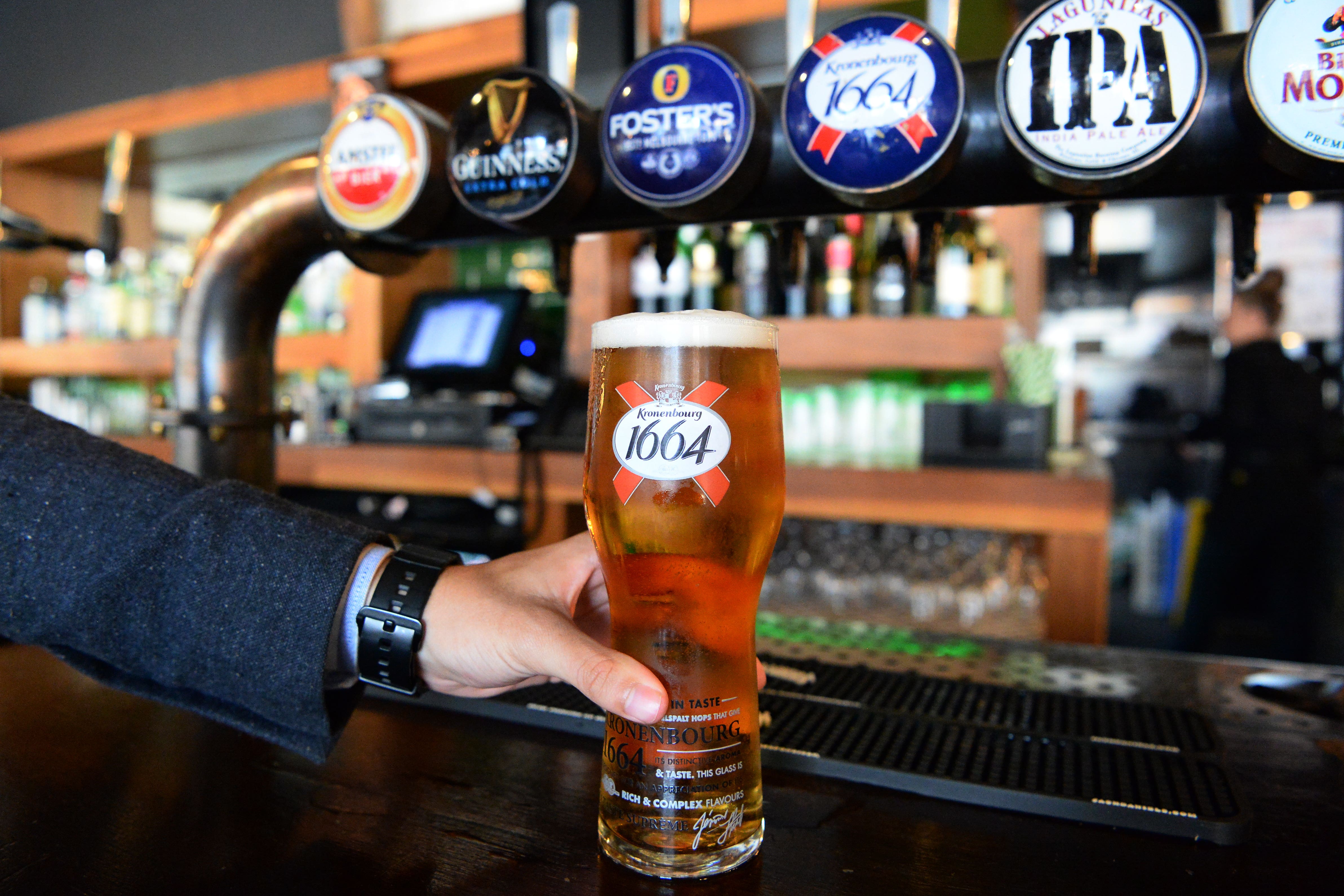
WSTA chief executive Miles Beale said: “Despite the OBR (Office for Budget Responsibility) finally acknowledging that high prices are leading to falling incomes, the Government fails to recognize that its own policy benefits no one.
“The complexity of price changes for the country’s wine and spirits industry means more bureaucracy headaches ahead, especially for wine, which is now taxed based on strength.
“Add to this all the other costs, including NI (national insurance) contributions, business rates and waste packaging duties, and businesses have no choice but to increase prices to stay afloat, which sadly means consumers will take the hit once again.”
Braden Saunders, spokesperson for the UK Spirits Alliance and co-founder of Doghouse Distillery in Battersea, said: “The timing could not be more ironic.
“As dry January draws to a close and people contemplate their first hard-earned drink, they are faced with steep prices at the bar.
“The drinks industry has been treated as a cash cow by successive governments and the industry is on its knees.”
Allen Simpson, managing director of UKHospitality, said: “Hospitality businesses face price pressure at every turn and our industry’s cost burden is increasing at an unsustainable rate.
“Increases in alcohol taxes, which are not paid directly by businesses, will create another pressure if they are passed on to businesses through higher drink prices.
“Aware of the economic pressure the industry is under, we strongly urge suppliers to exercise restraint in doing so.”
A Treasury spokesman said: “The economy has not been working for people in work for too long and cost of living pressures remain.
“That’s why we’re committed to helping lower costs for everyone.
“That’s why we’re cutting £150 off energy bills, increasing the National Living Wage, ending the two-child limit, offering free breakfast clubs for all primary school children and freezing fuel duty, rail charges and prescription charges.
“We need to rebuild the public services we all rely on.
“We have allocated record funding to our schools and the NHS to give every child the best start in life and reduce waiting lists.
“Alcohol duty plays an important role in ensuring public finances remain fair and strong and in funding the public services people rely on every day.”


