Data reveals key to fixing housing affordability crisis

Since the start of the pandemic, a growing trend has been reshaping Australia’s housing landscape.
Mid-tier capitals Perth, Brisbane and, to a lesser extent, Adelaide, traditionally cheaper than Sydney and Melbourne, have eroded their housing affordability advantage as housebuilding rates lag population growth.
The latest analysis published Friday by real estate data company Cotality confirmed the link between supply and affordability as state and federal governments try to find a way out of the housing crisis.
Of Australia’s five big housing markets, Victoria has built new homes faster than other states since the outbreak of COVID-19, resulting in prices rising at a much slower rate than the national average.
Nearly one in three new homes completed in Australia between the beginning of 2020 and September 2025 were built in Victoria, even though the state accounted for less than a quarter of Australia’s population growth over the same period.
During the same period, prices increased by 16 percent compared to 55 percent growth nationwide.
“Policy support at both state and federal levels helped grow Victorian housing during this period,” said Gerard Burg, head of research at Cotality.
Property values in Perth have increased by an eye-watering 92 per cent; this was the biggest jump among major capitals.
Simultaneously, Western Australia completed the lowest share of new housing (9 per cent) relative to population growth (17 per cent).
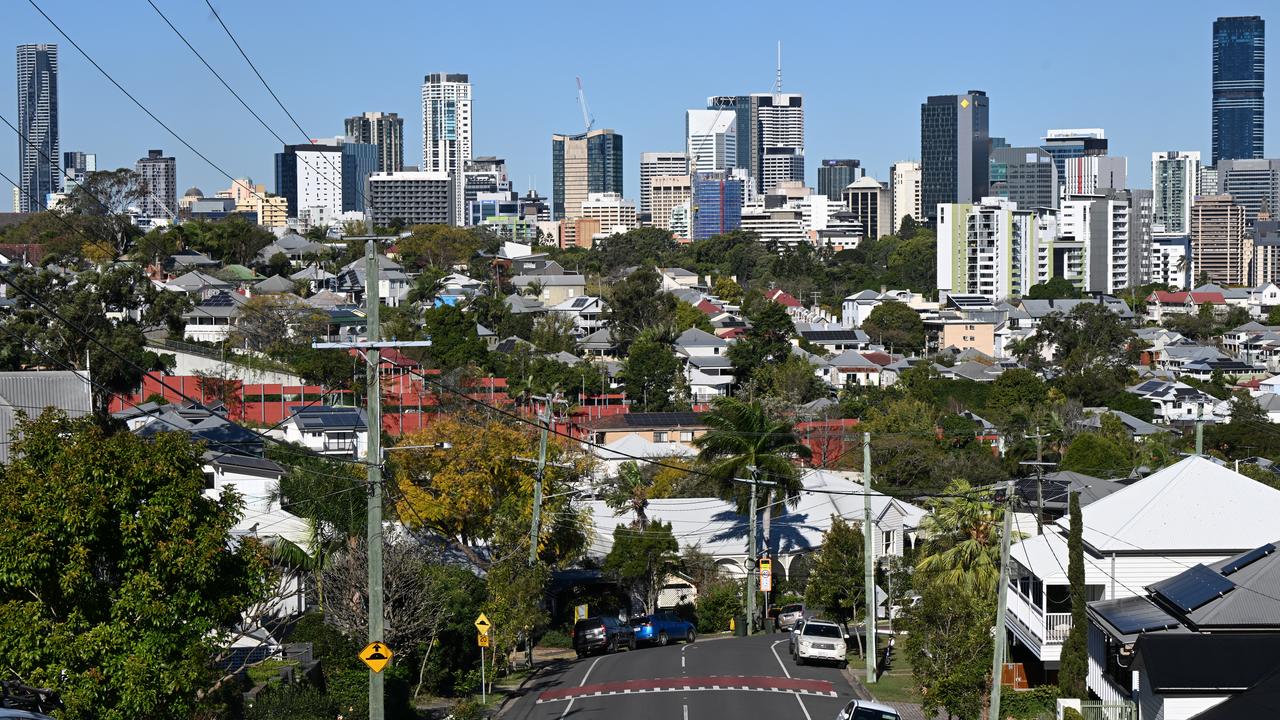
Queensland accounted for more than a quarter of Australia’s population growth but less than a fifth of new housing supply.
Brisbane’s median house value has increased by 91 per cent.
“Generally, when we see a supply-demand imbalance like in Perth or Brisbane, we end up with a large pool of buyers competing for a small pool of housing,” Mr Burg said.
“This creates a seller’s market and can skyrocket home values, as we’ve seen in these two capital cities.”
The relationship between supply and pricing is also evident in housing markets in the US and New Zealand, said Peter Tulip, chief economist at the Center for Independent Studies.
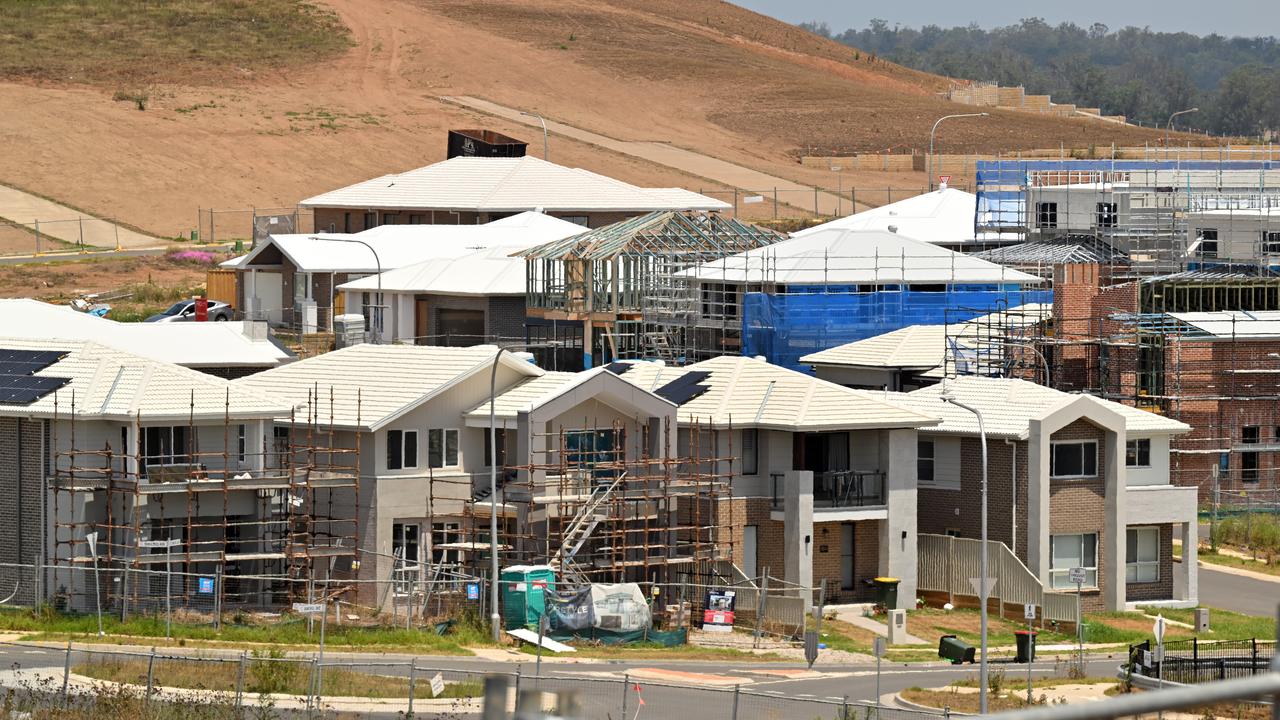
Researchers estimated that by relaxing zoning regulations and greatly increasing the amount of medium density allowed to be built in Auckland, the housing stock increased by four per cent and rents fell by 28 per cent compared to other similar cities in New Zealand.
“This has very important policy implications, namely that if we increase the supply of housing, housing will become more affordable,” Dr Tulip told AAP.
Dr Tulip said the NSW and Victorian governments had led the way in liberalizing development rules to increase supply, but it would still be months before reforms introduced one to two years ago began to bear fruit.

The Australian Associated Press is the beating heart of Australian news. AAP is Australia’s only independent national news channel and has been providing accurate, reliable and fast-paced news content to the media industry, government and corporate sector for 85 years. We inform Australia.


