Double whammy: food prices warning over war fuel shock

Australians face further cost-of-living challenges as farmers struggle to cope with war-induced fuel supply and price struggles.
Service stations in Western Australia’s regional towns of Kulin and Corrigin have imposed temporary restrictions on fuel due to uncertain deliveries and panic buying.
Due to the escalating war in the Middle East, shipping in the Strait of Hormuz, one of the world’s most important oil corridors, was interrupted.
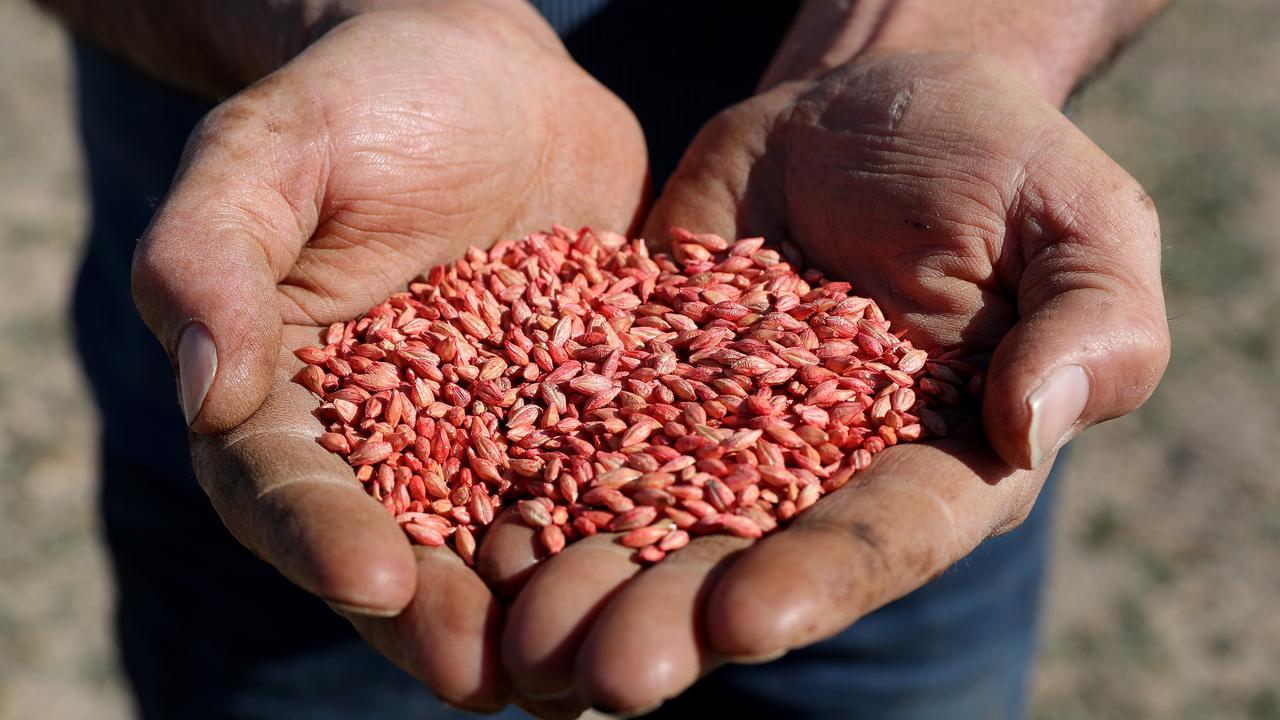
Hamish McIntyre, president of the National Farmers Federation, said the situation was creating headaches for farmers who were on the verge of harvesting summer crops and planting for winter.
“How conflict in the Middle East is helping Australian farmers “They are at the mercy of geopolitical tensions due to their over-reliance on imported inputs and export markets,” he said.
“Livestock exports have been disrupted and we expect farmers will soon face higher fuel and fertilizer prices.
“Without fuel and fertilizer, farmers cannot provide food and fiber to consumers.”
If fuel and fertilizer restrictions continue, Mr McIntyre warned that the costs of perishable goods such as dairy products, fruit and vegetables could rise by 40 to 50 per cent.
“This double effect – the cost of delivery plus the cost to farmers will lead to a greater cost for consumers in our supermarkets,” he said.
MGA Independent Businesses Australia managing director Martin Stirling said global supply chain challenges were not yet directly transmitted to independent supermarkets and grocers.
But Mr Stirling acknowledged that small retailers would have no choice but to accept good cost markups on shipping or wholesale.
“Passing on price increases is a last resort,” Mr Stirling told AAP.
“They are doing the best they can, but they are under incredible cost pressures at the moment.”
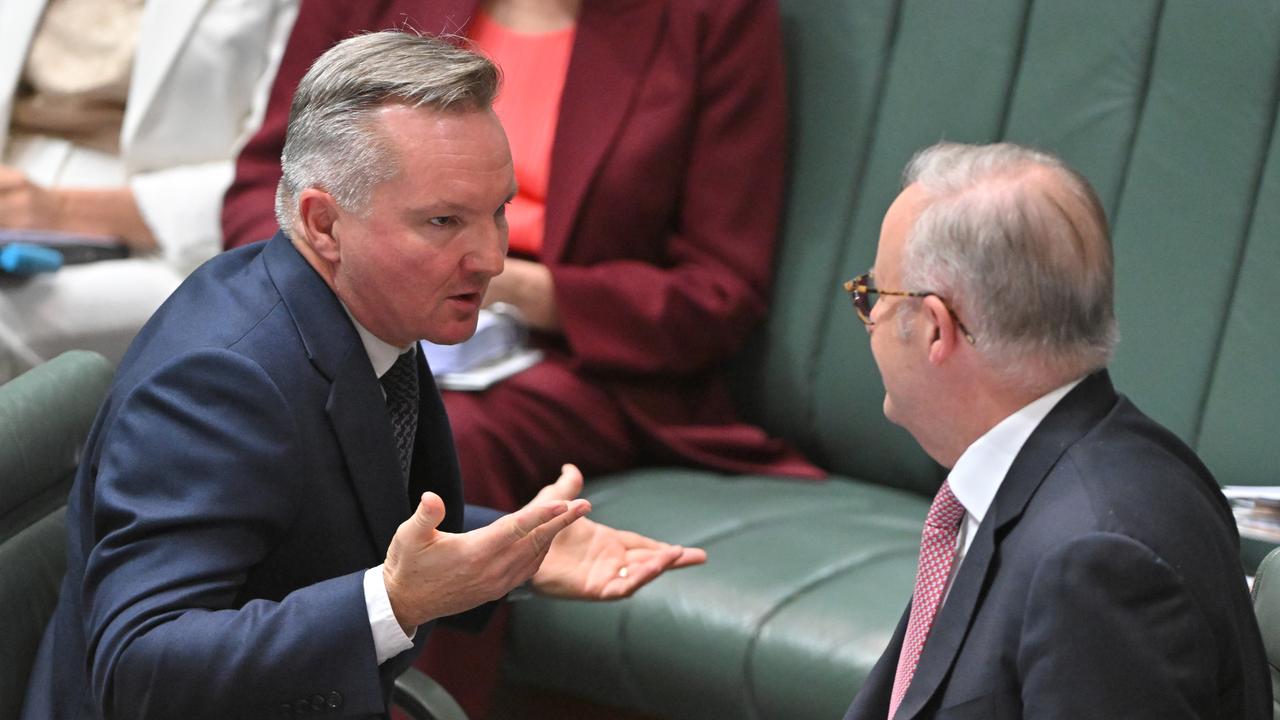
Energy Minister Chris Bowen, Agriculture Minister Julie Collins and Industry Minister Tim Ayres are scheduled to meet with officials from the National Farmers Federation, oil companies and the trucking industry on Tuesday.
Mr Bowen confirmed Australia had 32 days’ worth of diesel available as of Tuesday morning.
He acknowledged there had been a “massive spike” in demand, particularly in regional areas, but insisted domestic fuel stocks were as high when the crisis began.
“We have enough diesel in Australia for our needs for the foreseeable future and there is absolutely no need to panic,” Mr Bowen told reporters.
Australia imports most of its liquid fuel, including gasoline, diesel and aviation fuel, from refineries in Singapore, South Korea and Japan.
Mr Bowen said refiners were meeting their contractual obligations but were unable to facilitate extra orders due to demand-side pressure.
He said that the government will not hesitate to exercise this right. minimum stock obligation If conflict in the Middle East threatens domestic fuel security.
Opposition energy spokesman Dan Tehan said Australia’s economy was reliant on diesel and accused Mr Bowen of being “in a bad place”.
“If he’s right… then what is he doing to make sure that it’s evenly distributed across the country so that certain areas, certain industries, key industries don’t suffer losses?” he said.
Graeme Samuel, president of Australian and New Zealand airlines, said rising global oil and refinery costs could be reflected in air ticket prices.
However, he emphasized that carriers were partially insulated through jet fuel contracts and that there were no problems with supply.
“There is no imminent shortage of jet fuel,” the former Australian Competition and Consumer Commission chief said.
Average unleaded petrol prices have surpassed $2 a liter in every capital city except Perth, with the consumer watchdog warning retailers not to offer false or misleading reasons for price rises.
Consumer confidence has fallen to its weakest level since July 2023, according to the weekly ANZ-Roy Morgan survey.
ANZ economist Madeline Dunk attributed the result to increasing geopolitical uncertainty and crude oil prices increasing inflation expectations.

Australia’s Associated Press is the beating heart of Australian news. AAP is Australia’s only independent national news channel and has been providing accurate, reliable and fast-paced news content to the media industry, government and corporate sector for 85 years. We inform Australia.


