DWP news: Universal Credit benefit claimants set for 2026 income boost worth up to £450

Millions of benefit claimants will see their income rise above inflation next year as the September inflation rate shows how much Universal Credit will rise.
All eight million Universal Credit recipients will see the standard rate increase by 6.2 per cent following legislation introduced by the government in July. For a single person over the age of 25, this will mean an increase of £6 a week, rising from £92 to £98.
For couples where one or both partners are over 25, this will rise by £9 a week from £145 to £154. The new payment rates will come into effect in April 2026.
As part of welfare reforms in July, the government announced that the standard rate on Universal Credit will receive an above-inflation increase every year until 2029.
How much will Universal Credit increase in April 2026?
The standard UC rate is expected to rise by 6.2 per cent for all claimants next year – here’s what this means for claimants:
- Single, under 25s: £316.98 to £336.63 (+£19.65) per person
- Single, over 25s: £400.14 to £424.95 (+£24.81)
- Partners both under 25: £497.55/cm to £528.40 (+£30.85)
- One or both partners over 25: £628.10/cm to £667.04 (+£38.94)
The rate is calculated by adding the headline inflation (CPI) for the previous September to the fixed percentage set at 2.3 percent for the next year. The announcement last month that the CPI was kept constant at 3.8 percent means that the final increase should be around 6.2 percent.
Most other aid only needs to be increased by the September inflation rate (3.8 percent).
While this is a welcome boost for millions of Universal Credit recipients, the Resolution Foundation said the inflation figure, which beat expectations, came at the “wrong time”.
Lalitha Try, Economist at the Resolution Foundation, said: “Price rises held steady at 3.8 per cent last month – a welcome negative surprise in terms of inflation – but this unfortunately came at the wrong time for millions of families receiving benefits.
“September’s inflation rate will be used to calculate the benefit increase in April next year, meaning a single adult aged 25 and over receiving Universal Credit will see an increase in their standard benefit of around £6 per week, which is less than would be achieved if inflation was four per cent as forecast.”
The large increase in the standard level of Universal Credit will also be offset by a significant cut in the rate at which the health-related element of the benefit is paid.
The surcharge for existing beneficiaries of this element will be frozen at £97 per week until 2029/30. For new beneficiaries, this fee will be almost halved to £50 a week. These claimants will still receive the increased standard allowance.
James Taylor, strategy director at disability equality charity Scope, said: “The government must increase benefits in line with inflation. Disabled people do not want to see their values eroded even further.”
“Life is more expensive if you’re disabled – on average an extra £1,095 a month. At a time when energy prices and the cost of living are so high, cuts to the health component will create an unfair two-tier system where some disabled people receive more support than others.”
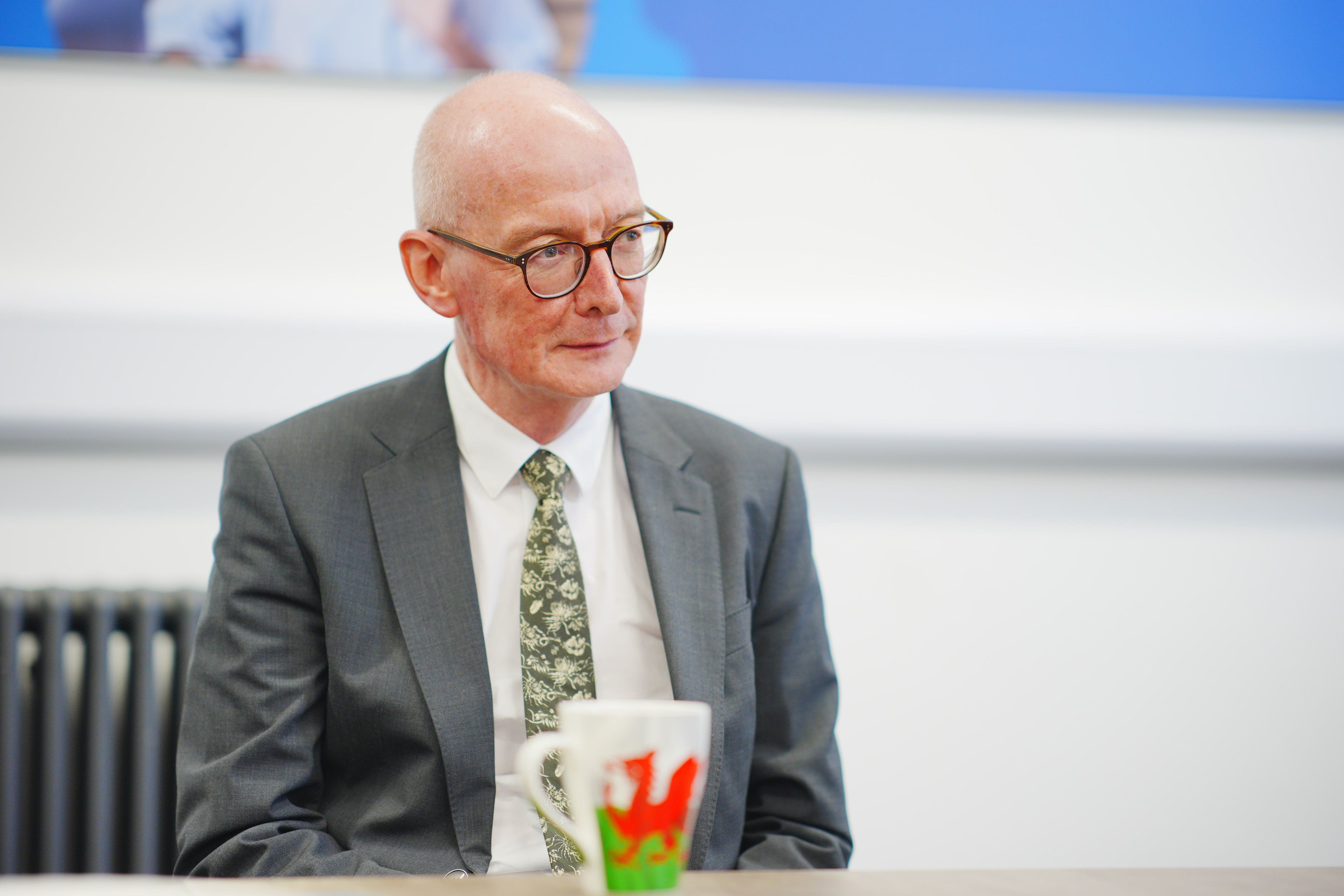
The changes come as part of watered-down welfare reforms introduced by the Labor government in July following a damaging U-turn on proposals to tighten eligibility for Personal Independence Payment (PIP).
Commenting on the September inflation figure, Chris Belfield, chief economist at the Joseph Rowntree Foundation (JRF), said: “The majority of people on Universal Credit are unable to afford basic needs such as food, heating and basic toiletries. This will remain the case despite an increase of around 6.2 per cent in the standard allowance on Universal Credit, which still costs a single adult just £98 a week.” remains.
“It is not enough to fine-tune the system every year if the outcome is still far from what people can expect if they need support in difficult times. The standard allowance, the base rate people on Universal Credit receive, should enable people to meet the basic needs of life. But it has never reflected how much these basic needs actually cost.
“We need an independent process to recommend a standard allowance that reflects what people need to get by. This will significantly strengthen our benefits system’s ability to protect people from hardship when they need it most.”


