E-bike injury claims pushing up car insurance costs for motorists

E-bike injury claims are driving up drivers’ premiums as the cost of damages paid to injured people exceeds £100 million, a not-for-profit organization has warned.
The number of claims submitted to the Motor Insurers Bureau (MIB), the organization that pays compensation to victims of uninsured and hit-and-run collisions, has increased since 2019, with the number of claims increasing by 73 per cent between 2023 and 2025.
Claims relating to e-scooters and e-bikes accounted for £108 million of the total costs incurred from 2015 to May 2026. When claims relating to e-unicycles and mobility scooters are included, the total rises to almost £111 million.
The MIB reported that while it was receiving compensation claims for traumatic brain injuries, complex fractures requiring surgery and rehabilitation, as well as soft tissue injuries such as ligament damage, the severity of these injuries was also worsening.
The organization warned that these injuries could also impact victims’ families, livelihoods and mental health.
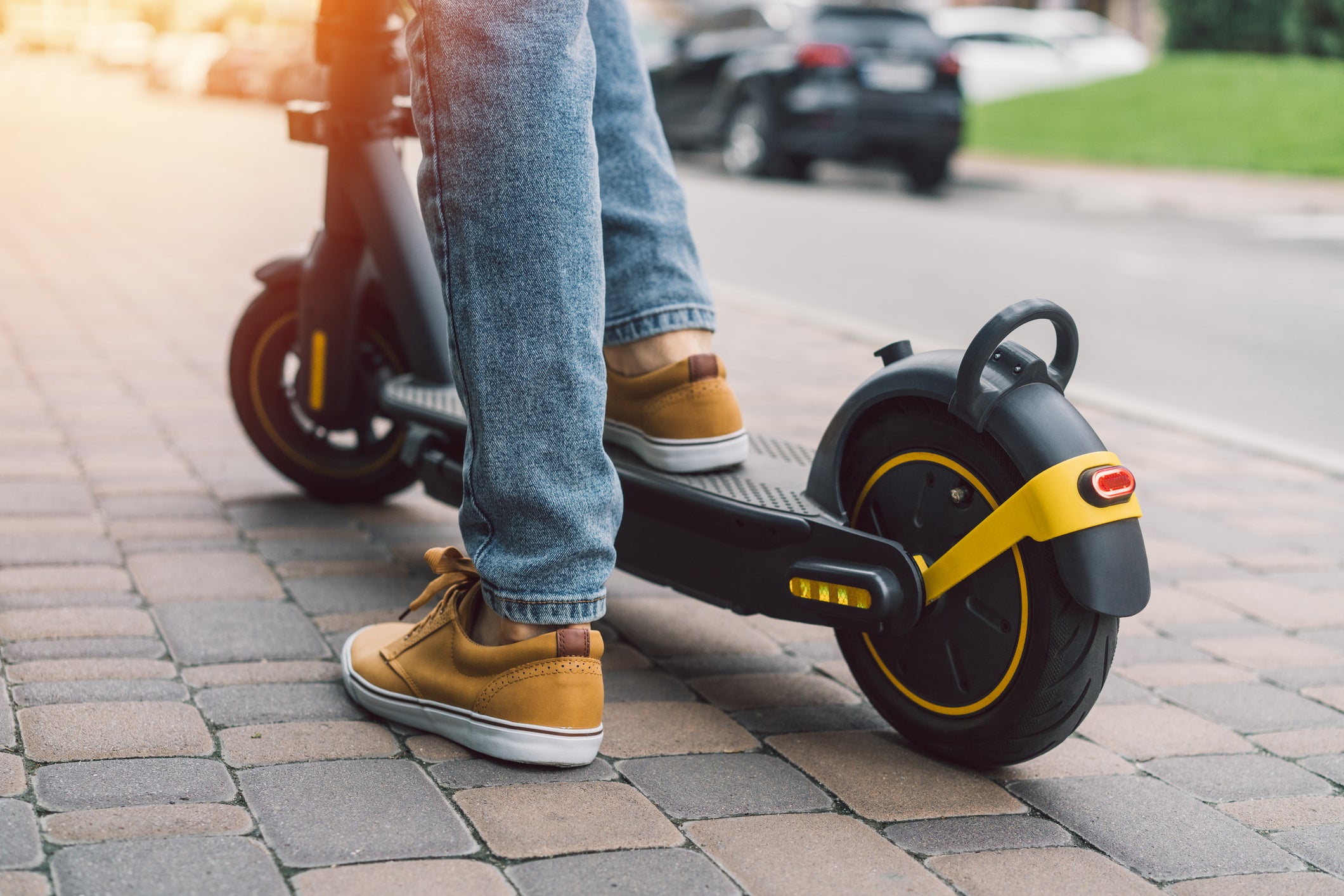
The MIB has warned that the cost of compensating micromobility victims is a cost to the general motoring public; because this is funded by a levy on all motor insurers in the UK, the cost of which is passed on to premium payers.
The non-profit organization called for more education and awareness of the legislation after a recent survey by YouGov showed more than half of adults in the UK were unaware that privately owned e-scooters are illegal on public roads.
MIB CEO Angus Eaton said: “We’re seeing a worrying gap between how often people use micromobility vehicles and how well they understand the laws around them. Many people don’t realize it’s illegal to ride a privately owned e-scooter on public roads, meaning they’re riding without insurance.”
“The consequences of a crash can be severe, including serious injuries such as brain trauma and complex fractures that can leave a lasting impact on people’s lives,” he added. “That’s why raising awareness is so important. When people understand the rules and risks, they’re in a much better position to make safe, informed choices.”
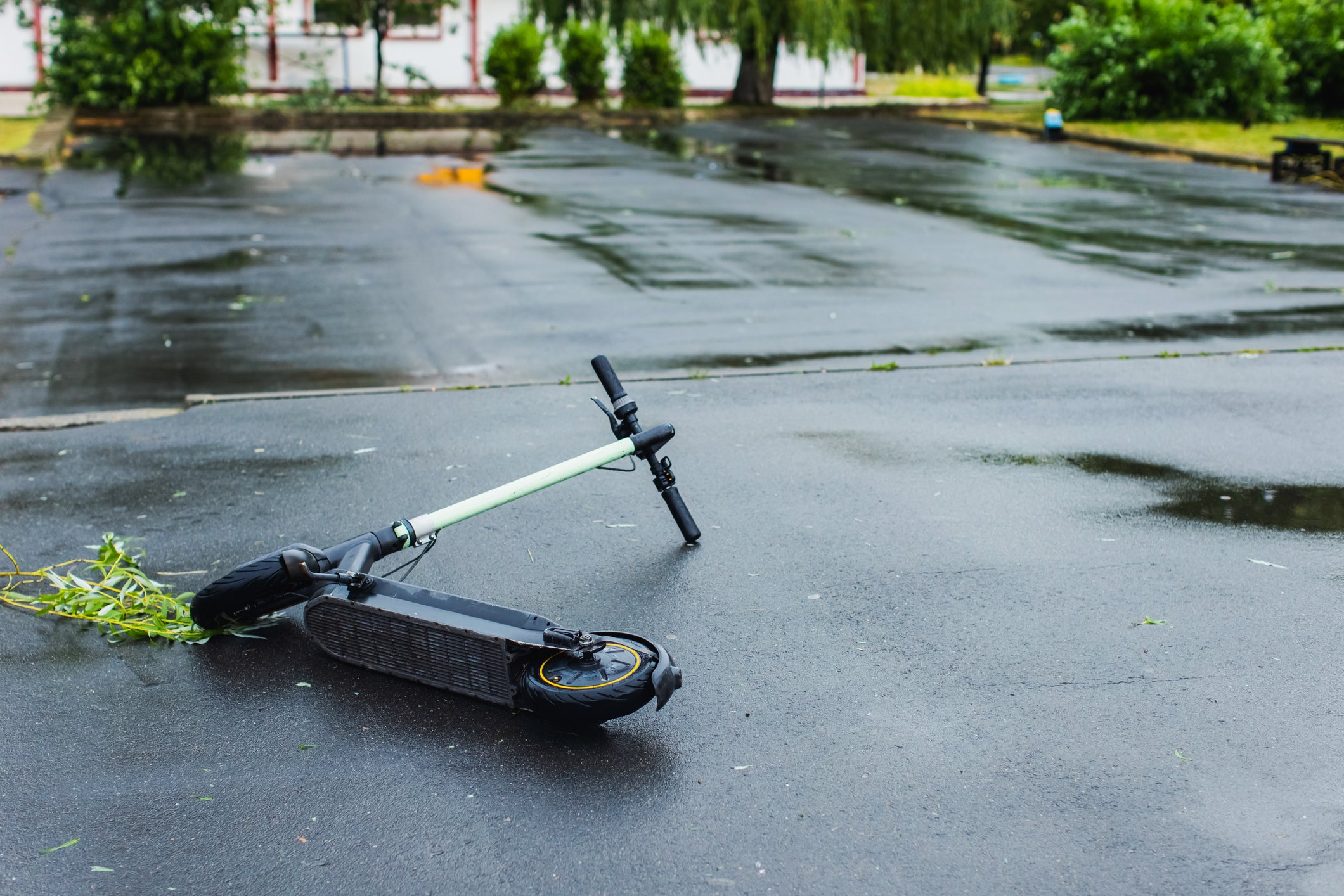
Under current UK law, e-scooters are classed as motor vehicles; This means they require both a driver’s license and insurance. As there are currently no insurance products for private e-scooters, anyone using one in public is automatically driving without insurance.
Government-approved rental e-scooters that are insured as part of official trials are legal for public use, but private e-scooters can only be legally used on private land.
Electric bikes, meanwhile, are legal if they meet Electric Assisted Pedal Cycle (EAPC) regulations, including a maximum motor power output of 250W and assist cut off at 25.5 mph. Vehicles exceeding these limits may be classified as motor vehicles and subject to the same legal requirements.
Using an e-scooter illegally carries the same penalties as driving without insurance, including impounding the vehicle, an unlimited fine upon appearance in court, six penalty points on your licence, a potential driving ban and higher insurance premiums in the future.
Where the driver does not yet have a licence, the DVLA may create a “ghost licence”, meaning penalty points will still apply at a later date. If a collision results in injury, drivers may also be personally liable for compensation costs, which can be significant and long-lasting.


